

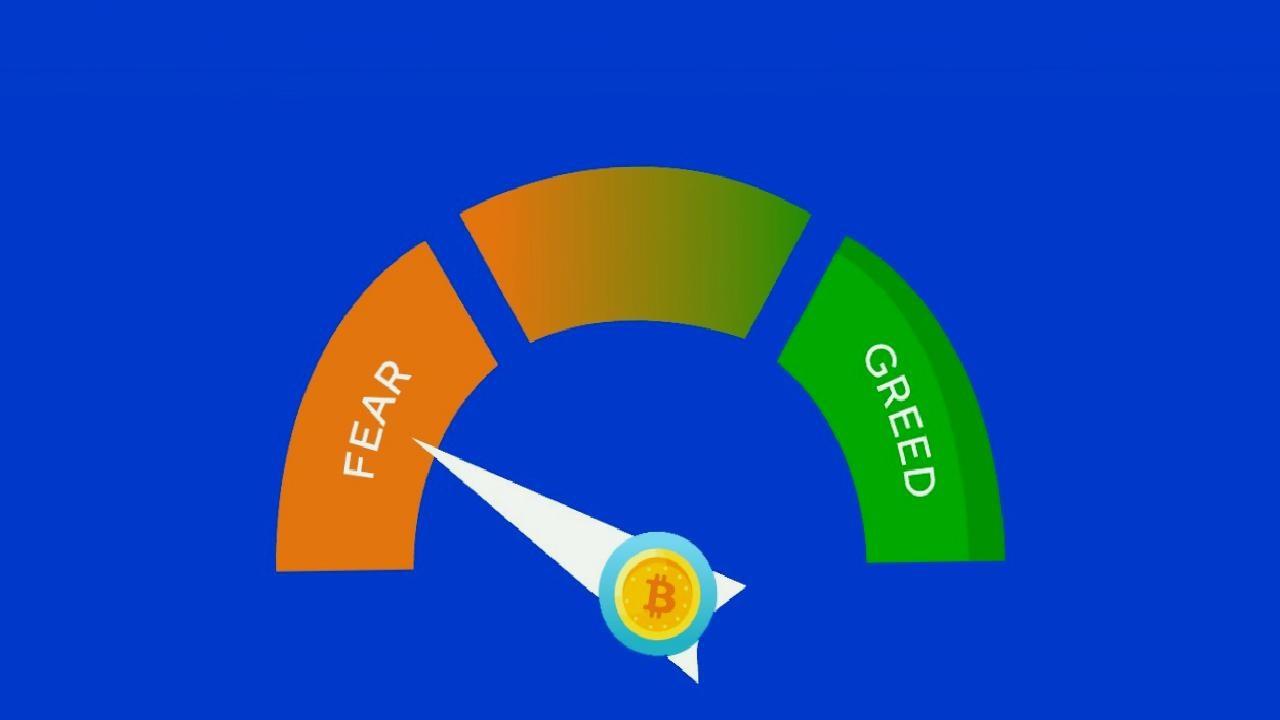
The Bitcoin Fear & Greed Index has risen to 73, placing the cryptocurrency market firmly in “Greed” territory, according to the data.
The widely followed gauge, which measures overall investor sentiment, has climbed in recent sessions as prices stabilize and optimism returns to the market.
Bitcoin currently trades near $85,700–$86,000. While this represents a recovery of roughly 45 percent from the summer 2026 lows around $58,000–$60,000, the price remains approximately 32 percent below its all-time high of about $126,000 set exactly one year earlier on October 6, 2025.
Register for the next Tekedia Mini-MBA.
Register for Tekedia AI in Business Masterclass.
Join Tekedia Capital Syndicate and co-invest in great global startups.
The index’s move into the greed zone therefore captures a noticeable shift in mood even as Bitcoin continues to trade well below its previous peak.
The Fear & Greed Index is a composite indicator that draws on several market factors, including volatility, trading volume and momentum, social media activity, Bitcoin’s market dominance, and search trends.
Readings above 50 signal growing optimism, with the 55–74 range typically classified as greed and levels of 75 and higher considered extreme greed. At 73, the current reading reflects strengthening confidence among participants without yet reaching the most euphoric extremes seen in past bull cycles.

Bitcoin’s move into the Greed sentiment, comes as Crypto analyst Michael Van De Poppe on X, agrees with a long-term Bitcoin chart showing a successful retest of the former $60K-$70K resistance zone now acting as support.
The chart depicts Bitcoin’s price climbing above $100K in 2025, pulling back sharply, then bouncing from $58.5K support to around $83.6K. This technical pattern of resistance flipping to support is interpreted as strongly bullish, indicating potential for continued upward momentum in Bitcoin.
Notably, one of the key observations from analysts is that $85,000 has become an important psychological and technical level. Holding above it could strengthen the bullish case, while losing the level could signal that the recent rally is losing momentum.

Avinash Shekhar of Pi42 said Bitcoin’s broader momentum remains constructive but highlighted the importance of maintaining the $85,000 area. Attention is now turning toward the $87,000–$88,000 region.
Analysts identify this area as significant resistance, with a decisive breakout potentially opening the door toward $90,000. Nischal Shetty of WazirX described the $84,000–$85,000 region as immediate support, while placing resistance around $87,000–$88,000.
There is also growing optimism around the macroeconomic environment. Weaker U.S. employment data has reduced expectations of another Federal Reserve rate hike in October, providing some relief for risk assets such as Bitcoin.
Lower expectations for tighter monetary policy can encourage investors to move toward assets considered more sensitive to liquidity and risk appetite.
However, some investors remain cautious. Rising U.S. Treasury yields and a stronger dollar are creating headwinds for Bitcoin, while ETF flows have become less consistent following the strong inflows seen toward the end of September.
Historically, elevated greed readings have sometimes preceded short-term pullbacks as markets become overheated, though strong trends can sustain elevated sentiment for extended periods.
Conversely, deep fear readings have often coincided with longer-term buying opportunities. Traders and investors frequently monitor the index as a contrarian tool: extreme fear can signal potential bottoms, while high greed levels may warrant greater caution.
The latest reading arrives amid a broader recovery in risk assets and follows a period of relatively contained volatility compared with earlier in the year.
With Bitcoin dominance remaining elevated and institutional interest continuing to underpin the market, the shift toward greed suggests that many participants now view the recent price action more favorably than they did during the summer trough.