

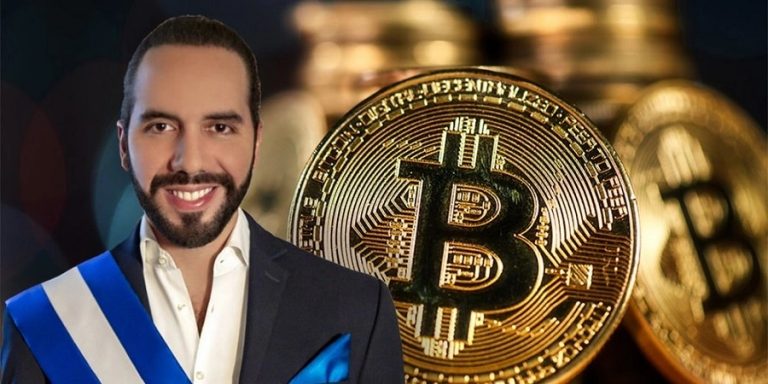
El Salvador’s experiment with Bitcoin as a mainstream payment method is facing another test as everyday cryptocurrency spending appears to be fading, even in the country’s iconic Bitcoin Beach community.
Recent reports from El Zonte, the coastal town that became synonymous with Bitcoin adoption, suggest that customers are increasingly choosing traditional payment methods such as cards and U.S. dollars instead of Bitcoin.
The latest anecdotal evidence came from Bitcoin Core contributor Jon Atack, who reported that a restaurant in El Zonte received its first Bitcoin payment of the month when he used BTC to pay for lunch. Staff reportedly told him that most customers now pay by card.
Register for the next Tekedia Mini-MBA.
Register for Tekedia AI in Business Masterclass.
Join Tekedia Capital Syndicate and co-invest in great global startups.
In another indication of declining familiarity, a worker reportedly declined a tip in satoshis because she had forgotten how to operate the Bitcoin payment application. While the experience is only one merchant’s observation and cannot establish nationwide payment activity.
Its symbolism is significant because El Zonte was one of the earliest communities to demonstrate Bitcoin’s potential as a circular economy.
The development highlights the difference between owning Bitcoin and spending it. Bitcoin is increasingly viewed by many investors as a scarce digital asset and long-term store of value.
That investment narrative can create a powerful disincentive to spend the asset on everyday goods. If consumers expect Bitcoin to appreciate, using it to purchase lunch, groceries or other necessities can feel less attractive than paying with fiat while preserving BTC for potential future gains.

Fiat offers practical advantages. Cards and cash are familiar, widely accepted and relatively straightforward for merchants and consumers. Bitcoin payments can require additional applications, wallet familiarity and transaction processes that consumers may not consider worthwhile when conventional payment systems already meet their needs.
El Salvador’s regulatory shift has further changed the environment. The country introduced Bitcoin as legal tender in 2021, but reforms subsequently made private-sector acceptance voluntary.
The U.S. government’s trade guide for El Salvador says Bitcoin acceptance is now entirely voluntary for companies, while government entities cannot receive or make Bitcoin payments.

The same source notes that fewer than 8% of Salvadorans reported using Bitcoin for transactions in a 2024 survey, with most businesses and citizens continuing to prefer the U.S. dollar.
The International Monetary Fund has also documented the distinction between Bitcoin activity and genuine transactional adoption. Its analysis found that much of Chivo’s activity involved dollar-Bitcoin conversions rather than purchases.
While Bitcoin sales represented only a marginal share of transactions. The IMF concluded that consumers were more inclined to buy, hold or sell Bitcoin as a speculative asset than use it as a medium of exchange.
This distinction may define El Salvador’s Bitcoin experiment. The country has demonstrated that a government can accelerate cryptocurrency adoption through legislation, infrastructure and incentives.
However, turning Bitcoin into a preferred everyday currency is considerably harder because consumer behavior depends on convenience, price stability, familiarity and perceived value.
The decline in Bitcoin payments therefore does not necessarily mean that Bitcoin has disappeared from El Salvador. The cryptocurrency remains an important part of the country’s financial and political identity.
But the latest developments suggest that everyday commerce is moving in a different direction. For consumers, the question is increasingly not whether Bitcoin can be used to pay, but whether there is a compelling reason to use it when fiat already works.
El Salvador’s experience offers a broader lesson for the global crypto industry: technological availability does not automatically create consumer adoption. For Bitcoin to become a dominant payment currency, users must have a practical reason to spend it—not merely an opportunity to do so.