

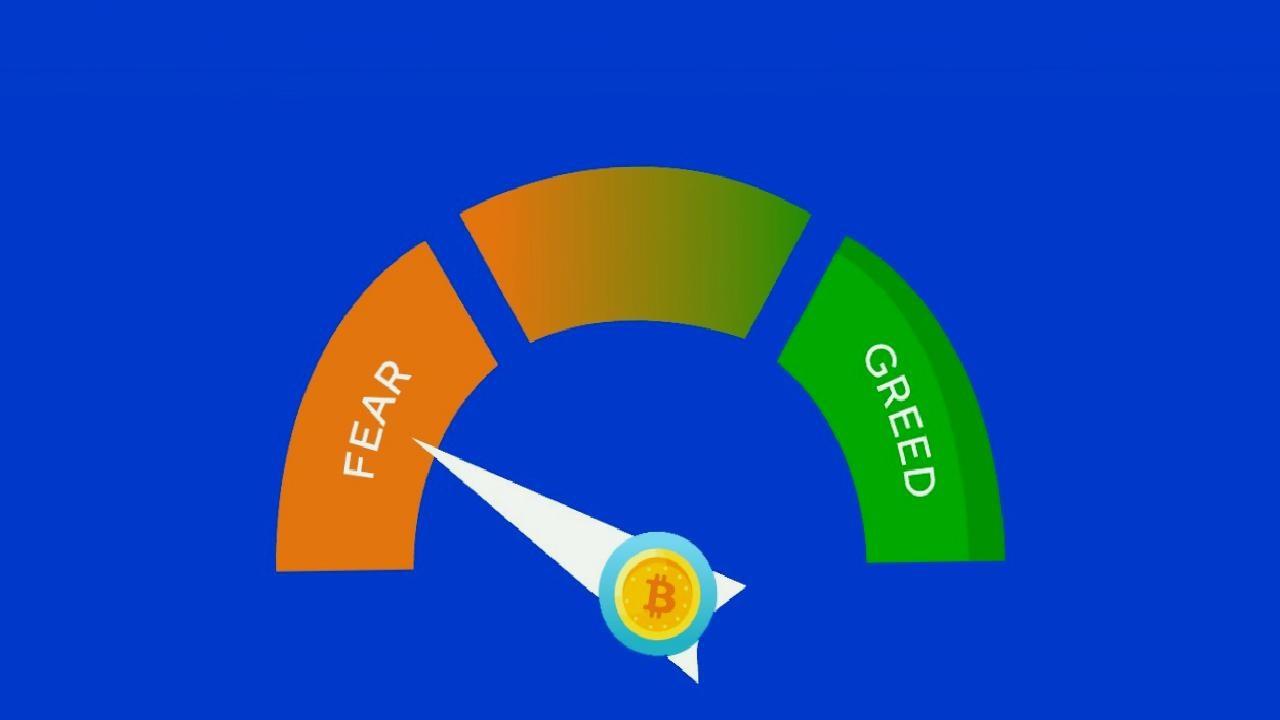
Bitcoin investor sentiment has remained deeply pessimistic, with data from the Bitcoin Fear & Greed Index showing that the market has been locked in the extreme fear zone for 13 consecutive days.
This prolonged stretch of fear highlights the intensity of FUD currently weighing on the crypto market.
As Bitcoin (BTC) struggles to reclaim the $90,000 level, concerns are growing that the asset may be entering a fresh bear-market phase. Market analyst Ali Martinez has added to this narrative by pointing to historical Bitcoin cycles that appear to follow a consistent time-based pattern.
Register for Tekedia Mini-MBA edition 20 (June 8 – Sept 5, 2026).
Register for Tekedia AI in Business Masterclass.
Join Tekedia Capital Syndicate and co-invest in great global startups.
Register for Tekedia AI Lab.
According to Martinez, Bitcoin typically takes about 1,064 days to move from a market bottom to a market peak, followed by roughly 364 days of decline from the peak back to the next bottom.
Historical data supports this observation. In the first cycle, Bitcoin bottomed in January 2015 and peaked in December 2017 exactly 1,064 days later before entering a 364-day bear market that ended in December 2018.
The second cycle followed a similar trajectory, with a bottom in December 2018 and a peak in November 2021, again after 1,064 days. That peak was followed by a downturn that bottomed in November 2022, when Bitcoin traded near $15,500.

Martinez now suggests that Bitcoin is in its third major cycle. The asset bottomed in November 2022 and reportedly reached a cycle peak above $126,000 in October. Based on prior patterns, Bitcoin may now be within the 364-day correction phase, implying a potential market bottom around October 2026.
Looking at the magnitude of previous bear markets provides further insight. Bitcoin fell roughly 84% during the 2017–2018 cycle and about 77% during the 2021–2022 downturn. Averaging these declines points to an estimated 80% retracement, which would place a possible next bottom near $37,500. At present, Bitcoin is trading around $88,290, roughly 30% below its recent peak.
Meanwhile, market analyst Maartunn has observed that Bitcoin’s correlation with traditional assets such as tech stocks and gold has weakened significantly. Unlike previous cycles, Bitcoin is no longer moving in tandem with the Nasdaq or tracking gold’s safe-haven rallies.

Instead, its price action appears increasingly driven by internal crypto-specific factors, including ETF flows, miner behavior, on-chain supply dynamics, liquidity conditions, and distribution trends.
This divergence is especially notable as gold continues to surge, recently reaching a historic high of $4,525, reinforcing its role as a safe-haven asset amid global uncertainty, while Bitcoin struggles to regain bullish momentum.
Longtime Bitcoin advocates continue to frame the asset as a hedge against inflation and a store of value. Robert Kiyosaki, author of Rich Dad Poor Dad, has historically encouraged investors to hold Bitcoin alongside gold and silver. However, recent reports suggest Kiyosaki has been unusually quiet on Bitcoin, raising questions about whether his silence reflects waning confidence or a strategic pause.
Previously, Kiyosaki warned of a major crash in November 2025, advising investors to hold scarce assets such as Bitcoin and gold as global debt pressures force liquidity crises and central banks resort to money printing.
On the other side of the debate, gold proponent Peter Schiff maintains that Bitcoin remains closely tied to risk assets like equities. He argues that Bitcoin rallies less during market upswings and declines more sharply during downturns, rejecting the narrative that it functions as “digital gold.”
Outlook
With investor sentiment entrenched in extreme fear and historical cycle analysis pointing to a prolonged correction window, Bitcoin’s near-term outlook remains fragile.
While weakening correlations with traditional assets suggest growing independence, the absence of strong bullish catalysts keeps downside risks in focus.