

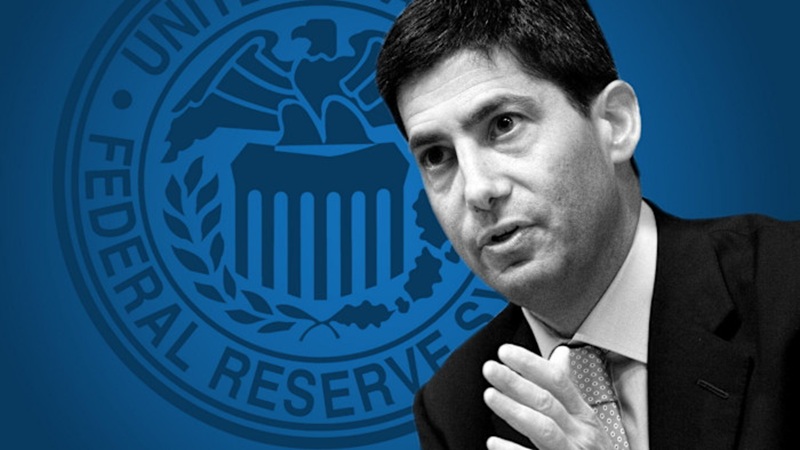
How Jerome Powell’s Tough Crypto Stance Sparked Criticism
Jerome Powell during his tenure as the Federal Chair at times took a notably tough stance on the cryptocurrency industry, particularly during periods of market instability and high-profile crypto collapses. His comments often reflected concerns that digital assets could pose risks to investors, financial institutions, and the broader economy if left insufficiently regulated.
Powell repeatedly described cryptocurrencies such as Bitcoin as highly volatile and speculative assets, warning that they lacked the intrinsic backing and stability associated with traditional currencies. He stressed that many crypto investors were exposed to significant financial risks, especially in an industry where regulation was still developing.
Donald Trump was reportedly frustrated with Jerome Powell and U.S. regulators partly because of what many in the crypto industry viewed as an overly restrictive approach toward digital assets and cryptocurrency businesses.
As Trump increasingly positioned himself closer to pro-crypto voters and digital asset advocates during later political campaigns, criticism of restrictive crypto regulation became more politically significant. Supporters of the industry argued that U.S. regulators, including the Federal Reserve, were pushing innovation overseas by maintaining a hardline approach.
However, Trump’s disagreements with Powell were still driven far more by interest rates and economic policy than by cryptocurrency alone. Crypto regulation became part of the broader debate over financial policy, innovation, and government oversight.
A New Era at the Fed
His confirmation follows months of speculation and a lengthy nomination process that began in summer 2025. Trump has repeatedly criticized Powell and pushed aggressively for lower interest rates. Warsh has signaled openness to rate cuts but has also emphasized he will rely on his own judgment rather than taking direct orders from the White House.
Notably, Warsh has gained particular attention in financial and crypto circles for his relatively positive views on digital assets. He has described Bitcoin as a “good policeman for policy” and “new gold for under 40s,” viewing it as an asset that can help gauge confidence in monetary policy. While he does not see Bitcoin replacing the dollar, he has acknowledged its role as a potential store of value similar to gold.
Financial disclosures revealed Warsh holds stakes in over 20 crypto-related entities, including DeFi protocols, Ethereum scaling solutions, and Bitcoin infrastructure projects. He has pledged to divest these holdings before assuming the role.
Register for the next Tekedia Mini-MBA.
Register for Tekedia AI in Business Masterclass.
Join Tekedia Capital Syndicate and co-invest in great global startups.
Warsh takes office at a complex economic moment. Recent inflation data has shown resilience (or reacceleration in some readings), complicating the case for rapid rate cuts despite pressure from the Trump administration. His first FOMC meeting as Chair is scheduled for June 16-17, 2026.
Analysts expect Warsh to prioritize monetary discipline while potentially fostering a more innovation-friendly regulatory environment for fintech and digital assets. His confirmation, marks a new era at the Federal Reserve, one that could reshape U.S. monetary policy and its intersection with rapidly evolving financial technologies.