

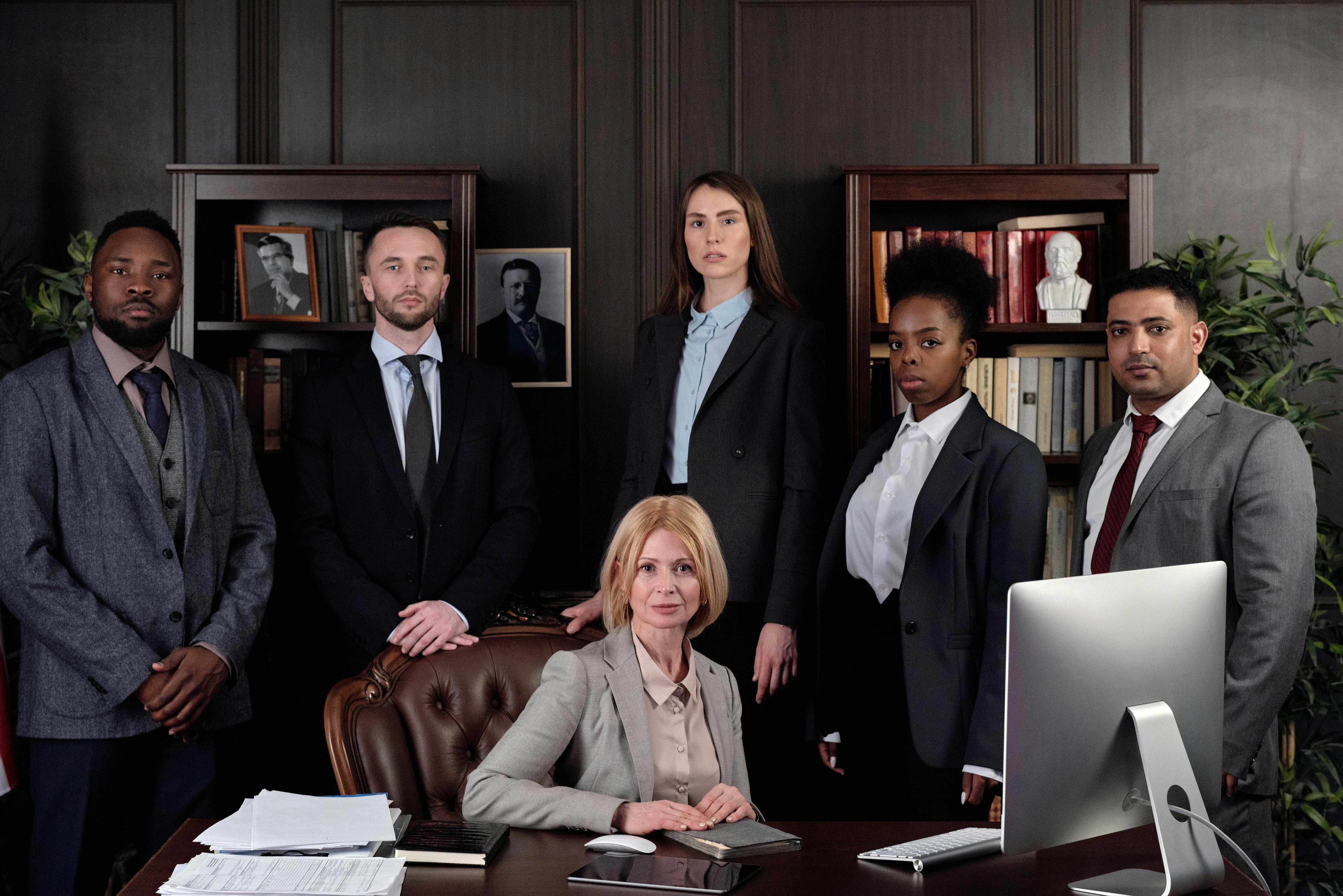
In every industry, you need lawyers. You need someone who knows wrong from right but not just wrong from right in practice but also in theory and based on law. Now, things can get very murky when it comes to law, especially with new technologies such as blockchain. You may have heard this word before and linked it to cryptocurrencies, which is fair but it’s so much more. It’s a massively sophisticated piece of software that can be applied to many different industries.
It’s true, lawyers are lawyers; regardless of their specialization, they have the law on their side. Many people know of the more common cases of needing a lawyer, such as when going through a marital issue or when you’re in a car accident, you often look for a Mighty no injury car accident lawyer to help you win a case but the fascinating thing is that as the world evolves, new kinds of lawyers are cropping up. This is where blockchain lawyers come in.
Why Blockchain Lawyers Are Different
Blockchain law is still a relatively new field and not every lawyer understands the technical or regulatory landscape. Traditional corporate or finance lawyers may have valuable expertise but blockchain adds a layer of complexity. From handling tokens and smart contracts to navigating international regulations, a blockchain lawyer often needs to wear multiple hats.
A good blockchain lawyer not only interprets the law but also understands how blockchain technology actually works. Without that understanding, it’s easy to miss details that could be critical to your project’s success or legality.
Key Qualities to Look For
When searching for a blockchain lawyer, keep these qualities in mind:
- Technical understanding: They don’t need to code smart contracts but they should know what blockchain technology is, how tokens function and how crypto ecosystems operate.
- Regulatory awareness: Laws around crypto, NFTs and blockchain vary across regions and are constantly evolving. A lawyer who stays up to date with regulatory changes can save you from unexpected headaches.
- Industry experience: Look for someone who has worked with blockchain businesses before. Experience with token launches, decentralized finance or crypto exchanges can give you an edge.
- Risk management skills: A blockchain lawyer should anticipate potential risks and help you structure your business in a way that reduces exposure.
- Clear communication: The world of blockchain can be filled with jargon. You want a lawyer who can explain complex issues in plain language so you know exactly where you stand.
Services a Blockchain Lawyer Can Provide
Not all blockchain lawyers focus on the same things. Some might specialize in helping startups launch their projects, while others focus more on compliance and regulation. Depending on your needs, here are some areas where a blockchain lawyer can support you:
- Business formation: Helping you decide where to register your company and how to structure it for blockchain-related operations.
- Token offerings: Advising on whether your token is considered a security and how to launch it legally.
- Smart contracts: Reviewing or drafting contracts to ensure they’re legally enforceable and don’t expose you to unnecessary risk.
- Intellectual property: Protecting your brand, technology and creative assets within the blockchain space.
- Regulatory compliance: Guiding you through anti-money laundering (AML), know-your-customer (KYC) and data protection requirements.
- Dispute resolution: Handling conflicts around contracts, partnerships or ownership of digital assets.
Red Flags to Avoid
While you’re searching for the right blockchain lawyer, you may also come across some warning signs. Avoiding the wrong fit can be just as important as finding the right one. Watch out for lawyers who don’t ask about your project’s technical details. If they’re not curious about how it works, they may not be prepared to protect your interests. Also, beware of outdated knowledge from lawyers because blockchain law moves fast, so someone who hasn’t kept up with recent developments may give advice that is no longer relevant. Additionally, if a lawyer guarantees that your project will be problem-free or immune to regulatory challenges, that’s a sign they’re not being realistic. Furthermore, if there is a lack of blockchain-specific experience, run away. General legal expertise is useful, but in this field, you need someone who has worked with blockchain clients before.
Choosing the Right Fit for You
Finding the right blockchain lawyer isn’t just about checking their credentials. It’s also about making sure they’re the right fit for your specific needs. Some businesses may require deep compliance expertise, while others may need help drafting smart contracts or handling intellectual property.
The answers can give you a clear idea of whether they’re aligned with your goals and working style.
The Future of Blockchain Law
As blockchain continues to grow, so will the demand for specialized lawyers. This is not just about crypto anymore, as mentioned above, you see, blockchain is now part of industries like healthcare, logistics and even entertainment. The legal challenges will only get more complex, ranging from international tax rules to digital ownership rights. A skilled blockchain lawyer can help you navigate this evolving space while protecting your project from unnecessary risks.
Finally, don’t settle for a generalist when it comes to something as complex as blockchain. Take the time to find a lawyer who not only knows the law but also understands the technology shaping your business. That combination is what will truly set you up for success in the fast-moving blockchain world.