

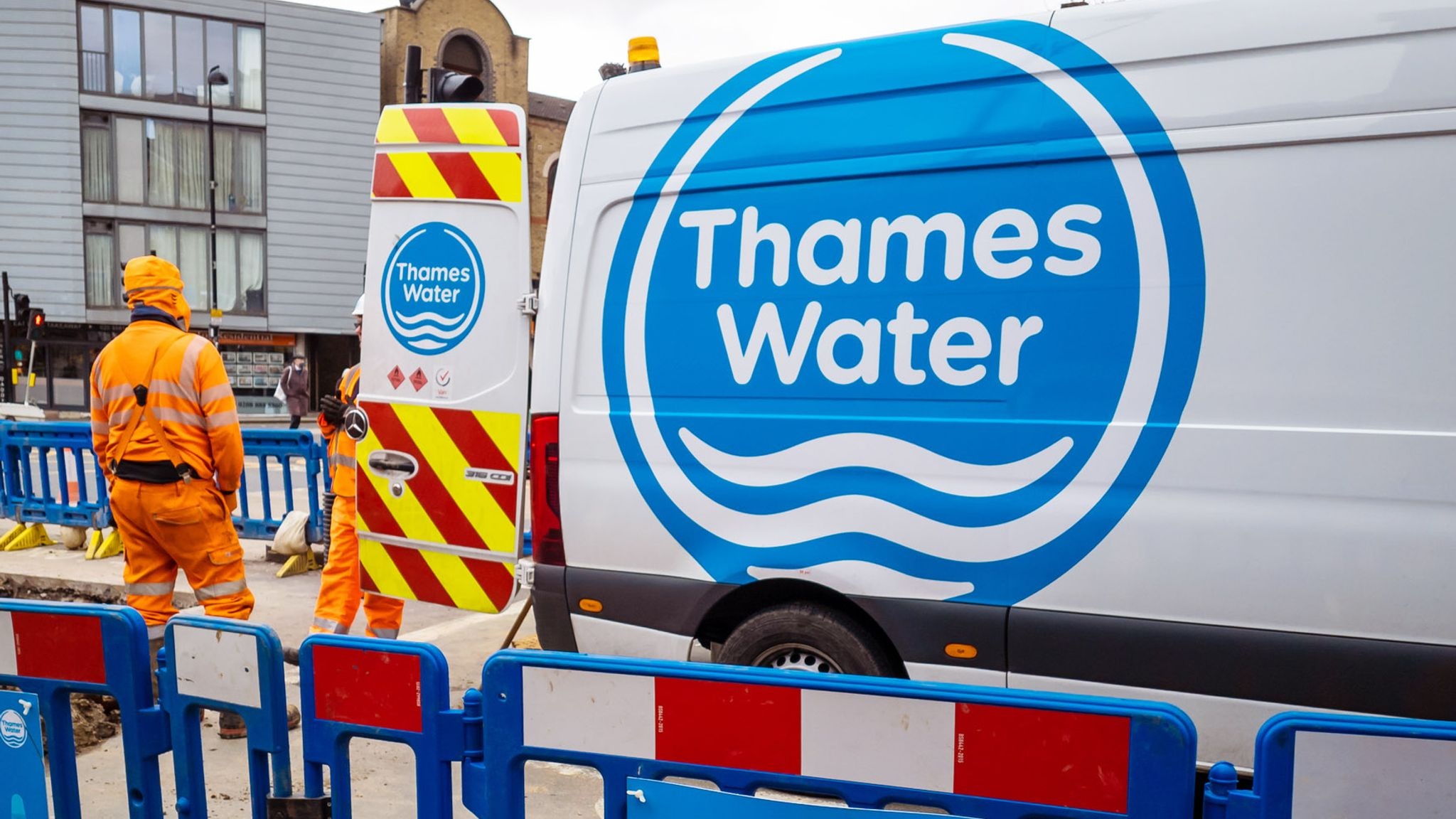
Creditors to Thames Water have offered to inject 3.35 billion pounds ($4.43 billion) in fresh equity into Britain’s largest water utility, escalating efforts to secure a private-sector rescue and prevent the company from slipping into government control.
The proposal, submitted to regulator Ofwat within the past 10 days, forms part of a revised recapitalization plan designed to stabilize the heavily indebted utility, according to a report by Sky News.
The lenders behind the offer include major investment firms such as Invesco, Elliott Management, and Silver Point Capital, which have been negotiating with regulators and other stakeholders to engineer a market-led rescue.
Register for Tekedia Mini-MBA edition 20 (June 8 – Sept 5, 2026).
Register for Tekedia AI in Business Masterclass.
Join Tekedia Capital Syndicate and co-invest in great global startups.
Register for Tekedia AI Lab.
Under earlier terms reported in January, the creditors would receive at least a 10% equity stake in the recapitalized company in exchange for providing new funding.
A spokesperson for Thames Water declined to comment directly on the report but said the company was “working constructively with stakeholders” to deliver a recapitalization that serves customers and the environment.
The rescue proposal comes as Thames Water faces a looming liquidity crunch. The company is believed to require hundreds of millions of pounds in fresh funding by the end of the month to maintain operations and avoid triggering government intervention.

If a long-term restructuring agreement fails to materialize, the company is expected to be placed into the British government’s special administration regime, effectively a temporary nationalization designed to keep essential services running while financial restructuring takes place.
Such a move would mark one of the most significant state interventions in Britain’s privatized utilities sector in decades. The government has already been quietly preparing contingency plans in case the company collapses financially, reflecting the strategic importance of the service it provides.
Thames Water supplies drinking water and wastewater services to around 16 million people, covering large parts of London and southern England. Its vast customer base means any disruption to the company’s operations could have far-reaching consequences for households, businesses, and public health.

Despite its critical role in Britain’s infrastructure, the utility has struggled under a mountain of debt that has grown to nearly £20 billion, making it one of the most heavily leveraged water companies in Europe. The debt burden has constrained the company’s ability to invest in ageing infrastructure, even as regulators and environmental groups push for major upgrades to address pollution and leakage problems.
Beyond its financial troubles, Thames Water has become a lightning rod in the national debate over the performance of Britain’s privatized water industry. The company has faced widespread criticism over repeated sewage discharges into rivers and coastal waters, a problem that has sparked public anger and led to heightened scrutiny from regulators and lawmakers.
Environmental advocates argue that water utilities have prioritized debt financing and shareholder returns over long-term infrastructure investment.
The crisis at Thames Water has therefore evolved into a broader test of the UK’s regulatory framework for utilities. Ofwat and government officials must now determine whether a privately financed restructuring can restore stability while ensuring that environmental commitments and infrastructure upgrades are adequately funded.
For the creditors involved, the rescue proposal could also represent an opportunity to take control of a strategically important asset at a discounted valuation. Distressed infrastructure investments have increasingly attracted hedge funds and private capital firms willing to inject funding into struggling utilities in exchange for equity stakes and long-term returns.
Lenders are expected to gain influence over Thames Water’s restructuring and future investment plans by converting debt into equity through recapitalization. Analysts say such deals can help stabilize essential infrastructure companies, but they often involve complex negotiations with regulators, governments, and existing shareholders.
However, the outcome of the Thames Water crisis could have implications beyond a single company. Britain’s water sector, privatized in 1989, has faced growing criticism over rising debt levels, environmental failures, and the ability of private operators to fund the massive investment required to modernize ageing infrastructure.
The company’s fate may therefore influence how regulators and policymakers approach oversight of other utilities facing similar financial pressures. If creditors and regulators succeed in crafting a market-led rescue, it could help preserve the current ownership model while imposing stricter financial discipline. If not, a temporary nationalization could trigger renewed political debate about the future structure of the UK’s water industry.
This means that Thames Water remains in a race against time to secure funding and convince regulators that a privately funded rescue can stabilize the company before the government is forced to step in.