

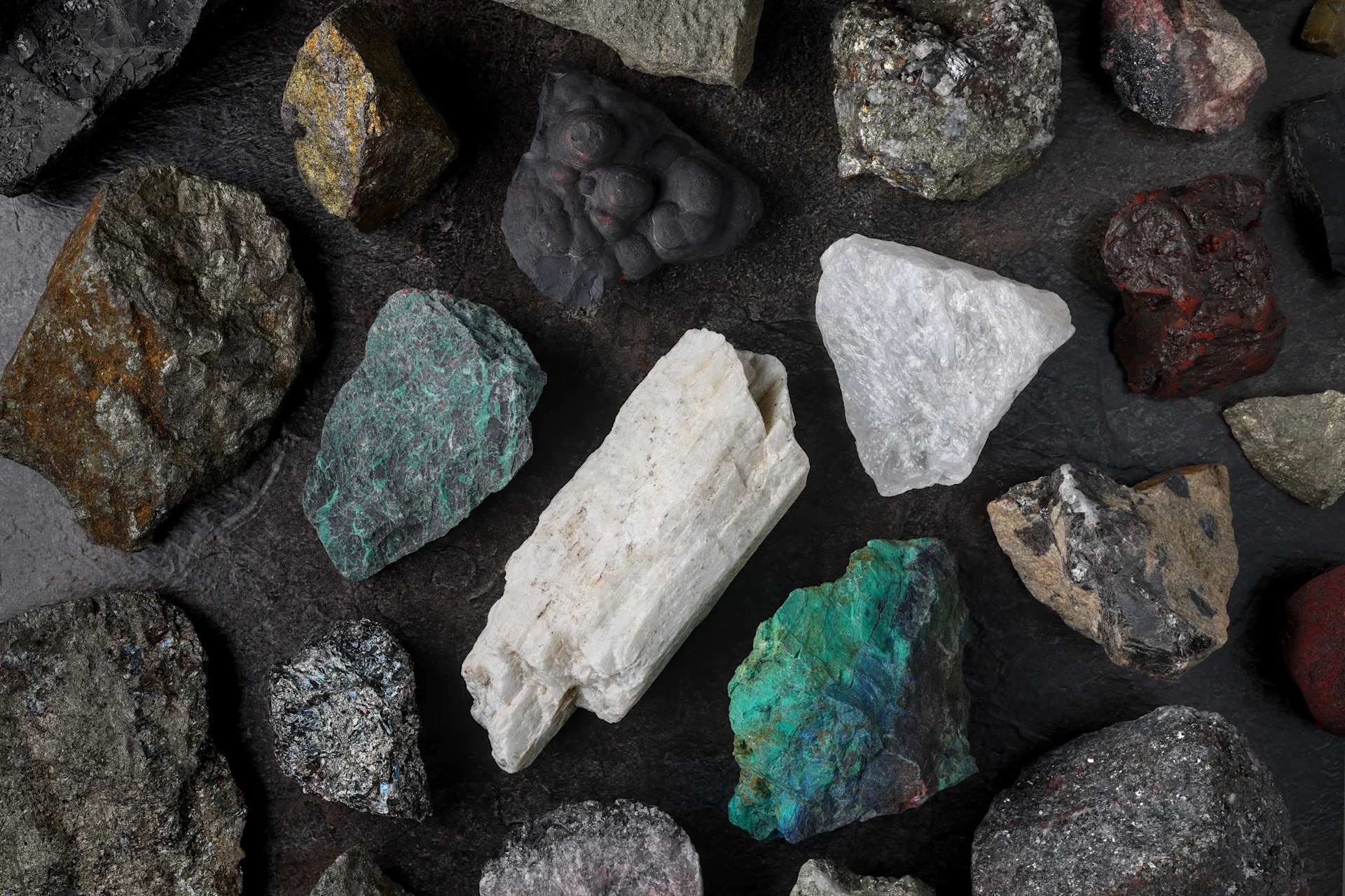
China has signaled that it will continue approving rare earth exports to Europe regardless of whether its trade truce with the United States is extended beyond January, offering some reassurance to European manufacturers amid persistent uncertainty over access to materials essential to advanced technology, electric vehicles and defense production.
He Yadong, a spokesperson for China’s Commerce Ministry, told CNBC on Thursday that Beijing was willing to continue granting rare earth export licenses to European buyers when asked about the implications of the approaching US trade deadline.
The statement suggests that China is prepared to maintain a degree of continuity in its rare earth trade with Europe even as negotiations with Washington approach another potential turning point. However, continued licensing does not amount to unrestricted access, as shipments remain subject to China’s export-control framework.
Register for the next Tekedia Mini-MBA.
Register for Tekedia AI in Business Masterclass.
Join Tekedia Capital Syndicate and co-invest in great global startups.
Rare earths are a group of 17 elements used in products ranging from electric vehicle motors and wind turbines to electronics, precision equipment and military systems. China occupies a dominant position in the global rare earth supply chain, particularly in processing and the production of materials used in high-performance permanent magnets.
That concentration gives Beijing considerable influence over industries that depend on reliable supplies of the materials. For Europe, continued access is important not only to industrial production but also to efforts to expand defense manufacturing and reduce dependence on strategically sensitive imports.
China’s latest position comes as its trade relationship with the United States remains governed by a temporary suspension of certain export restrictions and other trade measures. The arrangement has helped prevent an immediate escalation, but its approaching deadline leaves companies exposed to uncertainty over the future rules governing cross-border trade.

Beijing tightened restrictions on rare earth exports last October, extending controls to products containing even 0.1% of rare earths sourced from China. The move followed a US rule that expanded an American blacklist to include majority-owned subsidiaries of Chinese companies already on the entity list, potentially affecting around 20,000 Chinese entities.
The measures highlighted how export controls have become a central instrument in the economic rivalry between the two countries. Washington has used restrictions on access to certain technologies and entities, while Beijing has tightened controls over materials where Chinese producers hold significant supply-chain influence.
However, US President Donald Trump and Chinese President Xi Jinping agreed at a meeting in late October 2025 to suspend the measures for one year. Ahead of their latest summit last month, US Treasury Secretary Scott Bessent said the truce had been extended by two months, to January.

That extension has provided additional time for negotiations but has not resolved the underlying disagreements. As the deadline approaches, businesses must consider the possibility that the suspended measures could be reinstated, further modified or extended again.
China’s willingness to continue licensing rare earth exports to Europe regardless of the US outcome indicates that Beijing is distinguishing, at least for now, between its engagement with European buyers and the terms of its trade arrangement with Washington.
European manufacturers could face supply disruptions if broader trade tensions lead to tighter licensing, longer approval times or restrictions affecting products that incorporate Chinese-origin rare earths.
Nevertheless, the Chinese statement should not be interpreted as a guarantee that every European shipment will be approved or that licensing conditions will remain unchanged. The practical effect will depend on how Beijing administers the system and whether exporters can obtain authorization in time to meet customers’ requirements.
EU and China Seek to Stabilize Critical Mineral Trade
Trade tensions between Brussels and Beijing eased last week after European Trade Commissioner Maroš Šef?ovi? met Chinese Commerce Minister Wang Wentao in Beijing.
China said it was willing to establish a “green channel” mechanism to keep rare earth supplies flowing to Europe. The arrangement is intended to facilitate trade, although the available details do not establish that it removes licensing requirements or guarantees approval for all shipments.
Beijing has also asked the European Union to support Chinese imports of certain products in dual-use sectors, which cover goods and technologies that can have both civilian and military applications.
The discussions point to an effort by both sides to manage their commercial relationship despite disagreements over trade policy and strategic dependencies. Access to Chinese rare earths remains important for Europe while alternative sources and processing capacity take time to develop. For China, continued exports preserve commercial relationships with European customers, while the licensing system retains regulatory oversight over sensitive materials.
European Commission leaders are meeting in Brussels on Thursday and Friday and are expected to review the details of the trade negotiations with China.
The talks come as European policymakers seek to strengthen supply-chain resilience across industries that rely on critical raw materials. Building alternative sources is a long-term undertaking that requires investment in mining, separation, refining and magnet manufacturing. Even where deposits are available outside China, the necessary processing capacity and industrial expertise may not be readily accessible.
As a result, Europe remains exposed to decisions made by Chinese authorities over export licenses and the conditions governing shipments.
China’s signal of continued rare earth licensing offers European businesses some reassurance, but it does not eliminate the risks associated with concentrated supply chains.
The distinction between continued exports and dependable access is considered important for manufacturers operating with tight production schedules. Even without a formal export ban, delays in licensing can complicate procurement, increase costs, and force companies to maintain larger inventories.
The risks extend across several sectors. Electric vehicle manufacturers depend on rare earth permanent magnets for many motor designs, while wind turbine producers use them in certain generator systems. Electronics manufacturers and defense contractors also rely on specialized materials derived from rare earths.
Any prolonged disruption could therefore have consequences beyond the immediate trade relationship, affecting production planning, investment decisions and the cost of industrial expansion.
Europe’s response is likely to require a combination of continued engagement with Beijing and efforts to diversify supplies. Alternative mining and processing projects can reduce dependence over time, but they cannot necessarily replace China’s established production networks immediately.
The US-China truce adds a fresh challenge because its future could influence the broader environment in which rare earth exports are negotiated and administered. Beijing’s latest statement indicates that Europe may continue to receive licenses even if the arrangement with Washington changes, but the effectiveness of that assurance will depend on actual approvals and shipment flows.