

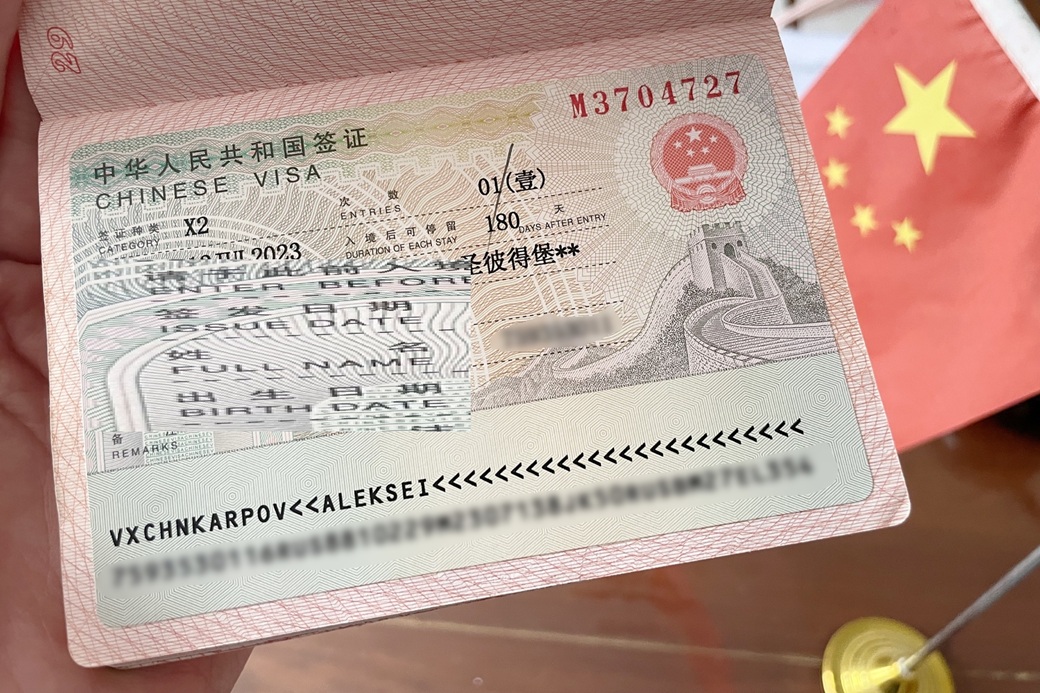
China is set to introduce its new K Visa on October 1, 2025, in a move widely seen as part of its strategy to open its economy further and compete for global talent.
The visa is designed to attract young professionals in science, technology, and entrepreneurship, marking a shift towards policies similar to talent visa schemes in the U.S., Europe, and Singapore, which have long been magnets for skilled migrants.
Unlike traditional Chinese work visas, the K Visa removes the hurdle of employer sponsorship. Applicants will not need a job offer or invitation from a local employer before applying, making it easier for independent researchers, entrepreneurs, and innovators to gain entry. Holders will also enjoy multiple entries, longer validity, and extended stays, enabling participation in research collaborations, academic exchanges, cultural projects, and business ventures.
Register for the next Tekedia Mini-MBA.
Register for Tekedia AI in Business Masterclass.
Join Tekedia Capital Syndicate and co-invest in great global startups.
The eligibility criteria highlight China’s focus on the next generation of innovators. The scheme primarily targets individuals under 45 years old, with advanced degrees from top global universities or work experience in high-level research labs and leadership roles in science or technology sectors.
This mirrors international practices, where countries like the U.S. offer O-1 visas for individuals with extraordinary ability, the EU promotes Blue Cards for skilled professionals, and Singapore markets its Tech.Pass to attract top global tech talent.
China’s approach reflects a growing recognition that access to global knowledge and human capital is as critical as domestic investment in innovation. Beijing aims to position itself as a global hub for science, technology, and entrepreneurship, in line with its ambition to rival Western economies in critical sectors such as artificial intelligence, renewable energy, biotech, and advanced manufacturing.

The visa’s introduction is also part of a broader liberalization effort. By July 2025, China will have signed visa-free or mutual exemption agreements with 75 countries, complementing the new program. At the same time, inbound travel is surging: 38.05 million international trips were recorded in the first half of 2025, up 30.2% year-on-year, signaling revived foreign interest in China’s economy and opportunities.
For young professionals worldwide, the K Visa opens a new frontier. Just as the U.S., Europe, and Singapore have used talent visas to draw some of the brightest minds into their economies, China is now competing on the same playing field, offering international innovators a pathway into its expanding technology and research ecosystem.
Key Features of the K Visa
Multiple Entries: One of the standout aspects of the new program is its flexibility. Visa holders will be able to enter and exit China multiple times over the visa’s validity period, encouraging ongoing international collaboration and cross-border innovation.

Longer Validity and Extended Stays: The K Visa grants extended validity periods, allowing foreign professionals to remain in China for longer durations without frequent renewals. This makes it ideal for long-term projects, joint research initiatives, and entrepreneurial ventures.
Ease of Access: Unlike other visa types, the K Visa does not require applicants to secure a job offer or invitation from a Chinese employer. This opens the door for independent talent, recent graduates from top universities, and early-career innovators seeking opportunities in China’s growing technology ecosystem.
Please save our young people don’t send them to China.
What is the Nigerian goverment offering the young people? A country with limited job opportunities until you know some top people. What a country.