

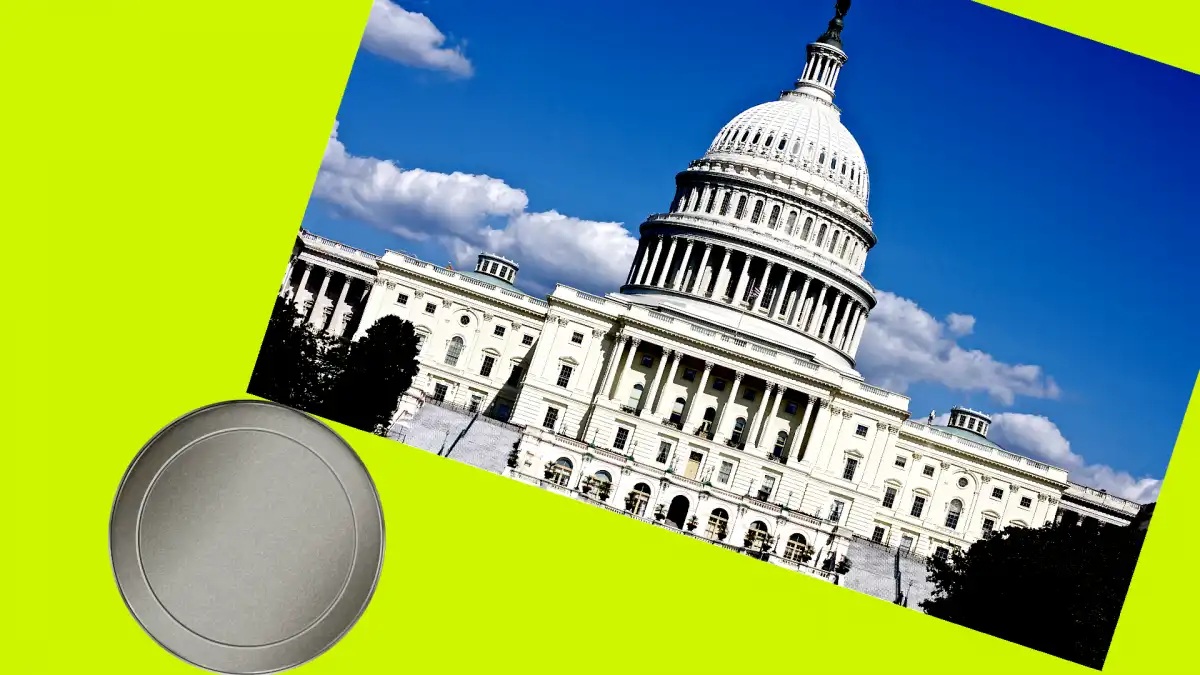
The addition of the Clarity Act to the Senate legislative calendar marks a significant development in the ongoing effort to establish a comprehensive regulatory framework for digital assets in the United States. As cryptocurrencies, blockchain networks, tokenized assets, and decentralized finance continue to expand in both scale and influence, lawmakers have faced increasing pressure to provide clear rules governing the rapidly evolving sector.
The Clarity Act represents one of the most ambitious attempts yet to address regulatory uncertainty and create a more predictable environment for innovation and investment. For years, the digital asset industry has operated in an environment characterized by overlapping regulatory jurisdictions and inconsistent enforcement actions. Companies developing blockchain-based products have often struggled to determine whether their tokens should be classified as securities, commodities, or entirely new categories of financial instruments.
This uncertainty has led to legal disputes, compliance challenges, and concerns that innovation could migrate to jurisdictions offering clearer regulatory guidance.
The Clarity Act seeks to address these concerns by defining the responsibilities of key regulatory agencies and establishing clearer standards for digital asset classification. Supporters argue that the legislation would reduce ambiguity, improve investor confidence, and encourage responsible innovation within the United States.
Register for the next Tekedia Mini-MBA.
Register for Tekedia AI in Business Masterclass.
Join Tekedia Capital Syndicate and co-invest in great global startups.
By outlining specific criteria for determining how digital assets should be regulated, the bill aims to provide businesses and investors with greater certainty when operating in the marketplace. One of the central themes of the legislation is the distinction between decentralized blockchain networks and traditional securities offerings.
Proponents believe that many digital assets evolve over time, beginning as fundraising mechanisms but eventually becoming components of decentralized ecosystems that function independently of any central organization. The Clarity Act attempts to recognize this evolution and provide a framework that reflects the unique characteristics of blockchain technology.
The bill’s appearance on the Senate legislative calendar is noteworthy because it signals that lawmakers are prepared to engage in more substantive discussions regarding digital asset policy. While inclusion on the calendar does not guarantee passage, it demonstrates growing recognition among policymakers that the current regulatory landscape may be inadequate for the needs of a rapidly expanding industry.
The move also suggests increasing bipartisan interest in addressing cryptocurrency regulation through legislation rather than relying solely on regulatory enforcement.

Financial markets and industry participants will be closely monitoring the Senate’s consideration of the bill. Major cryptocurrency exchanges, blockchain developers, venture capital firms, and institutional investors have consistently called for clearer regulatory guidance. Many believe that a well-defined framework could unlock additional investment, accelerate adoption, and strengthen the United States’ position as a leader in financial and technological innovation.
Critics, however, caution that any regulatory framework must balance innovation with consumer protection. They argue that digital asset markets remain vulnerable to fraud, manipulation, and systemic risks. As a result, lawmakers face the challenge of crafting legislation that encourages growth while maintaining safeguards for investors and preserving market integrity.
The inclusion of the Clarity Act on the Senate legislative calendar represents an important milestone in the broader debate over cryptocurrency regulation. Whether the bill advances in its current form or undergoes significant revisions, its consideration reflects the increasing importance of digital assets within the global financial system.

As policymakers, industry leaders, and investors continue to shape the future of blockchain technology, the Clarity Act could play a pivotal role in defining the next chapter of digital asset regulation in the United States.