

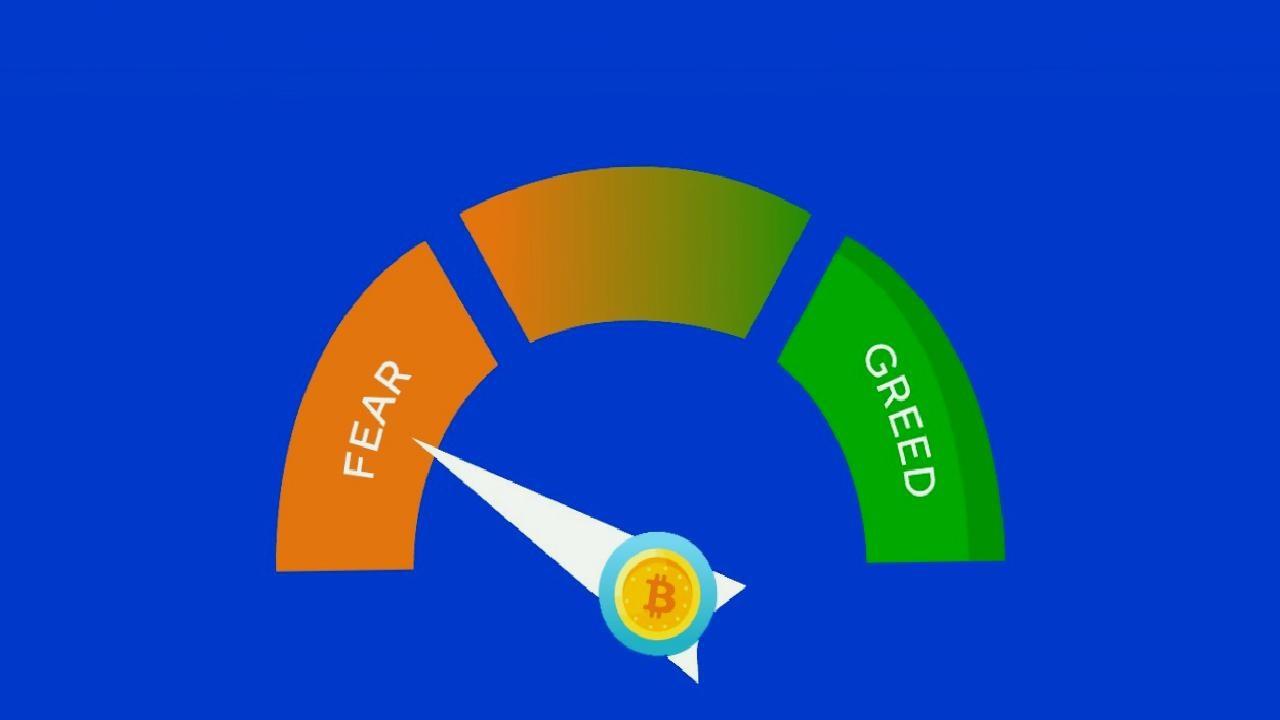
The CNN Fear & Greed Index currently sits in Extreme Fear territory, registering around 11–14 as of late March 2026 with readings as low as 10 recently reported.
This composite gauge 0 = maximum fear, 100 = maximum greed incorporates seven indicators, including stock price momentum, volatility, put and call ratios, junk bond demand, and market breadth. A score below 25 signals extreme fear, reflecting widespread investor pessimism, risk aversion, and capitulation-style selling.
The S&P 500 is on pace for its largest monthly decline since 2022, closing the month down roughly 6.8–7.4%. It erased all 2026 year-to-date gains and traded near multi-month lows around the 6,350–6,400 level by late March.
This marks the index’s steepest monthly drop since the aggressive Fed hiking cycle in 2022. Broader indices followed suit: the Nasdaq entered correction territory; down >10% from recent highs, and the Dow also posted significant losses amid a fifth consecutive weekly decline for the S&P 500.
Register for Tekedia Mini-MBA edition 20 (June 8 – Sept 5, 2026).
Register for Tekedia AI in Business Masterclass.
Join Tekedia Capital Syndicate and co-invest in great global startups.
Register for Tekedia AI Lab.
Key Drivers Behind the Selloff
Several factors converged to drive the downturn: Geopolitical tensions in the Middle East notably involving Iran and Israel which pushed oil prices sharply higher; briefly nearing or exceeding $100–$120 per barrel in spots. This fueled inflation fears and raised concerns about supply disruptions. Persistent inflation signals: Hotter-than-expected PPI readings and worries that elevated energy costs could keep the Fed on a higher for longer path, delaying rate cuts.
Skepticism around AI momentum, pressure on mega-cap tech like the Magnificent 7 stocks shed hundreds of billions in value, and a broader rotation away from high-valuation names. The S&P 500 broke below its 200-day moving average, extending losing streaks and amplifying momentum selling.
The combination created a classic risk-off environment, with the VIX fear gauge spiking into the mid-to-high 20s and occasionally higher, indicating elevated expected volatility. Extreme fear readings often coincide with oversold conditions and can serve as contrarian signals.
Historically, periods of deep pessimism have sometimes preceded above-average forward returns for the S&P 500, as panic selling exhausts itself and bargains emerge. However, this is not guaranteed—prolonged geopolitical or inflationary shocks can extend downturns. That said, sentiment gauges like this are lagging indicators of price action rather than precise timing tools.

Markets can remain fearful longer than expected. This setup reflects genuine stress in equities: a sharp monthly loss, wiped-out YTD gains, surging oil and inflation worries, and washed-out sentiment. Short-term bounces are possible as seen in some intraday or daily rebounds, but the path ahead depends heavily on: De-escalation in the Middle East.
Incoming inflation data and Fed commentary. Whether oil stabilizes or continues pressuring costs. For long-term investors, such episodes have often represented volatility to endure rather than a permanent shift, provided underlying economic fundamentals hold. Near-term, caution and selectivity remain reasonable amid the uncertainty.
Historically, extreme fear levels often coincide with capitulation and can act as a contrarian signal. Panic selling exhausts sellers, creating opportunities for mean-reversion bounces. The S&P 500 has broken below its 200-day moving average and sits near multi-month lows ~6,369, with the index now in or near correction territory down ~9% from its January 2026 high near 7,000.
Volatility (VIX) has risen but not to crisis peaks, suggesting room for relief rallies if geopolitical headlines improve. Sector rotation and damage: Growth and tech-heavy areas and high-valuation stocks suffered most amid risk-off flows. Defensive or energy-related sectors may have held up better initially due to rising oil. Broader market breadth weakened, with fewer new highs and put and call imbalances favoring protection.
Five straight weekly losses for the S&P signal momentum selling. Safe-haven demand rose, while junk bonds and risk assets faced pressure. The primary catalyst—escalation in the Iran-Israel conflict with disruptions in the Strait of Hormuz—drove Brent crude toward or above $100–110+/bbl.
This feeds directly into higher gasoline, transportation, and production costs, risking stagflationary pressures. Consumer sentiment has soured, even among higher-income households, as gas prices spike. Always consider your own risk tolerance and time horizon—market recoveries can be swift once catalysts resolve.