

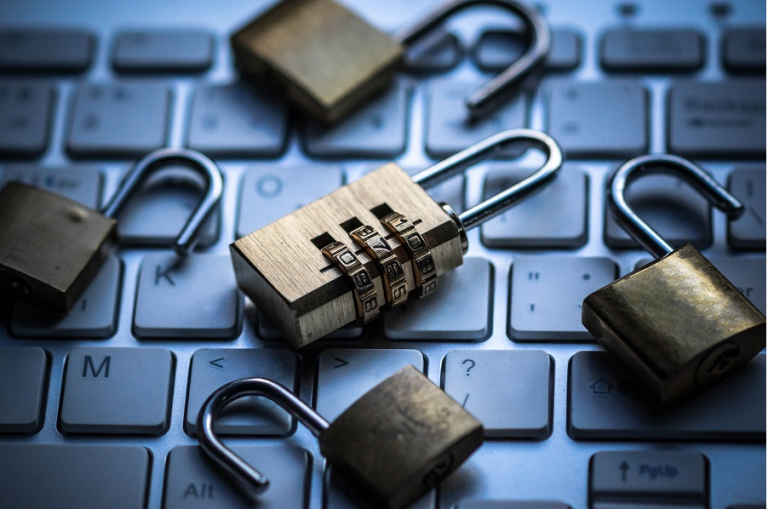
The cryptocurrency industry has been shaken by reports that more than 500 Bitcoin have been stolen from users of Coldcard hardware wallets in what appears to be a highly sophisticated exploitation campaign.
The incident has sparked widespread concern among Bitcoin holders, security researchers, and self-custody advocates, raising fresh questions about the evolving tactics used by cybercriminals and the security practices of crypto investors.
Hardware wallets have long been regarded as one of the safest methods of storing digital assets. Unlike software wallets connected to the internet, hardware wallets keep private keys offline, significantly reducing the risk of remote attacks.
Coldcard, in particular, has earned a strong reputation within the Bitcoin community for its Bitcoin-only design, air-gapped transaction capabilities, and advanced security features aimed at experienced users.
Register for the next Tekedia Mini-MBA.
Register for Tekedia AI in Business Masterclass.
Join Tekedia Capital Syndicate and co-invest in great global startups.
Despite these protections, attackers have reportedly managed to compromise wallets holding more than 500 BTC, worth tens of millions of dollars at current market prices.
While investigations are still ongoing, cybersecurity experts believe the exploit may not necessarily indicate a flaw in the hardware itself. Instead, attention has shifted toward sophisticated phishing campaigns, compromised supply chains, malicious firmware installations, or users inadvertently exposing their seed phrases through social engineering attacks.
The distinction is important because hardware wallets are only one component of a broader security model.
Even the most secure device cannot protect funds if users reveal their recovery phrases or install unauthorized software. Cybercriminals increasingly rely on manipulating victims into voluntarily handing over sensitive information rather than attempting to break the cryptography protecting the devices.

The theft of over 500 BTC highlights the growing financial incentives for hackers. As Bitcoin continues to appreciate in value and institutional adoption expands, hardware wallet users have become increasingly attractive targets.
Large-scale attacks that once focused on exchanges are now shifting toward individual investors and high-net-worth holders practicing self-custody. The incident serves as another reminder that self-custody requires more than simply purchasing a hardware wallet.
Users must adopt comprehensive operational security practices. This includes verifying firmware updates directly from official sources, purchasing devices only from trusted vendors, safeguarding recovery phrases offline, enabling passphrases where appropriate, and remaining vigilant against phishing emails, fake support agents, and fraudulent websites.

The incident may encourage hardware wallet manufacturers to strengthen user education and improve mechanisms for detecting suspicious activity. While security features continue to evolve, user awareness remains one of the weakest links in digital asset protection.
Educational initiatives that teach investors how to recognize scams and properly secure recovery phrases could prove just as valuable as technological improvements.
Blockchain investigators are likely tracking the movement of the stolen Bitcoin across various addresses, mixers, and exchanges.
Although Bitcoin transactions are publicly visible on the blockchain, recovering stolen funds remains extremely difficult once assets are moved through sophisticated laundering networks designed to obscure their origin.
The reported exploitation arrives at a time when demand for self-custody solutions is increasing globally. Regulatory uncertainty, concerns over centralized exchanges, and growing institutional participation have encouraged more investors to take direct control of their digital assets.
However, this shift also places greater responsibility on individuals to manage their own security without relying on third-party custodians. The reported theft of more than 500 BTC serves as a stark reminder that cybersecurity remains an ongoing challenge in the digital asset industry.
While hardware wallets continue to provide one of the strongest defenses available for protecting cryptocurrency, they are not immune to attacks that exploit human error.
As the value of Bitcoin continues to rise, maintaining strong security practices, verifying every transaction, and remaining skeptical of unsolicited communications will remain essential for anyone choosing the path of self-custody.