

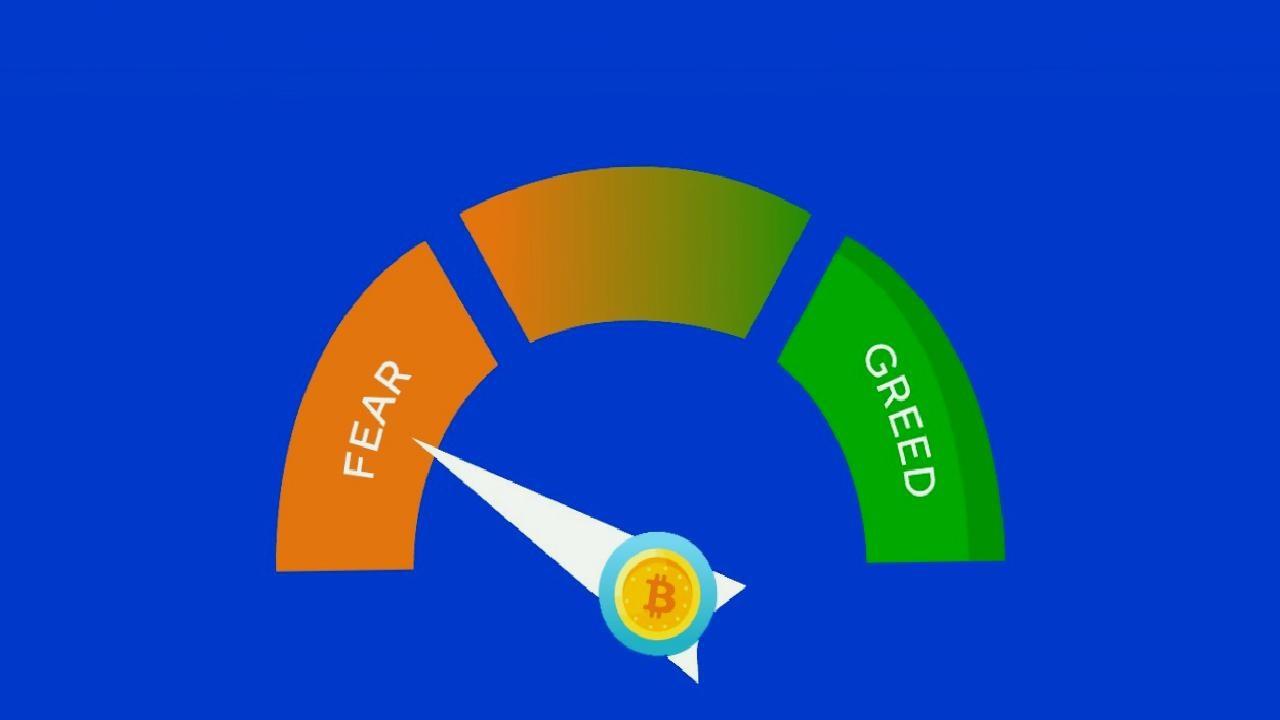
The Crypto Fear and Greed Index has dropped to 11, its lowest level since early February, reflecting deepening caution across the digital asset market. Over the past 24 hours, the total cryptocurrency market capitalization declined to approximately $2.3 trillion, with Bitcoin leading the pullback.
Bitcoin slipped roughly 0.9% to trade near $66,700 in the early hours of today. The crypto asset has declined further, trading at $65,869 at the time of writing this report. With Bitcoin dominance holding around 58.1%, weakness in the flagship asset spilled across the broader market.
Market pressure intensified following the latest meeting minutes from the Federal Reserve, which signaled policymakers are in no rush to cut interest rates. Some officials even left the door open for further tightening if inflation remains elevated. The decline also comes ahead of the U.S. initial jobless claims release, a key data point investors are watching for signals about the direction of monetary policy.
Register for Tekedia Mini-MBA edition 20 (June 8 – Sept 5, 2026).
Register for Tekedia AI in Business Masterclass.
Join Tekedia Capital Syndicate and co-invest in great global startups.
Register for Tekedia AI Lab.
Retail sentiment on Stocktwits remained firmly bearish, accompanied by muted trading chatter. Across the broader market, liquidations totaled about $223 million in the past day, according to CoinGlass, with long positions accounting for the majority of forced closures.
Despite short-term weakness, on-chain data highlighted by Coin Bureau indicates a shift among long-term Bitcoin holders. After months of profit-taking, these investors resumed accumulation in mid-January 2026 and have continued buying as prices declined from previous highs.
Long-term holders, defined as those holding for at least 155 days, typically move assets into cold storage, reducing available market supply and potentially supporting future price appreciation. Analysts note that higher-for-longer interest rates increase the opportunity cost of holding non-yielding assets such as Bitcoin, tightening liquidity and dampening speculative demand.

Market watchers are now closely focused on the $66,000 level. A sustained break below this threshold could open the path toward a retest of the yearly market capitalization low near $2.17 trillion. Conversely, a recovery above $68,000 may indicate renewed buyer strength and support a broader rebound across altcoins.
Two catalysts could shift sentiment in the near term. First, daily spot Bitcoin ETF flow data remains a key indicator; continued outflows reinforce risk aversion, while renewed inflows could quickly stabilize prices. Second, regulatory clarity, particularly through the proposed Clarity Act, could unlock sidelined institutional capital.
Venture capitalist Tim Draper maintains a bullish long-term outlook, reiterating his expectation that Bitcoin could rise fourfold within two years. Draper, known for early investments in Skype, SpaceX, and Tesla, continues to project a six-figure valuation trajectory for the asset.

Meanwhile, Strategy CEO Michael Saylor has characterized the current market as a crypto winter, though he expects the downturn to be shorter than previous cycles. Bitcoin currently trades near $66,500 with a market capitalization of roughly $1.33 trillion.
Outlook
Market sentiment remains fragile, shaped by macroeconomic uncertainty and monetary policy expectations. The interplay between institutional flows, regulatory developments, and macroeconomic data will likely determine whether support levels hold or further downside emerges.
If long-term holder accumulation persists and ETF inflows return, the market could stabilize despite current fear-driven conditions. However, sustained pressure from elevated interest rates may continue to cap upside momentum in the near term.