

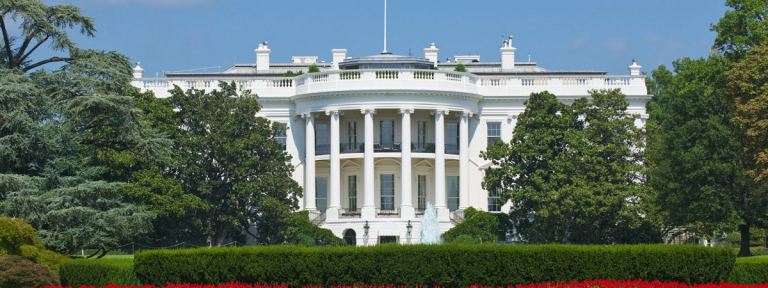
The U.S. SEC’s proposed cryptosafe harbor framework, part of Regulation Crypto Assets, has advanced to final review at the White House’s Office of Information and Regulatory Affairs (OIRA).
SEC Chair Paul Atkins confirmed this during a fireside chat at Vanderbilt University’s Digital Assets and Emerging Technology Policy Summit. He described it as the key step before formal publication, calling it exciting. The framework aims to give crypto projects clearer paths to operate without immediate full securities registration under the Howey test, while still protecting investors through disclosures.
Key elements include: Startup exemption which allows qualifying early-stage blockchain projects a four-year window to raise capital with limits, e.g., up to certain amounts like $5M in some reports using principles-based disclosures. Broader relief for more established projects, potentially enabling raises up to $75M within 12 months under structured disclosure rules.
Register for Tekedia Mini-MBA edition 20 (June 8 – Sept 5, 2026).
Register for Tekedia AI in Business Masterclass.
Join Tekedia Capital Syndicate and co-invest in great global startups.
Register for Tekedia AI Lab.
Investment contract safe harbor: Defines when a token can exit the security classification—once the issuer has completed or permanently ceased essential managerial efforts that were promised or implied during fundraising. This builds on prior ideas like the 2020 Token Safe Harbor proposal and aligns with the SEC’s recent Token Classification Guide.
It also ties into broader efforts like an innovation exemption sandbox and complements the SEC-CFTC Memorandum of Understanding for coordinated oversight. This is an agency rulemaking under the current SEC leadership not legislation. It provides a temporary and transitional pathway for token launches and decentralization while pushing for Congress to pass permanent market structure laws.
Atkins has emphasized that rulemaking alone isn’t enough—statutory clarity from Capitol Hill is needed. Process ahead: OIRA review typically 30–90 days, though it can vary; involves interagency input and cost-benefit analysis. Publication in the Federal Register. Public comment period. Potential revisions and final adoption.

OIRA clearance doesn’t guarantee the exact form or final approval, but it signals the proposal is mature and moving forward. If adopted, this could reduce regulatory uncertainty for U.S.-based crypto startups, encourage innovation and capital formation, and help distinguish decentralized networks from securities. Critics may raise investor protection concerns, while supporters see it as a pragmatic bridge to fuller legislation.
Markets have reacted positively in sentiment, viewing it as bullish for altcoins and project launches, though broader macro factors still dominate. This fits into the administration’s broader push for American leadership in digital assets, including safe harbors and sandboxes mentioned in prior White House working group recommendations.
Early-stage blockchain projects could access a startup exemption—a non-exclusive, time-limited up to ~4 years window to raise capital roughly capped around $5 million in some descriptions without immediate full securities registration under the Securities Act. This provides a regulatory runway to build toward network maturity and decentralization.

A broader fundraising exemption could allow larger raises potentially up to ~$75 million within a 12-month period under structured, principles-based disclosures. This is non-exclusive, so projects could layer it with other existing exemptions.
The investment contract safe harbor would define a clearer, rules-based exit from securities classification—once the issuer completes or permanently ceases the essential managerial efforts promised to investors during fundraising. Paired with the SEC’s March 2026 token taxonomy guidance, this reduces perpetual legal overhang for maturing and decentralized networks.
U.S.-based builders gain more predictable pathways to launch and fund projects domestically, potentially reversing some offshore migration seen in prior years of enforcement-focused regulation. It encourages innovation without eliminating accountability. This represents a notable shift toward regulatory clarity after years of enforcement-heavy approaches.