

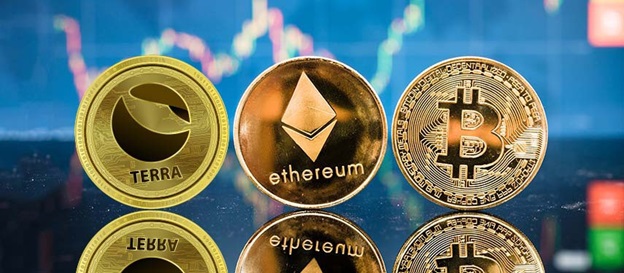
Do Kwon, co-founder of Terraform Labs, pleaded guilty to one count of conspiracy to commit commodities fraud, securities fraud, and wire fraud, and one count of wire fraud in a New York federal court on August 12, 2025.
The charges stem from the $40 billion collapse of TerraUSD and Luna in 2022, which wiped out significant investor value. Under a plea deal, Kwon faces a maximum of 25 years in prison, though prosecutors have agreed to recommend no more than 12 years, provided he accepts responsibility.
He also agreed to forfeit over $19 million in illicit proceeds and his interest in Terraform and its cryptocurrencies. Sentencing is scheduled for December 11, 2025, before U.S. District Judge Paul Engelmayer.
Kwon was extradited from Montenegro to the U.S. on December 31, 2024, after his arrest in March 2023 for using forged travel documents. He still faces additional charges in South Korea. Kwon’s case highlights the vulnerability of investors in the crypto market and strengthens the case for stricter regulations.
Register for Tekedia Mini-MBA edition 20 (June 8 – Sept 5, 2026).
Register for Tekedia AI in Business Masterclass.
Join Tekedia Capital Syndicate and co-invest in great global startups.
Register for Tekedia AI Lab.
Regulatory bodies like the U.S. Securities and Exchange Commission (SEC) and international counterparts (e.g., South Korea’s Financial Services Commission) are likely to intensify oversight of stablecoins and decentralized finance (DeFi) platforms.
The collapse of TerraUSD, a stablecoin meant to maintain a $1 peg, exposed risks in algorithmic stablecoins. This may push regulators to impose specific requirements, such as mandatory reserves or audits, to ensure stability and transparency.
The $40 billion TerraUSD/Luna collapse, coupled with Kwon’s guilty plea, may further erode confidence in crypto projects, particularly those lacking clear governance or transparency. Investors may demand more robust due diligence before engaging with new tokens or platforms.

Legal Accountability for Crypto Founders
Kwon’s plea sets a high-profile example that crypto founders and executives can face severe personal consequences for mismanagement or fraudulent activities. This may deter reckless or deceptive practices in the industry.
Terraform Labs, already weakened by the 2022 collapse, faces further reputational and financial damage. Kwon’s forfeiture of $19 million and his interest in Terraform and its cryptocurrencies could limit the company’s ability to recover or relaunch.
Other projects built on or inspired by Terra’s model may face increased scrutiny, potentially stifling innovation in algorithmic stablecoins or similar DeFi protocols. Kwon still faces charges in South Korea, where the Terra collapse had a significant impact, with thousands of retail investors affected.

Kwon’s case reinforces the U.S. as a key jurisdiction for prosecuting crypto-related fraud, even for non-U.S. citizens operating overseas. The use of U.S. wire fraud statutes in this context sets a precedent for applying traditional financial laws to decentralized systems.
The inclusion of conspiracy to commit securities and commodities fraud establishes that coordinated efforts to mislead investors in crypto markets can lead to severe penalties, even if the assets are not explicitly classified as securities.
The TerraUSD collapse is one of the largest stablecoin failures to date. Kwon’s guilty plea sets a precedent that creators of stablecoins can be held liable for misrepresenting their stability or failing to deliver on promised mechanisms (e.g., Terra’s algorithmic peg).
The plea deal’s recommendation of up to 12 years, despite a 25-year maximum, establishes a benchmark for sentencing in major crypto fraud cases. Future cases may reference this balance between accountability and cooperation when determining penalties.
By pleading guilty to charges involving securities fraud, Kwon’s case indirectly supports the SEC’s argument that certain cryptocurrencies (like Luna) may be treated as securities. This could influence ongoing debates about whether tokens are securities or commodities, shaping future regulatory classifications.
Do Kwon’s guilty plea is a landmark case in the cryptocurrency industry, signaling that founders and executives can face significant legal consequences for fraud and mismanagement. It sets a precedent for applying traditional financial laws to crypto, strengthens international enforcement, and highlights the risks of unstable stablecoins.
While it may deter fraudulent projects, it also emphasizes the need for balanced regulation to protect investors without stifling innovation. The case’s ripple effects will likely influence global crypto policies, investor behavior, and the legal accountability of industry leaders for years to come.