

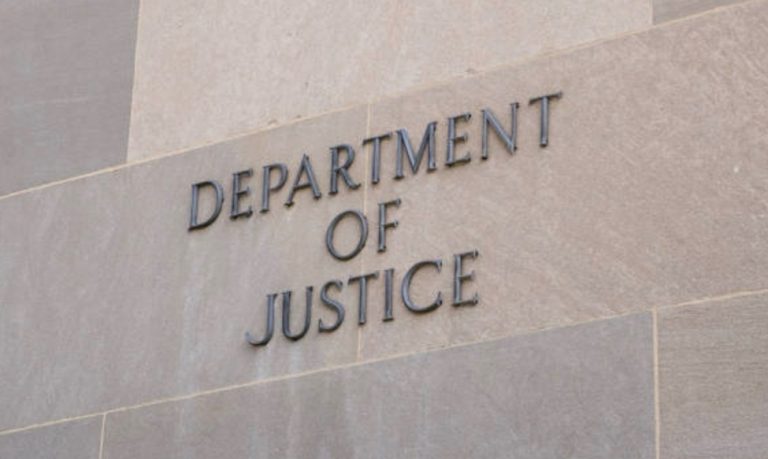
The U.S. Department of Justice under President Donald Trump has launched a broad review of Netflix’s proposed $82.7 billion acquisition of Warner Bros., placing one of the most consequential media mergers in decades under antitrust scrutiny and injecting fresh uncertainty into an already politically charged bidding landscape.
According to reporting by The Wall Street Journal and Reuters, the DOJ is examining whether the combination could entrench Netflix’s market power in streaming and content distribution, or otherwise reduce competition in violation of U.S. antitrust law. Federal regulators have wide latitude to challenge mergers they believe may substantially lessen competition or tend toward a monopoly.
The review arrives as multiple parties have been maneuvering to shape the outcome of Warner Bros.’ future — and as political calculations intersect with business strategy in ways that are drawing attention in Washington and on Wall Street.
Register for Tekedia Mini-MBA edition 20 (June 8 – Sept 5, 2026).
Register for Tekedia AI in Business Masterclass.
Join Tekedia Capital Syndicate and co-invest in great global startups.
Register for Tekedia AI Lab.
In addition to Netflix’s offer, Oracle co-founder Larry Ellison has pursued his own path toward acquiring major media assets, including Warner Bros., CNN, and HBO. Ellison’s interest has been reported alongside a separate bid involving Paramount and Skydance. Warner Bros.’ board unanimously rejected an earlier Ellison-backed proposal, describing it as “inadequate” and “not in the best interests” of shareholders.
Industry observers say bidders in high-profile transactions of this scale often assess regulatory posture alongside financial feasibility. Given Trump’s public criticism of certain media organizations and his longstanding relationships with prominent business figures, there had been speculation that political influence could play a role in how regulators approach competing deals.
However, Trump has stated publicly that he will not intervene in the merger process. That assertion, if maintained, places responsibility squarely on the DOJ’s antitrust framework rather than political preference.

Even so, the perception that political alignment might affect regulatory outcomes has become part of the broader narrative surrounding the deal. The companies involved are navigating not only financial and operational considerations, but also the optics of how government oversight is applied in a polarized environment.
Antitrust Law and Market Definition
At the heart of the DOJ’s inquiry is the definition of the relevant market. Netflix argues that it operates in an intensely competitive global environment that includes Disney, Amazon, Apple, traditional studios, and emerging streaming platforms. From that vantage point, acquiring Warner Bros. would enhance scale and content depth without eliminating meaningful competition.
Regulators, however, may examine narrower market segments, such as premium subscription streaming, licensing leverage, advertising-supported streaming tiers, or control of high-value intellectual property. The merger would combine Netflix’s global distribution platform with Warner Bros.’ film studio, television production arms, and cable networks, including HBO and CNN.

Such vertical and horizontal integration raises questions about whether competitors could face higher licensing costs or restricted access to content libraries.
Antitrust authorities will also weigh consumer impact — including subscription pricing, bundling practices, and potential changes to content availability.
Media Consolidation in Historical Context
The U.S. media industry has experienced sustained consolidation over the past two decades. Warner Bros. itself has undergone multiple ownership transitions, mergers, and restructurings. Each wave of consolidation has been accompanied by workforce reductions, strategic refocusing, and debates about the balance between scale efficiencies and diminished competition.
Proponents of the Netflix deal argue that scale is now essential in an era defined by global streaming competition and capital-intensive content production. They contend that without consolidation, legacy studios risk falling behind technology-driven platforms with deep financial resources.
Opponents counter that repeated megamergers have often produced cost-cutting and cultural disruption without delivering sustained creative or consumer benefits.
Congressional and Advocacy Pressure
The proposed merger has also drawn scrutiny from lawmakers. During recent hearings, Republican Senator Josh Hawley questioned Netflix executives about platform practices and content decisions. Advocacy organizations, including the Heritage Foundation, have publicly opposed the transaction and have encouraged regulators to examine its broader cultural and competitive implications.
These interventions underscore how media consolidation debates increasingly extend beyond price and market share metrics into broader political and cultural territory.
Trump’s Position
Trump’s public statement that he will not get involved in the decision may temper concerns about direct executive interference. In the U.S. system, antitrust enforcement decisions are formally handled by career staff and appointed officials within the DOJ’s Antitrust Division, operating under statutory guidelines and judicial precedent.
Nonetheless, the president’s stance does not eliminate the political context surrounding the review. Given the visibility of the companies involved — particularly CNN, which has been a frequent subject of Trump’s criticism — perceptions about impartiality will likely persist throughout the process.
Possible Outcomes
The DOJ could clear the merger without conditions, approve it with remedies such as divestitures or behavioral commitments, or file suit to block the transaction. If challenged, the case would proceed through federal court, where judges would assess competitive harm under established antitrust standards.
Simultaneously, rival bidders may continue exploring alternative pathways, including renewed offers or separate transactions involving other media assets.