

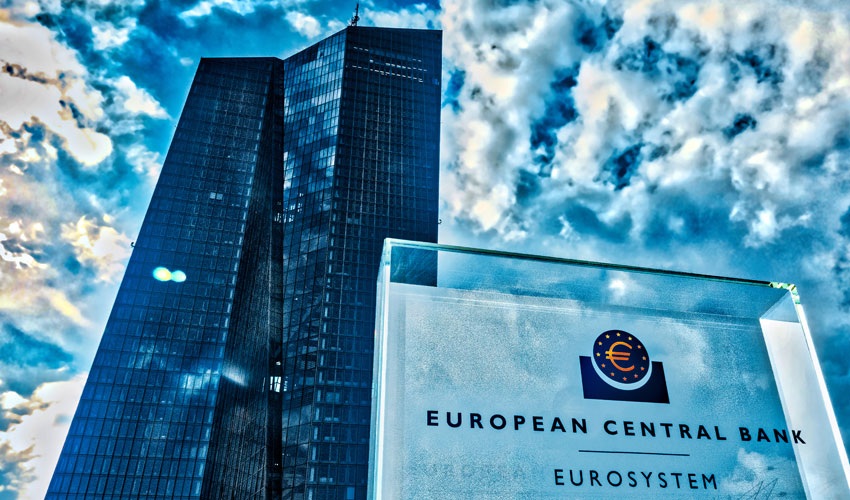
Euro-area inflation accelerated sharply in August, highlighting renewed price pressures across the region and complicating expectations for the European Central Bank (ECB).
Annual inflation rose to 3.3% from 2.9% in July, while energy inflation surged to 14.3%. The latest figures represent a significant challenge for policymakers who have been trying to balance inflation control with the need to support economic growth.
The acceleration is particularly important because energy prices influence almost every part of the economy. Higher costs for oil, gas and electricity can directly raise household bills while increasing operating expenses for businesses.
Companies facing higher energy costs may pass those increases to consumers through higher prices for goods and services. This creates the risk that an initial energy shock could spread into broader inflationary pressures.
Register for the next Tekedia Mini-MBA.
Register for Tekedia AI in Business Masterclass.
Join Tekedia Capital Syndicate and co-invest in great global startups.
The 3.3% headline inflation rate therefore sends a warning signal to markets. While headline inflation can be heavily influenced by volatile energy and food prices, a sustained increase can affect inflation expectations and wage negotiations.
If workers demand higher wages to compensate for rising living costs, businesses may respond with additional price increases. Such a cycle could make inflation more persistent and more difficult for the ECB to bring back toward its medium-term target.
For the ECB, the development creates a difficult policy environment. Monetary policy works with a lag, meaning interest-rate decisions made today influence economic activity and inflation months later.

If policymakers maintain restrictive rates for too long, they risk weakening investment, consumer spending and employment. But easing policy too quickly could allow inflationary pressures to become entrenched.
The energy component is especially significant. Inflation of 14.3% in the energy category indicates that the region is experiencing a substantial cost shock.
Europe remains highly sensitive to developments in global energy markets, meaning geopolitical tensions, supply disruptions and changes in commodity prices can rapidly affect domestic inflation.
Financial markets are consequently likely to reassess expectations for future ECB decisions. A faster-than-expected decline in inflation had previously strengthened the argument for monetary easing, but the August acceleration could encourage policymakers to adopt a more cautious approach.

Investors may now place greater emphasis on upcoming inflation, wage-growth and economic-activity data before making firm assumptions about the next rate move.
The impact will differ across member states. Economies with greater exposure to energy-intensive industries could face stronger cost pressures.
While households with lower incomes may be disproportionately affected because energy and basic necessities represent a larger share of their spending the ECB must consider whether the inflation surge is temporary or becoming broader and more persistent.
If energy prices stabilize, headline inflation could eventually moderate. However, if higher energy costs begin feeding into core inflation, services and wages, the policy challenge would become considerably more serious.
The August figures therefore mark an important moment for the euro-area economy. Inflation at 3.3%, combined with energy inflation of 14.3%, reduces the ECB’s room for aggressive rate cuts and increases uncertainty surrounding the region’s monetary-policy trajectory.
The central question is whether the energy shock fades or becomes embedded in broader prices. Until policymakers have clearer evidence, the ECB may be forced to prioritize inflation stability over rapid monetary easing, even as economic growth remains vulnerable.