

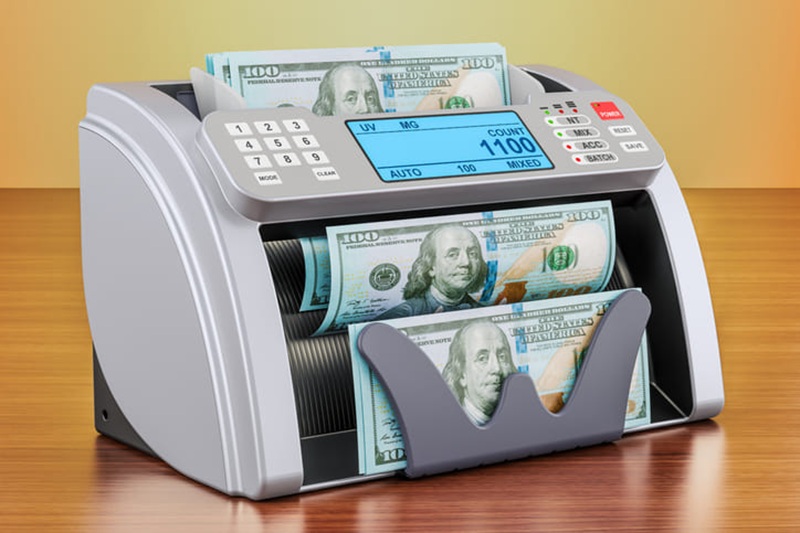
Cash-heavy businesses rarely struggle because they lack effort. They struggle because manual counting invites small errors, slow deposits, and uncomfortable end-of-day disputes. A dependable money-counting machine enhances control, improves speed, and provides a clear record of what was handled. The goal is not flashy features. The goal is consistent totals and fewer surprises.
Organizations that explore solutions from providers such as CE often find that the right choice depends on workflow, currency handling needs, and the level of counterfeit risk in their environment. Selecting a bill counter machine becomes much easier when you evaluate performance factors that affect daily operations, not just the headline speed on the box.
Match the Machine Type to Your Cash Workflow
Start by identifying what you count most often and how you count it. Some businesses mainly handle loose bills in a single currency. Others process bundled cash, mixed denominations, or deposits from multiple registers. A machine that fits a retail back office may not fit a bank branch, casino cage, or event venue. Your workflow determines which features add value and which create friction.
Consider how cash enters your counting area. If staff bring stacks from multiple tills, you may want fast feeding and easy batch controls. If you reconcile deposits by denomination, you may need a unit that sorts or at least recognizes denominations accurately. If cash arrives in mixed condition, with folded or worn notes, choose a unit designed to handle rough bills without frequent jams.
Also, plan for where the machine will live. Counting at the front counter demands a compact footprint and quiet operation. Counting in a back room may allow a larger machine with higher throughput and stronger duty-cycle capability.
Focus on Accuracy, Not Just Advertised Speed
Counting speed is easy to market, but accuracy is what protects your business. Look for machines with strong feed control and consistent performance across note condition and stack thickness. A counter that runs fast but miscounts under real conditions costs more time than it saves because staff must recount and verify.
Pay attention to error detection features. Reliable machines stop and alert when they detect suspected doubles, chains, or half notes. These alerts reduce silent miscounts. They also help less experienced staff operate confidently because the machine flags common problems before they become discrepancies.
Accuracy also ties to maintenance habits. A machine can be accurate on day one and degrade if it is not cleaned and calibrated as recommended. When comparing options, consider how easy it is to clean sensors, replace consumables, and keep the unit operating consistently over time.
Evaluate Counterfeit Detection and Fit It to Your Risk Level
Counterfeit detection is a practical necessity for many businesses, but the right level depends on your risk profile. If you handle high volumes of cash, accept cash from unfamiliar customers, or work in industries with frequent counterfeit attempts, stronger detection matters. Common detection methods include ultraviolet, magnetic, infrared, and image-based analysis. The most dependable solutions use multiple detection checks, not a single signal.
Think about what you need the machine to do when it suspects a note. Some machines stop the count and present the suspect bill for review. Others can continue while separating or flagging results, depending on model and mode. Your process should define the best behavior. A high-volume environment may prioritize quick identification without constant interruption. A higher-risk setting may prefer immediate stopping and review.
Also consider currency changes. New banknote designs and security features appear over time. Machines that support firmware updates and easy updates tend to remain useful longer, especially if you accept more than one currency or operate in regions with frequent note redesigns.
Consider Denomination Functions, Batch Modes, and Reporting Needs
Not every business needs value counting, but many benefit from it. A basic counter totals quantity. A value counter recognizes denominations and can provide total value and breakdown by denomination. If your staff must reconcile deposits and prepare bank slips, value counting can reduce manual steps and improve end-of-shift consistency.
Batching is another workhorse feature. It helps when you need to prepare strapped bundles, set consistent deposit stacks, or count a fixed number of bills for float. Look for flexible batch settings and an interface that staff can use without training every new hire for an hour. Simple controls reduce mistakes.
Reporting and audit support matter more than many buyers expect. If your business needs records for reconciliation, internal controls, or loss prevention, look for models that support printed receipts, on-screen totals, or exportable records depending on your setup. Even basic summaries can reduce disputes when numbers do not match.
Check Durability, Serviceability, and Total Cost of Ownership
A money-counting machine is equipment that runs daily, sometimes continuously. Durability matters, especially in busy environments. Ask about duty cycle expectations, jam resistance, and how the unit performs with worn notes and debris. Machines that require constant troubleshooting create hidden labor costs.
Serviceability should influence the purchase decision. Consider warranty length, local service availability, replacement part access, and turnaround time for repairs. If a unit fails during peak season, you want a fast path to recovery. In many businesses, downtime is more expensive than the difference between two models.
Total cost of ownership extends beyond the purchase price. Factor in cleaning supplies, consumable parts, potential extended warranty, and the labor impact of jams and recounts. A slightly higher upfront cost can be justified if it reduces daily friction and improves consistency.
Prioritize Ease of Use, Training, and Operational Fit
Even the best machine fails if staff avoid it or use it incorrectly. Look for a clear display, intuitive buttons, and predictable behavior when the machine detects an issue. If staff must guess what an alert means, they will waste time and risk errors. A good interface reduces hesitation and speeds up routine tasks.
Noise level and ergonomics matter in real workplaces. Some machines are loud enough to disrupt front-of-house operations. Others handle bills with a smoother feed that reduces sound and vibration. If the machine sits near customers or staff workstations, these details affect daily comfort and adoption.
Finally, test operational fit with a simple checklist before buying. What currencies do you accept? How many bills per day do you count? Do you need counterfeit detection? Do you need value counting? Do you need a receipt or a record? A machine that aligns with these answers will deliver consistent benefits without forcing your team into awkward workarounds.