

The U.S. Bureau of Economic Analysis released its third estimate for Q2 2025 GDP growth, revising it upward to a robust 3.0% annualized rate—surpassing the initial 2.8% estimate and Wall Street’s consensus of 2.9%.
This strength was largely driven by consumer spending, which rose 3.7% in the quarter, exceeding forecasts. Complementing this, the Labor Department’s weekly jobless claims report for the week ending September 20 showed initial claims falling to 228,000—below the expected 235,000—indicating a resilient labor market with limited layoffs.
These better-than-expected figures signal that the U.S. economy remains solid, reducing the urgency for aggressive monetary easing by the Federal Reserve. Inflation, while cooling, hovers around 2.9% core PCE, still above the Fed’s 2% target, and potential tariff impacts could add upward pressure.
Register for Tekedia Mini-MBA edition 20 (June 8 – Sept 5, 2026).
Register for Tekedia AI in Business Masterclass.
Join Tekedia Capital Syndicate and co-invest in great global startups.
Register for Tekedia AI Lab.
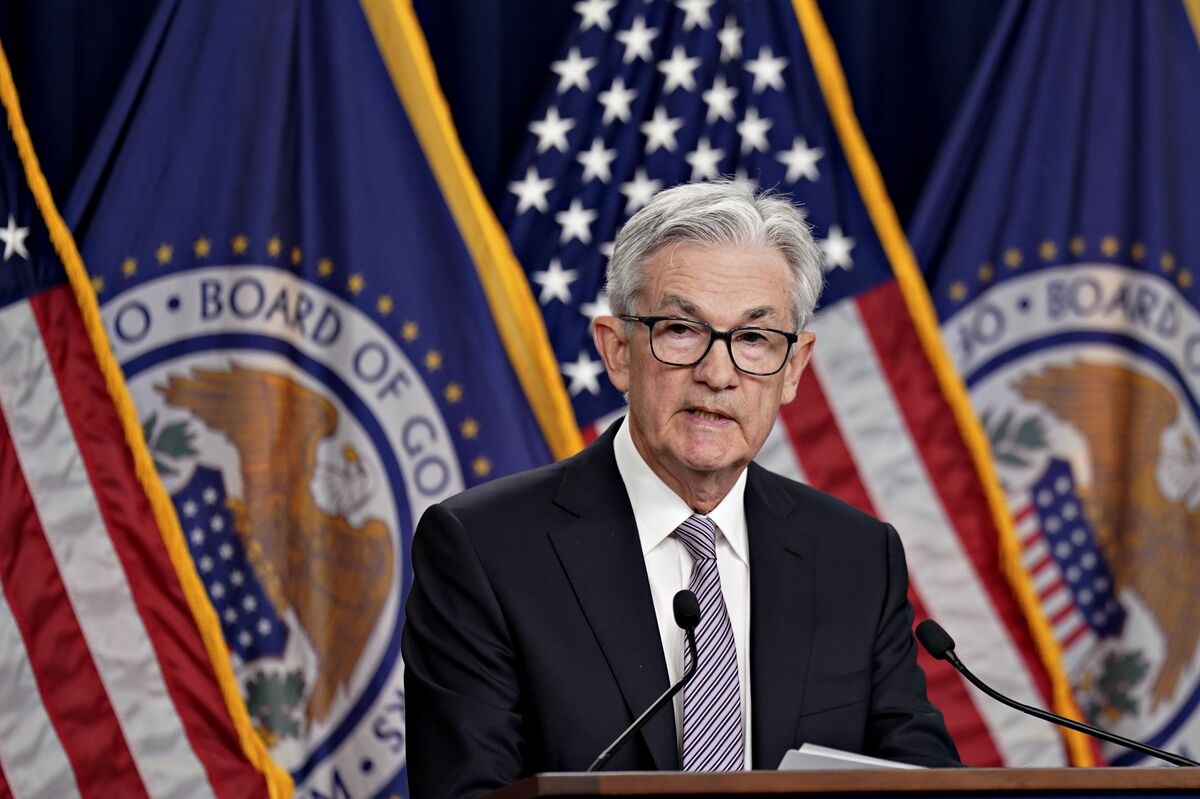
Fed Chair Jerome Powell has emphasized caution, noting the economy is in a “really good place” despite some softening, while new Governor Miran advocates for faster cuts to address labor risks.
Shift in Market-Implied Odds for an October Rate Cut
Markets gauge Fed expectations via the CME FedWatch Tool, which derives probabilities from 30-Day Fed Funds futures prices. Prior to the data release the odds of a 25 basis point (bp) cut at the October 28-29 FOMC meeting—bringing the target range to 3.75%-4.00%—stood at approximately 92%.
Post-release, these odds dropped to around 86%, with the probability of no change holding at 4.00%-4.25% rising to 14%. This adjustment reflects traders’ view that strong growth diminishes the case for immediate easing, though a cut remains the base case.

Some intraday futures pricing briefly showed a rebound to 87.7%, but the overall trend points to tempered expectations. U.S. indices S&P 500, Nasdaq, Dow opened lower on September 25, extending a three-day decline, as rate-cut hopes faded. Treasury yields rose 10-year at ~4.1%, pressuring bonds.
The USD strengthened, while gold dipped, as reduced easing prospects bolster the greenback. The September 17 cut first since December 2024 was a “risk management” move amid labor softening, but today’s data reinforces a data-dependent path. Projections suggest 50 bp total cuts by year-end, with December odds at ~60% for another 25 bp move.
The robust 3.0% GDP growth and resilient consumer spending 3.7% signal economic strength, reducing the urgency for immediate rate cuts. The Fed may opt to pause at the October 28-29 FOMC meeting to assess inflation trends core PCE at 2.9% vs. 2% target and labor market signals.
Fed Chair Powell’s cautious stance and the mixed signals from Fed officials such as Governor Miran’s push for faster cuts underscore a data-driven approach. Upcoming CPI released on September 26 and non-farm payrolls will be critical in shaping the December decision.

A pause could keep the fed funds rate at 4.00%-4.25%, potentially extending the timeline for reaching the projected “neutral” rate ~3% into 2026, especially if inflation remains sticky or tariffs emerge.
Strong economic data typically supports stocks, but the reduced likelihood of a cut has pressured indices like the S&P 500 and Nasdaq, which fell on September 25. Higher yields and a stronger USD could weigh on growth stocks, particularly tech, in the near term.
Treasury yields are rising as markets price in less aggressive easing. This could increase borrowing costs and dampen bond prices, impacting fixed-income portfolios. The USD’s strength post-data reduces appeal for gold and other commodities.
A stronger dollar may also pressure emerging markets with USD-denominated debt. Markets may see choppiness as traders recalibrate for a potential pause. The VIX could tick up if uncertainty around Fed moves grows.
Strong GDP and consumer spending bolster confidence, supporting retail and investment. However, sustained high rates could tighten financial conditions, raising borrowing costs for households and firms.
Persistent consumer strength and potential tariff policies could keep inflation above the Fed’s 2% target, complicating the path to easing. Low jobless claims suggest resilience, but any softening in upcoming jobs data could revive rate-cut bets, as the Fed prioritizes its dual mandate.
A stronger USD and higher U.S. yields could strain emerging markets, increasing debt servicing costs and capital outflows. Global central banks (e.g., ECB, BoJ) may also adjust policies in response to a less dovish Fed.
If tariff policies intensify, they could offset domestic growth benefits by raising costs, potentially forcing the Fed to balance growth and inflation risks more carefully. Investors may shift toward defensive sectors and away from rate-sensitive growth stocks.
Fixed-income strategies might favor shorter-duration bonds to mitigate yield risk. Expect Powell and other Fed speakers to emphasize caution, with markets parsing speeches for hints of a pause or continued cuts.
The Fed’s next moves hinge on inflation and labor data, with ripple effects across asset classes and global markets. While a pause in October isn’t the consensus, CPI release and jobs data could swing odds further. Investors should monitor for signs of “sticky” inflation or labor cracks, as the Fed navigates growth without overheating.