

Delta Flight Crash Passengers Offered $30,000 Compensation with No Legal Restrictions

Quote from Alex Bobby on February 20, 2025, 5:26 AM
Delta Airlines Crash in Toronto: All 80 Onboard Survive as Investigation Continues
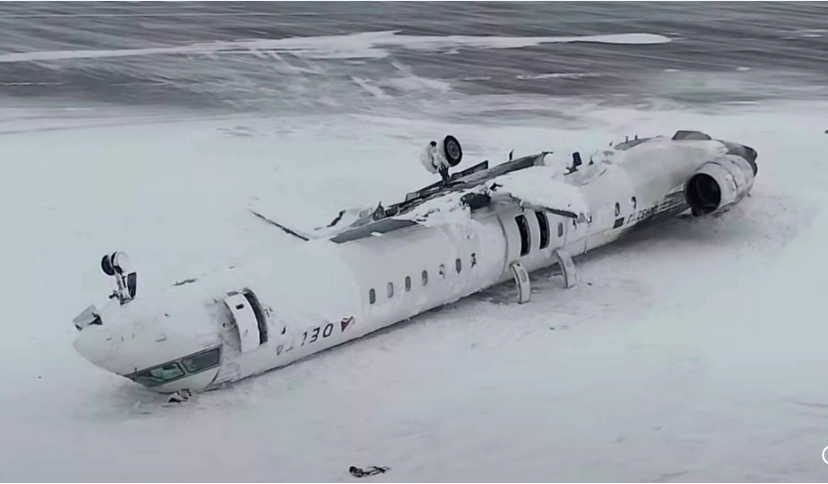
In a miraculous turn of events, all 80 passengers and crew members aboard Delta Airlines Flight 4819 survived after the aircraft crash-landed at Toronto Pearson International Airport on February 17. The flight, which burst into flames and flipped over upon landing, has prompted widespread investigation and discussions about aviation safety.
Delta Airlines Offers $30,000 Compensation to Passengers
Delta Airlines has responded swiftly by offering $30,000 (€28,760) in compensation to each of the 76 passengers onboard. A spokesperson for the airline confirmed that the financial offer comes with no legal strings attached, meaning passengers still retain the right to pursue legal action. Should all passengers accept the offer, Delta will pay nearly $2.3 million (€2.2 million) in total compensation.
Passengers Recount Their Harrowing Experience
Twenty-one passengers sustained injuries in the crash and were taken to local hospitals, with 20 already discharged. Eyewitness accounts and footage from the scene depict the aircraft making a hard landing, losing its right wing upon impact, and igniting in flames before skidding down the runway and flipping over.
Passenger John Nelson, who recorded the aftermath as he escaped the overturned plane, described the landing as extremely forceful. Pete Carlson, another passenger, recalled that the plane "went sideways" after touchdown. Carlson, who had his seatbelt fastened, found himself crashing onto the ceiling, which had become the floor, after unlatching his belt to evacuate. He described the scene as chaotic, with the smell of aviation fuel permeating the cabin.
What Caused the Delta Airlines Crash?
While the official cause of the crash remains under investigation, aviation experts have weighed in on possible factors. The Transportation Safety Board of Canada (TSB) is leading the inquiry, supported by the U.S. National Transportation Safety Board (NTSB).
Was Pilot Error a Factor?
Experts suggest that multiple elements could have contributed to the crash, including weather conditions, pilot actions, and potential mechanical failures.
Juan Browne, a commercial pilot and aviation analyst, pointed out that preliminary data suggests the aircraft did not flare before landing—a maneuver that slows the descent before touchdown. Instead, the plane appeared to have "driven straight into the runway," leading to the catastrophic landing. Despite this observation, communications between air traffic control and the flight crew were reportedly normal before landing.
Weather Conditions at the Time of the Crash
The incident occurred amid challenging weather conditions. Pearson International Airport was experiencing blowing snow and winds of 32 mph (51 kph), gusting up to 40 mph (65 kph). The temperature was approximately 16.5°F (-8.6°C). Aviation analyst Michael McCormick noted that such conditions reduce visibility and increase the complexity of landings, but added that modern aircraft and trained pilots are equipped to handle these challenges.
Investigators Examine Landing Gear and Crew Workload
Investigators are also focusing on the aircraft's landing gear to determine if a mechanical issue played a role. Additionally, they will evaluate staffing levels both in the cockpit and on the ground to ensure proper rest periods and alertness levels are maintained.
TSB Senior Investigator Ken Webster has emphasized that it is too early to determine the exact cause of the accident. The agency is currently analyzing the aircraft's wreckage, runway conditions, and flight data recorders.
Aviation Safety: Should Passengers Be Concerned?
Despite the dramatic crash, experts affirm that commercial aviation remains one of the safest modes of transportation. According to Jeff Guzzetti, a former FAA and NTSB investigator, the probability of being involved in a serious airline accident is significantly lower than that of a car accident.
However, concerns have been raised regarding recent trends in aviation safety. The Toronto crash marks the fourth major aviation accident in North America in recent weeks:
- On January 29, a commercial jetliner and an Army helicopter collided near Washington, D.C., killing 67 people.
- On January 31, a medical transport plane crashed in Philadelphia, resulting in seven fatalities.
- On February 6, a plane crash in Alaska claimed 10 lives.
While these incidents have reignited discussions on airline safety measures, Guzzetti reassures travelers that modern aircraft design and rigorous training significantly reduce risks. Innovations such as breakaway wings, fire-resistant materials, and reinforced seats capable of withstanding extreme forces have contributed to increased survival rates in crashes.
Looking Ahead: What Happens Next?
As investigators continue their probe into the Delta Flight 4819 crash, the airline has reiterated its commitment to cooperating fully with authorities. The findings of the investigation will likely lead to new recommendations to enhance aviation safety.
Passengers affected by the crash now face decisions regarding compensation and potential legal action. Meanwhile, the broader aviation industry will be closely watching the investigation's outcome to implement any necessary changes and prevent future incidents.
Final Thoughts
The survival of all 80 individuals aboard Delta Flight 4819 is a testament to advancements in aircraft safety and emergency preparedness. While the investigation is still in its early stages, this incident serves as a stark reminder of the challenges and risks associated with air travel.
For now, the aviation world waits for answers as authorities work to piece together the events leading up to the crash, ensuring that lessons learned can help improve air travel safety for everyone.
Delta Airlines Crash in Toronto: All 80 Onboard Survive as Investigation Continues
In a miraculous turn of events, all 80 passengers and crew members aboard Delta Airlines Flight 4819 survived after the aircraft crash-landed at Toronto Pearson International Airport on February 17. The flight, which burst into flames and flipped over upon landing, has prompted widespread investigation and discussions about aviation safety.
Delta Airlines Offers $30,000 Compensation to Passengers
Delta Airlines has responded swiftly by offering $30,000 (€28,760) in compensation to each of the 76 passengers onboard. A spokesperson for the airline confirmed that the financial offer comes with no legal strings attached, meaning passengers still retain the right to pursue legal action. Should all passengers accept the offer, Delta will pay nearly $2.3 million (€2.2 million) in total compensation.
Register for Tekedia Mini-MBA edition 20 (June 8 – Sept 5, 2026).
Register for Tekedia AI in Business Masterclass.
Join Tekedia Capital Syndicate and co-invest in great global startups.
Register for Tekedia AI Lab.
Passengers Recount Their Harrowing Experience
Twenty-one passengers sustained injuries in the crash and were taken to local hospitals, with 20 already discharged. Eyewitness accounts and footage from the scene depict the aircraft making a hard landing, losing its right wing upon impact, and igniting in flames before skidding down the runway and flipping over.
Passenger John Nelson, who recorded the aftermath as he escaped the overturned plane, described the landing as extremely forceful. Pete Carlson, another passenger, recalled that the plane "went sideways" after touchdown. Carlson, who had his seatbelt fastened, found himself crashing onto the ceiling, which had become the floor, after unlatching his belt to evacuate. He described the scene as chaotic, with the smell of aviation fuel permeating the cabin.
What Caused the Delta Airlines Crash?
While the official cause of the crash remains under investigation, aviation experts have weighed in on possible factors. The Transportation Safety Board of Canada (TSB) is leading the inquiry, supported by the U.S. National Transportation Safety Board (NTSB).

Was Pilot Error a Factor?
Experts suggest that multiple elements could have contributed to the crash, including weather conditions, pilot actions, and potential mechanical failures.
Juan Browne, a commercial pilot and aviation analyst, pointed out that preliminary data suggests the aircraft did not flare before landing—a maneuver that slows the descent before touchdown. Instead, the plane appeared to have "driven straight into the runway," leading to the catastrophic landing. Despite this observation, communications between air traffic control and the flight crew were reportedly normal before landing.
Weather Conditions at the Time of the Crash
The incident occurred amid challenging weather conditions. Pearson International Airport was experiencing blowing snow and winds of 32 mph (51 kph), gusting up to 40 mph (65 kph). The temperature was approximately 16.5°F (-8.6°C). Aviation analyst Michael McCormick noted that such conditions reduce visibility and increase the complexity of landings, but added that modern aircraft and trained pilots are equipped to handle these challenges.

Investigators Examine Landing Gear and Crew Workload
Investigators are also focusing on the aircraft's landing gear to determine if a mechanical issue played a role. Additionally, they will evaluate staffing levels both in the cockpit and on the ground to ensure proper rest periods and alertness levels are maintained.
TSB Senior Investigator Ken Webster has emphasized that it is too early to determine the exact cause of the accident. The agency is currently analyzing the aircraft's wreckage, runway conditions, and flight data recorders.
Aviation Safety: Should Passengers Be Concerned?
Despite the dramatic crash, experts affirm that commercial aviation remains one of the safest modes of transportation. According to Jeff Guzzetti, a former FAA and NTSB investigator, the probability of being involved in a serious airline accident is significantly lower than that of a car accident.
However, concerns have been raised regarding recent trends in aviation safety. The Toronto crash marks the fourth major aviation accident in North America in recent weeks:
- On January 29, a commercial jetliner and an Army helicopter collided near Washington, D.C., killing 67 people.
- On January 31, a medical transport plane crashed in Philadelphia, resulting in seven fatalities.
- On February 6, a plane crash in Alaska claimed 10 lives.
While these incidents have reignited discussions on airline safety measures, Guzzetti reassures travelers that modern aircraft design and rigorous training significantly reduce risks. Innovations such as breakaway wings, fire-resistant materials, and reinforced seats capable of withstanding extreme forces have contributed to increased survival rates in crashes.
Looking Ahead: What Happens Next?
As investigators continue their probe into the Delta Flight 4819 crash, the airline has reiterated its commitment to cooperating fully with authorities. The findings of the investigation will likely lead to new recommendations to enhance aviation safety.
Passengers affected by the crash now face decisions regarding compensation and potential legal action. Meanwhile, the broader aviation industry will be closely watching the investigation's outcome to implement any necessary changes and prevent future incidents.
Final Thoughts
The survival of all 80 individuals aboard Delta Flight 4819 is a testament to advancements in aircraft safety and emergency preparedness. While the investigation is still in its early stages, this incident serves as a stark reminder of the challenges and risks associated with air travel.
For now, the aviation world waits for answers as authorities work to piece together the events leading up to the crash, ensuring that lessons learned can help improve air travel safety for everyone.
Uploaded files:Share this:
- Click to share on Facebook (Opens in new window) Facebook
- Click to share on X (Opens in new window) X
- Click to share on WhatsApp (Opens in new window) WhatsApp
- Click to share on LinkedIn (Opens in new window) LinkedIn
- Click to email a link to a friend (Opens in new window) Email
- Click to print (Opens in new window) Print