

FBI Fires Agents for Kneeling at George Floyd Protest, Reports Claim

Quote from Alex Bobby on September 28, 2025, 2:49 AM
The FBI has reportedly fired several of its own agents who were photographed kneeling in solidarity with protesters during the 2020 demonstrations sparked by the murder of George Floyd, according to recent U.S. media reports. The move has ignited a heated debate over free expression, political impartiality in law enforcement, and the boundaries of personal conduct for government employees.
The terminations, which have not yet been publicly confirmed by the bureau itself, were revealed in coverage citing sources close to the matter. The FBI Agents Association, a professional organization representing thousands of current and former agents, condemned the alleged firings and argued that they represent a violation of the agents’ rights.
The Backdrop: George Floyd and a Global Reckoning
The death of George Floyd on May 25, 2020, beneath the knee of Minneapolis police officer Derek Chauvin, triggered an unprecedented wave of protests across the United States and the world. Millions marched under the banner of the Black Lives Matter movement, demanding police reform, racial justice, and accountability.
Law enforcement officers and federal agents were caught in a tense moment: tasked with maintaining public order during the protests while simultaneously being asked to reflect on their own roles in systemic issues. Across the country, some police officers and officials knelt with demonstrators as an act of solidarity, often drawing cheers from crowds but criticism from others who saw such gestures as inappropriate for uniformed officers.
Agents Kneeling—and the Consequences
It is within this context that a small number of FBI agents reportedly took part in the symbolic act of kneeling. Images circulated on social media showing agents in FBI attire, visibly participating in moments of protest. According to media accounts, those photos ultimately triggered internal scrutiny.
Now, years later, the alleged firing of these agents has resurfaced as a flashpoint. The precise number of individuals dismissed is unclear, as is whether the bureau issued official explanations for the decisions. Critics suggest the firings may reflect a broader institutional discomfort with any appearance of political bias, while supporters argue the gesture could compromise the FBI’s perceived neutrality.
The FBI Agents Association Pushes Back
The FBI Agents Association (FBIAA) released a statement expressing outrage at the reported firings, calling them an “overreach” and a “betrayal of the values agents uphold.” The organization insists that kneeling during a protest is an act of personal expression, not a political endorsement.
“The agents who knelt did so as human beings responding to a moment of profound national pain,” the statement read, according to reporting. “Punishing them for this act not only chills free expression but undermines morale within the bureau.”
The group further suggested that the firings risk alienating rank-and-file agents who already face intense scrutiny and pressure in their daily work.
The Neutrality Question
At the heart of the issue is a fundamental question: how should federal law enforcement officers navigate the tension between their professional obligation to remain impartial and their individual rights as citizens?
The FBI, like other federal agencies, has strict guidelines meant to prevent employees from engaging in political activity while on duty. The rules are designed to preserve the appearance and reality of neutrality. Even gestures intended as humanitarian—such as kneeling in response to a plea for justice—can be perceived by some as aligning with a political movement.
Defenders of the firings argue that agents must uphold the bureau’s impartial reputation. If FBI personnel are seen as supporting one side of a heated political debate, critics say, it could jeopardize public trust in their investigations and decisions.
But opponents counter that equating a simple, silent act of kneeling with partisanship misses the larger picture. They argue the gesture was not about endorsing a political party but acknowledging grief and injustice. To punish agents for that expression, they say, undermines the very values of justice the FBI is meant to protect.
A Chilling Effect?
Civil liberties advocates have also weighed in, warning that punishing symbolic acts like kneeling could have a chilling effect on free speech within government agencies. The American Civil Liberties Union has previously argued that public employees do not forfeit all First Amendment protections simply by virtue of their jobs, though the courts have historically given government employers latitude in disciplining conduct that undermines workplace effectiveness.
For agents working in an environment where decisions can have immense political implications, the boundaries are especially fraught. Unlike private citizens, FBI employees carry an extra burden: their actions are often scrutinized for signs of political motivation, even in personal contexts.
Public and Political Reaction
The alleged firings come at a moment when the FBI is under sustained political attack from multiple sides. Conservatives have accused the bureau of bias in high-profile investigations, while progressives have long criticized its surveillance practices and handling of civil rights issues. Against that backdrop, news that agents were fired for kneeling has inflamed passions across the political spectrum.
Some commentators see the move as evidence of overreach, portraying it as part of a culture of rigid conformity within the bureau. Others, however, insist that law enforcement cannot afford even symbolic actions that might cast doubt on its objectivity.
What Comes Next
For now, the FBI has not publicly confirmed or denied the reports of terminations. Whether the bureau eventually addresses the issue openly remains to be seen. If the firings are confirmed, legal challenges could follow, particularly if the agents or the FBI Agents Association pursue claims of wrongful termination or constitutional violations.
The controversy underscores the difficult balance law enforcement agencies face in moments of national upheaval. How much room should be given for individual expression, particularly when agents are off duty or acting from conscience? And where is the line between solidarity and perceived partisanship?
Looking Forward
As the FBI faces mounting questions about the reported firings, the broader implications are likely to ripple far beyond the bureau itself. If confirmed, the decisions could trigger legal challenges, renewed scrutiny of employee rights within federal agencies, and a deeper debate over how law enforcement balances neutrality with humanity. At the same time, the controversy may prompt policymakers, advocacy groups, and the public to reconsider what accountability and impartiality should look like in moments of national crisis. How the FBI chooses to address this episode—whether with transparency, reform, or silence—will shape not only its internal culture but also its fragile relationship with the American people.
Final Thoughts
The reported firing off FBI agents who knelt during George Floyd protests has rekindled a debate that has been simmering since 2020. It highlights the contradictions and tensions at the heart of American law enforcement: the desire for neutrality versus the human need to respond to injustice.
If confirmed, the terminations will likely serve as a test case for how far agencies are willing to go in policing the personal expression of their own employees. At the same time, they serve as a reminder that even silent gestures can carry heavy consequences—especially when made in the uniforms of America’s most powerful law enforcement agency.
Conclusion
In the end, the alleged firing of FBI agents for kneeling during the George Floyd protests is more than just an internal disciplinary matter—it is a reflection of America’s broader struggle to reconcile justice, free expression, and institutional neutrality. Whether viewed as a necessary safeguard of the bureau’s impartiality or as an overreach that punishes humanity, the decision highlights the uneasy line federal agents must walk between duty and conscience. As the debate unfolds, it will test not only the FBI’s internal culture but also the nation’s expectations of how its institutions respond to moments of collective grief and calls for change.
Meta Description
Reports say the FBI fired agents pictured kneeling at George Floyd protests. The FBI Agents Association calls the move a violation of their rights.
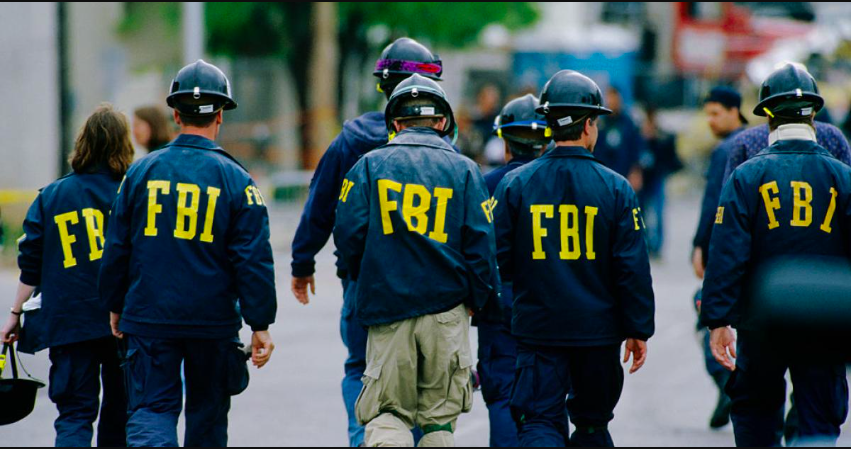
The FBI has reportedly fired several of its own agents who were photographed kneeling in solidarity with protesters during the 2020 demonstrations sparked by the murder of George Floyd, according to recent U.S. media reports. The move has ignited a heated debate over free expression, political impartiality in law enforcement, and the boundaries of personal conduct for government employees.
The terminations, which have not yet been publicly confirmed by the bureau itself, were revealed in coverage citing sources close to the matter. The FBI Agents Association, a professional organization representing thousands of current and former agents, condemned the alleged firings and argued that they represent a violation of the agents’ rights.
The Backdrop: George Floyd and a Global Reckoning
Register for Tekedia Mini-MBA edition 20 (June 8 – Sept 5, 2026).
Register for Tekedia AI in Business Masterclass.
Join Tekedia Capital Syndicate and co-invest in great global startups.
Register for Tekedia AI Lab.
The death of George Floyd on May 25, 2020, beneath the knee of Minneapolis police officer Derek Chauvin, triggered an unprecedented wave of protests across the United States and the world. Millions marched under the banner of the Black Lives Matter movement, demanding police reform, racial justice, and accountability.
Law enforcement officers and federal agents were caught in a tense moment: tasked with maintaining public order during the protests while simultaneously being asked to reflect on their own roles in systemic issues. Across the country, some police officers and officials knelt with demonstrators as an act of solidarity, often drawing cheers from crowds but criticism from others who saw such gestures as inappropriate for uniformed officers.
Agents Kneeling—and the Consequences

It is within this context that a small number of FBI agents reportedly took part in the symbolic act of kneeling. Images circulated on social media showing agents in FBI attire, visibly participating in moments of protest. According to media accounts, those photos ultimately triggered internal scrutiny.
Now, years later, the alleged firing of these agents has resurfaced as a flashpoint. The precise number of individuals dismissed is unclear, as is whether the bureau issued official explanations for the decisions. Critics suggest the firings may reflect a broader institutional discomfort with any appearance of political bias, while supporters argue the gesture could compromise the FBI’s perceived neutrality.
The FBI Agents Association Pushes Back

The FBI Agents Association (FBIAA) released a statement expressing outrage at the reported firings, calling them an “overreach” and a “betrayal of the values agents uphold.” The organization insists that kneeling during a protest is an act of personal expression, not a political endorsement.
“The agents who knelt did so as human beings responding to a moment of profound national pain,” the statement read, according to reporting. “Punishing them for this act not only chills free expression but undermines morale within the bureau.”
The group further suggested that the firings risk alienating rank-and-file agents who already face intense scrutiny and pressure in their daily work.
The Neutrality Question
At the heart of the issue is a fundamental question: how should federal law enforcement officers navigate the tension between their professional obligation to remain impartial and their individual rights as citizens?
The FBI, like other federal agencies, has strict guidelines meant to prevent employees from engaging in political activity while on duty. The rules are designed to preserve the appearance and reality of neutrality. Even gestures intended as humanitarian—such as kneeling in response to a plea for justice—can be perceived by some as aligning with a political movement.
Defenders of the firings argue that agents must uphold the bureau’s impartial reputation. If FBI personnel are seen as supporting one side of a heated political debate, critics say, it could jeopardize public trust in their investigations and decisions.
But opponents counter that equating a simple, silent act of kneeling with partisanship misses the larger picture. They argue the gesture was not about endorsing a political party but acknowledging grief and injustice. To punish agents for that expression, they say, undermines the very values of justice the FBI is meant to protect.
A Chilling Effect?
Civil liberties advocates have also weighed in, warning that punishing symbolic acts like kneeling could have a chilling effect on free speech within government agencies. The American Civil Liberties Union has previously argued that public employees do not forfeit all First Amendment protections simply by virtue of their jobs, though the courts have historically given government employers latitude in disciplining conduct that undermines workplace effectiveness.
For agents working in an environment where decisions can have immense political implications, the boundaries are especially fraught. Unlike private citizens, FBI employees carry an extra burden: their actions are often scrutinized for signs of political motivation, even in personal contexts.
Public and Political Reaction
The alleged firings come at a moment when the FBI is under sustained political attack from multiple sides. Conservatives have accused the bureau of bias in high-profile investigations, while progressives have long criticized its surveillance practices and handling of civil rights issues. Against that backdrop, news that agents were fired for kneeling has inflamed passions across the political spectrum.
Some commentators see the move as evidence of overreach, portraying it as part of a culture of rigid conformity within the bureau. Others, however, insist that law enforcement cannot afford even symbolic actions that might cast doubt on its objectivity.
What Comes Next
For now, the FBI has not publicly confirmed or denied the reports of terminations. Whether the bureau eventually addresses the issue openly remains to be seen. If the firings are confirmed, legal challenges could follow, particularly if the agents or the FBI Agents Association pursue claims of wrongful termination or constitutional violations.
The controversy underscores the difficult balance law enforcement agencies face in moments of national upheaval. How much room should be given for individual expression, particularly when agents are off duty or acting from conscience? And where is the line between solidarity and perceived partisanship?
Looking Forward
As the FBI faces mounting questions about the reported firings, the broader implications are likely to ripple far beyond the bureau itself. If confirmed, the decisions could trigger legal challenges, renewed scrutiny of employee rights within federal agencies, and a deeper debate over how law enforcement balances neutrality with humanity. At the same time, the controversy may prompt policymakers, advocacy groups, and the public to reconsider what accountability and impartiality should look like in moments of national crisis. How the FBI chooses to address this episode—whether with transparency, reform, or silence—will shape not only its internal culture but also its fragile relationship with the American people.
Final Thoughts
The reported firing off FBI agents who knelt during George Floyd protests has rekindled a debate that has been simmering since 2020. It highlights the contradictions and tensions at the heart of American law enforcement: the desire for neutrality versus the human need to respond to injustice.
If confirmed, the terminations will likely serve as a test case for how far agencies are willing to go in policing the personal expression of their own employees. At the same time, they serve as a reminder that even silent gestures can carry heavy consequences—especially when made in the uniforms of America’s most powerful law enforcement agency.
Conclusion
In the end, the alleged firing of FBI agents for kneeling during the George Floyd protests is more than just an internal disciplinary matter—it is a reflection of America’s broader struggle to reconcile justice, free expression, and institutional neutrality. Whether viewed as a necessary safeguard of the bureau’s impartiality or as an overreach that punishes humanity, the decision highlights the uneasy line federal agents must walk between duty and conscience. As the debate unfolds, it will test not only the FBI’s internal culture but also the nation’s expectations of how its institutions respond to moments of collective grief and calls for change.
Meta Description
Reports say the FBI fired agents pictured kneeling at George Floyd protests. The FBI Agents Association calls the move a violation of their rights.
Uploaded files:Share this:
- Click to share on Facebook (Opens in new window) Facebook
- Click to share on X (Opens in new window) X
- Click to share on WhatsApp (Opens in new window) WhatsApp
- Click to share on LinkedIn (Opens in new window) LinkedIn
- Click to email a link to a friend (Opens in new window) Email
- Click to print (Opens in new window) Print