

Presidents Day: How a Tribute to Washington Became a Shopping Extravaganza

Quote from Alex Bobby on February 17, 2025, 2:49 AM
Presidents Day: A Holiday That Lost Its Meaning?
Every year on the third Monday of February, the United States commemorates its first president, George Washington, with what is officially known as Washington’s Birthday. However, what started as a tribute to a founding father has evolved into a nationwide shopping event, with its original intent largely overshadowed by commercialism. Presidents Day, as it is commonly known, has undergone a significant transformation since its inception.
Washington’s Reluctance to Celebrate Himself
George Washington, like many of his contemporaries, was wary of being celebrated like a monarch. Born on February 22, 1732, in Virginia’s Popes Creek Plantation, Washington was a leader of a new republic, not a king. Records indicate that he rarely acknowledged his birthday and preferred to spend it working. According to historian Alexis Coe, Washington likely would have opted for a quiet evening with close family and friends, rather than a grand celebration. His diary contains little mention of birthday festivities, underscoring his reserved nature.
Despite Washington’s reluctance, his colleagues in government did commemorate his birthday during his presidency. Congress would typically take a short break to honor him, but this tradition faded as political divisions grew. By his last birthday in office, celebrations had ceased as partisanship took hold, reflecting growing discontent with his policies.
The Birth of a National Tribute
Washington’s death in 1799 led to a surge in public admiration, with a market for memorabilia quickly emerging. Americans purchased pottery, etchings, and other keepsakes depicting him as a divine figure. This early intersection of patriotism and consumerism set the stage for how Washington’s legacy would be remembered in the centuries to come.
It wasn’t until the centennial of his birth in 1832 that Congress formally organized national parades and festivals in his honor. The momentum continued, and in 1879, Washington’s Birthday was officially designated as a federal holiday, initially limited to government employees in Washington, D.C. Over time, the observance extended nationwide, solidifying his place in American civic tradition.
The Evolution of Presidents Day
While the holiday was originally dedicated solely to Washington, its meaning shifted in the 20th century. Given that President Abraham Lincoln’s birthday falls on February 12, some states began to honor him as well. Illinois, for example, still recognizes Lincoln’s birthday as a state holiday. Over time, a growing movement pushed for a more inclusive holiday that would celebrate all U.S. presidents.
The most significant change came in 1971 with the passage of the Uniform Monday Holiday Act. This law moved several federal holidays to Mondays, creating more three-day weekends and boosting economic activity. Washington’s Birthday was shifted to the third Monday of February, and soon after, retailers capitalized on the occasion by launching massive sales events. The holiday became widely known as Presidents Day, despite the federal designation remaining unchanged.
From Reflection to Consumerism
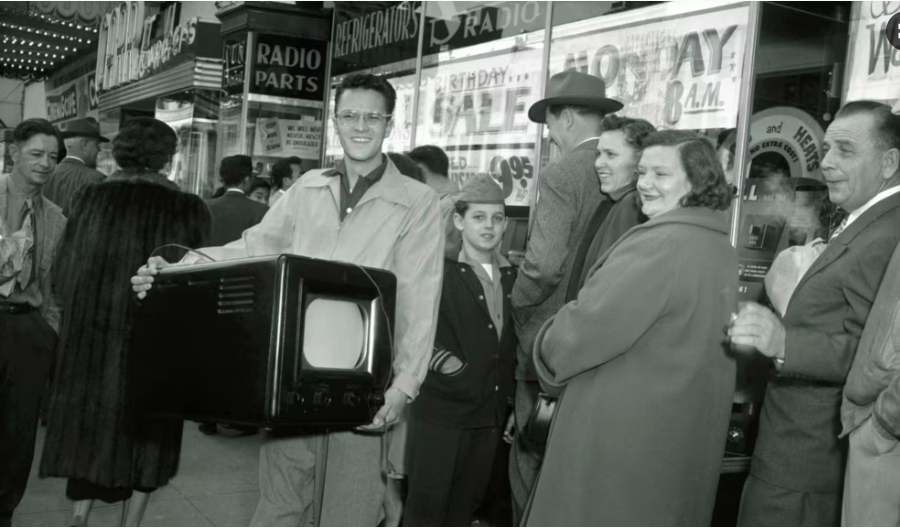
The commercialization of Presidents Day has led many historians to argue that it has lost its original meaning. According to historian C.L. Arbelbide, the move to a Monday holiday played a crucial role in transforming the day from a moment of national reflection into a shopping extravaganza. Today, Presidents Day is synonymous with discounted appliances, furniture sales, and weekend getaways rather than a tribute to Washington’s legacy.
Historians like Seth Bruggeman believe that Washington and the Founding Fathers would be troubled by this shift. Many of them were wary of the power of corporations, viewing them as potential threats to the republic. Washington, in particular, was deeply conscious of how he was perceived and resisted any actions that would liken him to European monarchs.
Does Presidents Day Still Matter?
With no national traditions tied to the holiday, Presidents Day lacks the reflective component found in holidays like Independence Day or Memorial Day. Historian Alexis Coe argues that while the day could serve as an opportunity for civic reflection, it largely fails to do so. “There’s no moment of reflection,” she says, suggesting that a deeper consideration of presidential leadership could be beneficial in today’s political climate.
Despite its evolution, Presidents Day remains an important holiday, if only for its potential to encourage Americans to revisit the legacies of Washington, Lincoln, and other leaders. Whether through museum visits, historical documentaries, or simply reading about the nation’s past, the day offers an opportunity to engage with history beyond the confines of retail sales.
Conclusion
Presidents Day, once a solemn tribute to George Washington, has become a commercialized event, with its historical significance fading into the background. While Washington himself resisted grand celebrations, his legacy remains fundamental to American history. As the holiday continues to evolve, it raises questions about how the nation chooses to remember its leaders—and whether the opportunity for genuine reflection will ever return.
Presidents Day: A Holiday That Lost Its Meaning?
Every year on the third Monday of February, the United States commemorates its first president, George Washington, with what is officially known as Washington’s Birthday. However, what started as a tribute to a founding father has evolved into a nationwide shopping event, with its original intent largely overshadowed by commercialism. Presidents Day, as it is commonly known, has undergone a significant transformation since its inception.
Washington’s Reluctance to Celebrate Himself
George Washington, like many of his contemporaries, was wary of being celebrated like a monarch. Born on February 22, 1732, in Virginia’s Popes Creek Plantation, Washington was a leader of a new republic, not a king. Records indicate that he rarely acknowledged his birthday and preferred to spend it working. According to historian Alexis Coe, Washington likely would have opted for a quiet evening with close family and friends, rather than a grand celebration. His diary contains little mention of birthday festivities, underscoring his reserved nature.
Register for Tekedia Mini-MBA edition 20 (June 8 – Sept 5, 2026).
Register for Tekedia AI in Business Masterclass.
Join Tekedia Capital Syndicate and co-invest in great global startups.
Register for Tekedia AI Lab.
Despite Washington’s reluctance, his colleagues in government did commemorate his birthday during his presidency. Congress would typically take a short break to honor him, but this tradition faded as political divisions grew. By his last birthday in office, celebrations had ceased as partisanship took hold, reflecting growing discontent with his policies.
The Birth of a National Tribute
Washington’s death in 1799 led to a surge in public admiration, with a market for memorabilia quickly emerging. Americans purchased pottery, etchings, and other keepsakes depicting him as a divine figure. This early intersection of patriotism and consumerism set the stage for how Washington’s legacy would be remembered in the centuries to come.
It wasn’t until the centennial of his birth in 1832 that Congress formally organized national parades and festivals in his honor. The momentum continued, and in 1879, Washington’s Birthday was officially designated as a federal holiday, initially limited to government employees in Washington, D.C. Over time, the observance extended nationwide, solidifying his place in American civic tradition.

The Evolution of Presidents Day
While the holiday was originally dedicated solely to Washington, its meaning shifted in the 20th century. Given that President Abraham Lincoln’s birthday falls on February 12, some states began to honor him as well. Illinois, for example, still recognizes Lincoln’s birthday as a state holiday. Over time, a growing movement pushed for a more inclusive holiday that would celebrate all U.S. presidents.
The most significant change came in 1971 with the passage of the Uniform Monday Holiday Act. This law moved several federal holidays to Mondays, creating more three-day weekends and boosting economic activity. Washington’s Birthday was shifted to the third Monday of February, and soon after, retailers capitalized on the occasion by launching massive sales events. The holiday became widely known as Presidents Day, despite the federal designation remaining unchanged.
From Reflection to Consumerism
The commercialization of Presidents Day has led many historians to argue that it has lost its original meaning. According to historian C.L. Arbelbide, the move to a Monday holiday played a crucial role in transforming the day from a moment of national reflection into a shopping extravaganza. Today, Presidents Day is synonymous with discounted appliances, furniture sales, and weekend getaways rather than a tribute to Washington’s legacy.

Historians like Seth Bruggeman believe that Washington and the Founding Fathers would be troubled by this shift. Many of them were wary of the power of corporations, viewing them as potential threats to the republic. Washington, in particular, was deeply conscious of how he was perceived and resisted any actions that would liken him to European monarchs.
Does Presidents Day Still Matter?
With no national traditions tied to the holiday, Presidents Day lacks the reflective component found in holidays like Independence Day or Memorial Day. Historian Alexis Coe argues that while the day could serve as an opportunity for civic reflection, it largely fails to do so. “There’s no moment of reflection,” she says, suggesting that a deeper consideration of presidential leadership could be beneficial in today’s political climate.
Despite its evolution, Presidents Day remains an important holiday, if only for its potential to encourage Americans to revisit the legacies of Washington, Lincoln, and other leaders. Whether through museum visits, historical documentaries, or simply reading about the nation’s past, the day offers an opportunity to engage with history beyond the confines of retail sales.
Conclusion
Presidents Day, once a solemn tribute to George Washington, has become a commercialized event, with its historical significance fading into the background. While Washington himself resisted grand celebrations, his legacy remains fundamental to American history. As the holiday continues to evolve, it raises questions about how the nation chooses to remember its leaders—and whether the opportunity for genuine reflection will ever return.
Uploaded files:Share this:
- Click to share on Facebook (Opens in new window) Facebook
- Click to share on X (Opens in new window) X
- Click to share on WhatsApp (Opens in new window) WhatsApp
- Click to share on LinkedIn (Opens in new window) LinkedIn
- Click to email a link to a friend (Opens in new window) Email
- Click to print (Opens in new window) Print