

Venezuelan Opposition Leader María Corina Machado Emerges in Oslo After Months in Hiding to Accept Nobel Peace Prize

Quote from Alex Bobby on December 11, 2025, 7:21 AM
Venezuelan Nobel Winner Emerges in Oslo After Months in Hiding
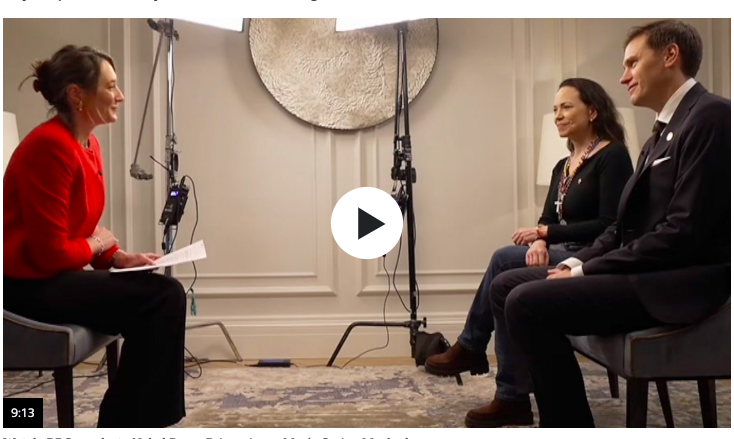
In a dramatic and emotional appearance that captured global attention, Venezuelan opposition leader María Corina Machado resurfaced publicly for the first time in months as she arrived in Oslo to collect her Nobel Peace Prize. The 58-year-old politician, who has been living in hiding since January, told the BBC she understands “exactly the risks” she is taking by traveling to Norway—risking arrest, persecution, and even possible imprisonment if she returns home.
Machado’s sudden emergence in the Norwegian capital marks a significant moment for Venezuela’s pro-democracy movement and for Machado herself, whose political career has been defined by defiance in the face of state repression. Her decision to travel—despite a government-imposed travel ban and threats that she would be labeled a fugitive—has stunned both supporters and critics, highlighting the intense political stakes surrounding her award.
The Nobel Committee recognized Machado for what it described as her “relentless commitment to democratic principles, nonviolent resistance, and the defence of human rights in Venezuela.” Her appearance in Oslo, made quietly and under the cover of darkness, demonstrated just how perilous that commitment has become.
A Secret Journey Under Extraordinary Circumstances
According to those close to her, Machado’s journey to Norway required strict secrecy, careful planning, and discreet support from foreign allies. With the Venezuelan government tightening surveillance on opposition figures, Machado’s departure from the country had been considered nearly impossible. Yet she arrived in Oslo unexpectedly, stepping into public view shortly after midnight.
Waving from the balcony of a hotel in central Oslo, Machado was greeted by a crowd of supporters who had gathered outside the Grand Hotel. Many had waited for hours in cold weather hoping she would appear. When she finally stepped out, she blew kisses, placed her hand on her heart, and joined them in singing.
For a leader who had been forced into silence and invisibility for nearly a year, it was a moment of profound emotion—an affirmation not only of survival but of resolve.
Observers also noted that her appearance coincided with the opening days of the Nobel ceremony schedule, raising questions about what diplomatic protections, if any, she might receive while in Norway. The Venezuelan government has publicly warned that Machado’s travel violates the law and that she could face serious consequences upon return.
Why Machado Has Been in Hiding
Machado has long been one of Venezuela’s most outspoken critics of President Nicolás Maduro. As a central figure in the opposition movement, she has consistently condemned government corruption, electoral manipulation, and human rights abuses.
Her growing popularity—combined with her calls for democratic reforms—has made her a target of state pressure. Earlier this year, the government imposed a travel ban on her and hinted at possible criminal charges. In January, following a surge in political tensions, Machado went into hiding to avoid arrest.
For months, her whereabouts were unknown. Opposition allies spoke of constant threats, surveillance, and attempts to intimidate anyone connected to her movement. Her decision to attend the Nobel ceremony thus represents a direct challenge to the state’s attempt to sideline her.
Speaking to the BBC, she described the personal risk but emphasized her sense of responsibility to Venezuelans. “This prize is not about me,” she said. “It belongs to a people who have resisted in the face of unbelievable hardship.”
Symbolism in Oslo
Machado’s appearance in Oslo carries symbolic weight far beyond the Nobel stage. It reflects both the global recognition of Venezuela’s pro-democracy struggle and the increasingly fragile state of freedoms within the country.
Her public sighting sent a powerful message to supporters: she remains active, committed, and unwilling to be silenced. For Venezuelans watching from home—and for the diaspora spread across Latin America and Europe—her brief moment on the balcony was more than just a celebration. It was a reminder that their movement continues, even under enormous pressure.
Norway has played a key role as a mediator in past Venezuelan political negotiations, and Machado’s presence there raises speculation about whether new talks may emerge. For now, however, the focus remains largely on her safety and the political fallout that may follow.
A Nation Watching Closely
In Caracas, government officials have maintained that Machado is violating national law and could face prosecution. Meanwhile, opposition groups have praised her courage, framing her trip as a moral victory despite the danger.
International observers are now watching closely to see what will happen when Machado returns home—or whether she will attempt to remain abroad until conditions improve. Her supporters insist she will not abandon Venezuela, but the risks associated with her return are significant.
Conclusion
María Corina Machado’s clandestine journey from hiding to the Nobel stage is a powerful testament to the resilience of Venezuela’s democratic movement. Her reappearance in Oslo, under the shadow of a travel ban and government threats, underscores both her personal courage and the political crisis gripping her country. As she receives one of the world’s highest honors, the fate awaiting her upon return remains uncertain—but her message is unmistakable: she refuses to be silenced.
Final Thought
Machado’s moment on the balcony in Oslo may have lasted only minutes, but its impact will echo far longer. In a nation where fear often dictates silence, her defiance offers something rare and precious: hope.
Meta Description
Venezuelan opposition leader María Corina Machado emerges in Oslo after months in hiding to collect her Nobel Peace Prize, defying a travel ban and government threats in an emotional appearance that has captured global attention.
Venezuelan Nobel Winner Emerges in Oslo After Months in Hiding
In a dramatic and emotional appearance that captured global attention, Venezuelan opposition leader María Corina Machado resurfaced publicly for the first time in months as she arrived in Oslo to collect her Nobel Peace Prize. The 58-year-old politician, who has been living in hiding since January, told the BBC she understands “exactly the risks” she is taking by traveling to Norway—risking arrest, persecution, and even possible imprisonment if she returns home.
Machado’s sudden emergence in the Norwegian capital marks a significant moment for Venezuela’s pro-democracy movement and for Machado herself, whose political career has been defined by defiance in the face of state repression. Her decision to travel—despite a government-imposed travel ban and threats that she would be labeled a fugitive—has stunned both supporters and critics, highlighting the intense political stakes surrounding her award.
Register for Tekedia Mini-MBA edition 20 (June 8 – Sept 5, 2026).
Register for Tekedia AI in Business Masterclass.
Join Tekedia Capital Syndicate and co-invest in great global startups.
Register for Tekedia AI Lab.
The Nobel Committee recognized Machado for what it described as her “relentless commitment to democratic principles, nonviolent resistance, and the defence of human rights in Venezuela.” Her appearance in Oslo, made quietly and under the cover of darkness, demonstrated just how perilous that commitment has become.
A Secret Journey Under Extraordinary Circumstances
According to those close to her, Machado’s journey to Norway required strict secrecy, careful planning, and discreet support from foreign allies. With the Venezuelan government tightening surveillance on opposition figures, Machado’s departure from the country had been considered nearly impossible. Yet she arrived in Oslo unexpectedly, stepping into public view shortly after midnight.

Waving from the balcony of a hotel in central Oslo, Machado was greeted by a crowd of supporters who had gathered outside the Grand Hotel. Many had waited for hours in cold weather hoping she would appear. When she finally stepped out, she blew kisses, placed her hand on her heart, and joined them in singing.
For a leader who had been forced into silence and invisibility for nearly a year, it was a moment of profound emotion—an affirmation not only of survival but of resolve.
Observers also noted that her appearance coincided with the opening days of the Nobel ceremony schedule, raising questions about what diplomatic protections, if any, she might receive while in Norway. The Venezuelan government has publicly warned that Machado’s travel violates the law and that she could face serious consequences upon return.

Why Machado Has Been in Hiding
Machado has long been one of Venezuela’s most outspoken critics of President Nicolás Maduro. As a central figure in the opposition movement, she has consistently condemned government corruption, electoral manipulation, and human rights abuses.
Her growing popularity—combined with her calls for democratic reforms—has made her a target of state pressure. Earlier this year, the government imposed a travel ban on her and hinted at possible criminal charges. In January, following a surge in political tensions, Machado went into hiding to avoid arrest.
For months, her whereabouts were unknown. Opposition allies spoke of constant threats, surveillance, and attempts to intimidate anyone connected to her movement. Her decision to attend the Nobel ceremony thus represents a direct challenge to the state’s attempt to sideline her.
Speaking to the BBC, she described the personal risk but emphasized her sense of responsibility to Venezuelans. “This prize is not about me,” she said. “It belongs to a people who have resisted in the face of unbelievable hardship.”
Symbolism in Oslo
Machado’s appearance in Oslo carries symbolic weight far beyond the Nobel stage. It reflects both the global recognition of Venezuela’s pro-democracy struggle and the increasingly fragile state of freedoms within the country.
Her public sighting sent a powerful message to supporters: she remains active, committed, and unwilling to be silenced. For Venezuelans watching from home—and for the diaspora spread across Latin America and Europe—her brief moment on the balcony was more than just a celebration. It was a reminder that their movement continues, even under enormous pressure.
Norway has played a key role as a mediator in past Venezuelan political negotiations, and Machado’s presence there raises speculation about whether new talks may emerge. For now, however, the focus remains largely on her safety and the political fallout that may follow.
A Nation Watching Closely
In Caracas, government officials have maintained that Machado is violating national law and could face prosecution. Meanwhile, opposition groups have praised her courage, framing her trip as a moral victory despite the danger.
International observers are now watching closely to see what will happen when Machado returns home—or whether she will attempt to remain abroad until conditions improve. Her supporters insist she will not abandon Venezuela, but the risks associated with her return are significant.
Conclusion
María Corina Machado’s clandestine journey from hiding to the Nobel stage is a powerful testament to the resilience of Venezuela’s democratic movement. Her reappearance in Oslo, under the shadow of a travel ban and government threats, underscores both her personal courage and the political crisis gripping her country. As she receives one of the world’s highest honors, the fate awaiting her upon return remains uncertain—but her message is unmistakable: she refuses to be silenced.
Final Thought
Machado’s moment on the balcony in Oslo may have lasted only minutes, but its impact will echo far longer. In a nation where fear often dictates silence, her defiance offers something rare and precious: hope.
Meta Description
Venezuelan opposition leader María Corina Machado emerges in Oslo after months in hiding to collect her Nobel Peace Prize, defying a travel ban and government threats in an emotional appearance that has captured global attention.
Uploaded files:Share this:
- Click to share on Facebook (Opens in new window) Facebook
- Click to share on X (Opens in new window) X
- Click to share on WhatsApp (Opens in new window) WhatsApp
- Click to share on LinkedIn (Opens in new window) LinkedIn
- Click to email a link to a friend (Opens in new window) Email
- Click to print (Opens in new window) Print