

Why the US Government Has Shut Down and What It Means for Americans

Quote from Alex Bobby on October 1, 2025, 9:10 AM
Why the US Government Has Shut Down – and What Happens Now
The United States government has once again found itself in the grip of a shutdown, a political standoff that has left Americans questioning how the world’s largest democracy manages its finances. Funding for the federal government has been cut off after President Donald Trump’s Republican Party failed to agree with opposition Democrats on a spending bill. While government shutdowns are not new in Washington, this one feels especially charged, as it reflects not only the deep partisan divides but also the administration’s broader agenda of reshaping the role of government itself.
How Did We Get Here?
The immediate cause of the shutdown lies in the failure of lawmakers to pass a spending bill to keep government agencies funded. In the United States, the budget process requires Congress to approve appropriations to pay for government operations. Without this legal authority, agencies cannot spend money, and many are forced to close their doors.
This year, negotiations collapsed over several sticking points. Democrats demanded protections for “Dreamers” – young undocumented immigrants brought to the US as children – and additional assurances on healthcare funding. Republicans, under President Trump’s leadership, insisted on increased border security spending, including money for the controversial wall along the US-Mexico border. Both sides dug in their heels, and as the deadline expired, funding lapsed.
President Trump, who campaigned on promises of disrupting the status quo, has played a central role in the impasse. For months, he has signaled that a shutdown might not be such a bad outcome, suggesting it could create the leverage needed to force through his policy priorities. With his administration already cutting back on regulations and shrinking federal programs, some see this standoff as part of a larger strategy to reduce the size of government.
What Shuts Down – and What Stays Open?
A government shutdown does not mean that the United States comes to a complete halt. Essential services remain in operation, but millions of federal workers are affected.
- Federal employees: Hundreds of thousands of “non-essential” federal workers are furloughed – placed on temporary unpaid leave. They are often paid retroactively once the shutdown ends, but during the standoff, their paychecks stop.
- National security and defense: Active-duty military personnel continue to serve, though they may face delayed pay. Critical law enforcement agencies like the FBI and Department of Homeland Security also remain operational.
- Air travel and safety: Air traffic controllers and Transportation Security Administration (TSA) screeners keep working, but some experience increased strain as unpaid shifts drag on.
- Social programs: Benefits like Social Security, Medicare, and Medicaid continue since they are funded separately from annual appropriations. However, new applications and customer service may slow.
- National parks and museums: These are often among the most visible casualties of a shutdown, with closures disrupting tourism and frustrating the public.
- Courts and Congress: The federal judiciary continues for a short time, though funding constraints may eventually affect operations. Members of Congress keep working – and continue to be paid.
In short, the shutdown is selective but disruptive, with ripple effects across the economy. Contractors, small businesses dependent on federal operations, and ordinary citizens waiting on permits or loans may all feel the impact.
Why This Shutdown Is Different
Government shutdowns have occurred before, but this one has unique features. President Trump has spent the last nine months pursuing an aggressive agenda to pare back government. From environmental deregulation to cuts in federal agencies, his administration has framed downsizing as a path to greater efficiency and freedom from bureaucracy.
In this context, the shutdown becomes more than a budget impasse – it is a political weapon. By allowing services to grind to a halt, Trump and his allies believe they can demonstrate that government is too big and bloated, while forcing Democrats into concessions. For Democrats, however, conceding on immigration and healthcare would betray core values and alienate their base. The result is a high-stakes standoff with no easy resolution.
Political Fallout
Shutdowns rarely benefit the party in power. Historically, voters tend to blame those controlling the White House and Congress for the disruption. In this case, Republicans hold both, which puts Trump in the hot seat. However, the president has sought to shift blame to Democrats, arguing that they are obstructing progress to protect undocumented immigrants rather than putting American citizens first.
Democrats, meanwhile, see an opportunity to portray Trump as reckless and uncompassionate, using federal workers and citizens as pawns in a political game. With midterm elections looming, both parties are calculating how the shutdown narrative will resonate with voters.
Economic Consequences
The immediate economic impact of a shutdown is limited, especially if it lasts only a few days. However, prolonged standoffs can sap consumer confidence, delay federal contracts, and reduce economic output. Tourism suffers when parks and monuments close, while federal employees and contractors face financial stress. According to some estimates, the 2013 shutdown cost the US economy billions of dollars in lost productivity.
This time, the uncertainty may be compounded by already volatile financial markets and international concerns about US stability. Investors are watching closely, and prolonged dysfunction could weigh on America’s global reputation.
What Happens Next?
Ultimately, the government will reopen when lawmakers strike a deal. That could mean temporary stopgap funding, known as a continuing resolution, or a longer-term budget agreement. Compromise may involve concessions on immigration, border security, or discretionary spending. Until then, Americans will live with the frustration and inconvenience of a government running at half-speed.
The bigger question, however, is what this shutdown says about American democracy. At a time of bitter partisanship, the inability to perform the basic function of funding government exposes deep cracks in the system. For President Trump, the shutdown is an opportunity to flex power and push his vision of a leaner government. For Democrats, it is a chance to stand firm on core principles of inclusion and social safety nets.
As the standoff continues, one truth remains: shutdowns may be temporary, but their effects linger in public trust and institutional credibility. For Americans, this is not just a fight about numbers on a budget sheet – it is a reflection of the values and priorities that define the nation.
Final Thoughts
The US government shutdown is more than a dispute over dollars and cents—it is a mirror of the nation’s political divide. While essential services continue, the disruption highlights how fragile governance becomes when compromise is elusive. For President Trump, the standoff fits into a broader push to redefine the role of government; for Democrats, it represents a battle to protect social programs and immigrant communities.
What happens next depends not just on negotiations in Washington but also on how the American public responds. If voters grow weary of political brinkmanship, both parties may be forced toward pragmatism. Until then, the shutdown remains a stark reminder that democracy, even in its most powerful form, relies on cooperation as much as conflict.
Here’s a polished conclusion you can place at the end of your blog article:
Conclusion
Government shutdowns are often painted as temporary inconveniences, but their deeper significance lies in what they reveal about American politics. This shutdown is not only about funding deadlines—it is about competing visions of the country’s future. On one side is President Trump’s determination to shrink government and prioritise border security; on the other are Democrats pushing to safeguard social programs and immigrant protections.
As negotiations drag on, the impact on workers, businesses, and citizens becomes more tangible, while the political costs for both parties continue to mount. Ultimately, the resolution will require compromise—something increasingly rare in Washington. Until that happens, the shutdown serves as both a cautionary tale and a test of how far political leaders are willing to go to defend their principles, even at the expense of governance itself.
Meta Description (155 characters):
The US government has shut down after a budget standoff between Trump and Democrats. Discover why it happened, what services are affected, and what comes next.
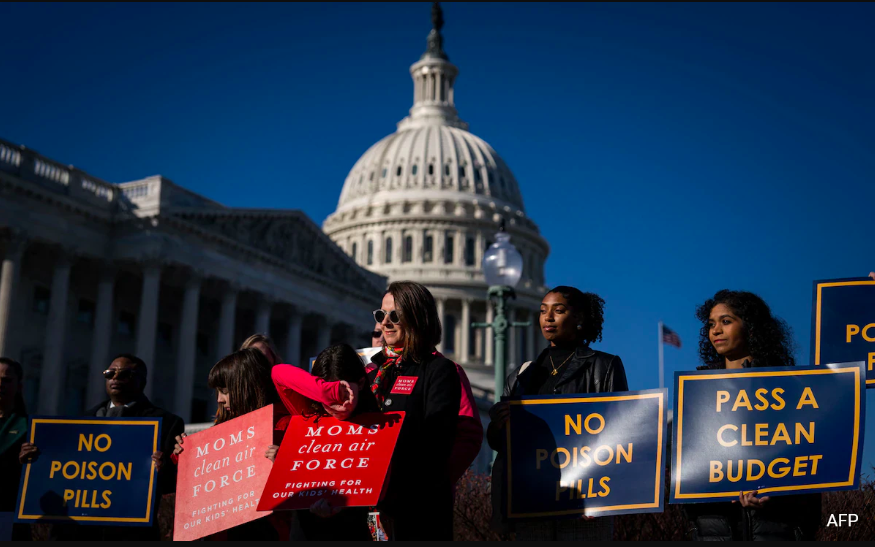
Why the US Government Has Shut Down – and What Happens Now
The United States government has once again found itself in the grip of a shutdown, a political standoff that has left Americans questioning how the world’s largest democracy manages its finances. Funding for the federal government has been cut off after President Donald Trump’s Republican Party failed to agree with opposition Democrats on a spending bill. While government shutdowns are not new in Washington, this one feels especially charged, as it reflects not only the deep partisan divides but also the administration’s broader agenda of reshaping the role of government itself.
How Did We Get Here?
The immediate cause of the shutdown lies in the failure of lawmakers to pass a spending bill to keep government agencies funded. In the United States, the budget process requires Congress to approve appropriations to pay for government operations. Without this legal authority, agencies cannot spend money, and many are forced to close their doors.
Register for Tekedia Mini-MBA edition 20 (June 8 – Sept 5, 2026).
Register for Tekedia AI in Business Masterclass.
Join Tekedia Capital Syndicate and co-invest in great global startups.
Register for Tekedia AI Lab.
This year, negotiations collapsed over several sticking points. Democrats demanded protections for “Dreamers” – young undocumented immigrants brought to the US as children – and additional assurances on healthcare funding. Republicans, under President Trump’s leadership, insisted on increased border security spending, including money for the controversial wall along the US-Mexico border. Both sides dug in their heels, and as the deadline expired, funding lapsed.
President Trump, who campaigned on promises of disrupting the status quo, has played a central role in the impasse. For months, he has signaled that a shutdown might not be such a bad outcome, suggesting it could create the leverage needed to force through his policy priorities. With his administration already cutting back on regulations and shrinking federal programs, some see this standoff as part of a larger strategy to reduce the size of government.
What Shuts Down – and What Stays Open?

A government shutdown does not mean that the United States comes to a complete halt. Essential services remain in operation, but millions of federal workers are affected.
- Federal employees: Hundreds of thousands of “non-essential” federal workers are furloughed – placed on temporary unpaid leave. They are often paid retroactively once the shutdown ends, but during the standoff, their paychecks stop.
- National security and defense: Active-duty military personnel continue to serve, though they may face delayed pay. Critical law enforcement agencies like the FBI and Department of Homeland Security also remain operational.
- Air travel and safety: Air traffic controllers and Transportation Security Administration (TSA) screeners keep working, but some experience increased strain as unpaid shifts drag on.
- Social programs: Benefits like Social Security, Medicare, and Medicaid continue since they are funded separately from annual appropriations. However, new applications and customer service may slow.
- National parks and museums: These are often among the most visible casualties of a shutdown, with closures disrupting tourism and frustrating the public.
- Courts and Congress: The federal judiciary continues for a short time, though funding constraints may eventually affect operations. Members of Congress keep working – and continue to be paid.
In short, the shutdown is selective but disruptive, with ripple effects across the economy. Contractors, small businesses dependent on federal operations, and ordinary citizens waiting on permits or loans may all feel the impact.
Why This Shutdown Is Different

Government shutdowns have occurred before, but this one has unique features. President Trump has spent the last nine months pursuing an aggressive agenda to pare back government. From environmental deregulation to cuts in federal agencies, his administration has framed downsizing as a path to greater efficiency and freedom from bureaucracy.
In this context, the shutdown becomes more than a budget impasse – it is a political weapon. By allowing services to grind to a halt, Trump and his allies believe they can demonstrate that government is too big and bloated, while forcing Democrats into concessions. For Democrats, however, conceding on immigration and healthcare would betray core values and alienate their base. The result is a high-stakes standoff with no easy resolution.
Political Fallout
Shutdowns rarely benefit the party in power. Historically, voters tend to blame those controlling the White House and Congress for the disruption. In this case, Republicans hold both, which puts Trump in the hot seat. However, the president has sought to shift blame to Democrats, arguing that they are obstructing progress to protect undocumented immigrants rather than putting American citizens first.
Democrats, meanwhile, see an opportunity to portray Trump as reckless and uncompassionate, using federal workers and citizens as pawns in a political game. With midterm elections looming, both parties are calculating how the shutdown narrative will resonate with voters.
Economic Consequences
The immediate economic impact of a shutdown is limited, especially if it lasts only a few days. However, prolonged standoffs can sap consumer confidence, delay federal contracts, and reduce economic output. Tourism suffers when parks and monuments close, while federal employees and contractors face financial stress. According to some estimates, the 2013 shutdown cost the US economy billions of dollars in lost productivity.
This time, the uncertainty may be compounded by already volatile financial markets and international concerns about US stability. Investors are watching closely, and prolonged dysfunction could weigh on America’s global reputation.
What Happens Next?
Ultimately, the government will reopen when lawmakers strike a deal. That could mean temporary stopgap funding, known as a continuing resolution, or a longer-term budget agreement. Compromise may involve concessions on immigration, border security, or discretionary spending. Until then, Americans will live with the frustration and inconvenience of a government running at half-speed.
The bigger question, however, is what this shutdown says about American democracy. At a time of bitter partisanship, the inability to perform the basic function of funding government exposes deep cracks in the system. For President Trump, the shutdown is an opportunity to flex power and push his vision of a leaner government. For Democrats, it is a chance to stand firm on core principles of inclusion and social safety nets.
As the standoff continues, one truth remains: shutdowns may be temporary, but their effects linger in public trust and institutional credibility. For Americans, this is not just a fight about numbers on a budget sheet – it is a reflection of the values and priorities that define the nation.
Final Thoughts
The US government shutdown is more than a dispute over dollars and cents—it is a mirror of the nation’s political divide. While essential services continue, the disruption highlights how fragile governance becomes when compromise is elusive. For President Trump, the standoff fits into a broader push to redefine the role of government; for Democrats, it represents a battle to protect social programs and immigrant communities.
What happens next depends not just on negotiations in Washington but also on how the American public responds. If voters grow weary of political brinkmanship, both parties may be forced toward pragmatism. Until then, the shutdown remains a stark reminder that democracy, even in its most powerful form, relies on cooperation as much as conflict.
Here’s a polished conclusion you can place at the end of your blog article:
Conclusion
Government shutdowns are often painted as temporary inconveniences, but their deeper significance lies in what they reveal about American politics. This shutdown is not only about funding deadlines—it is about competing visions of the country’s future. On one side is President Trump’s determination to shrink government and prioritise border security; on the other are Democrats pushing to safeguard social programs and immigrant protections.
As negotiations drag on, the impact on workers, businesses, and citizens becomes more tangible, while the political costs for both parties continue to mount. Ultimately, the resolution will require compromise—something increasingly rare in Washington. Until that happens, the shutdown serves as both a cautionary tale and a test of how far political leaders are willing to go to defend their principles, even at the expense of governance itself.
Meta Description (155 characters):
The US government has shut down after a budget standoff between Trump and Democrats. Discover why it happened, what services are affected, and what comes next.
Uploaded files:
Share this:
- Click to share on Facebook (Opens in new window) Facebook
- Click to share on X (Opens in new window) X
- Click to share on WhatsApp (Opens in new window) WhatsApp
- Click to share on LinkedIn (Opens in new window) LinkedIn
- Click to email a link to a friend (Opens in new window) Email
- Click to print (Opens in new window) Print