

Zambia Faces Economic Jolt as US Imposes 50% Tariff on Copper Imports

Quote from Alex Bobby on August 2, 2025, 8:12 AM
Zambia: The Copper Country Faces Global Headwinds Amid US Tariffs
Zambia, often called “The Copper Country,” has built much of its economic identity around the red metal that flows through its soil and history. Copper is not just a commodity in this southern African nation—it’s a national symbol. Even the Zambian national football team carries the nickname Chipolopolo, or The Copper Bullets, reflecting the deep cultural and economic roots of copper in the country’s identity.
But Zambia now faces a fresh challenge. In a surprising move, former U.S. President Donald Trump—still a dominant political force as he eyes a return to the White House—has announced a steep new 50% tariff on copper imports, set to take effect in early August. The announcement has sent ripples through global commodity markets and placed major copper-exporting nations, including Zambia and its neighbour the Democratic Republic of Congo (DRC), on alert.
Why Copper Matters to Zambia
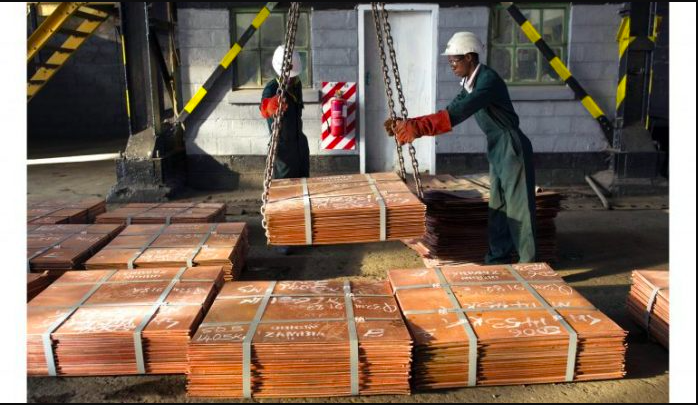
Zambia’s economy is highly dependent on copper exports. Copper accounts for over 70% of the country’s export earnings and a significant portion of government revenue. The copper belt, a mineral-rich region that spans parts of Zambia and the DRC, is home to some of the largest copper reserves in the world.
The sector employs thousands of Zambians and plays a vital role in funding infrastructure, education, and health care. From state-owned ventures like ZCCM-IH to global mining giants like First Quantum Minerals and Bar-rick Gold operating in the country, the copper industry is not just big business—it’s a lifeline.
The Trump Tariff: A Game-Changer?
The newly announced tariff by Donald Trump, who cited “protecting American supply chains and jobs” as the primary motivation, represents a major development in global trade policy. If implemented, it would raise the cost of Zambian copper entering the U.S. market by half, dramatically reducing its competitiveness compared to domestic or tariff-free sources.
This poses a dilemma for Zambian copper producers, many of whom already grapple with infrastructure challenges, regulatory uncertainty, and frequent power shortages. With the U.S. being a key market for refined copper and semi-finished copper products, the tariff could significantly reduce export volumes and earnings.
Zambia’s Finance Minister has called for urgent discussions with U.S. trade officials and the World Trade Organisation (WTO) to clarify the scope and potential exemptions of the policy. “We are deeply concerned about the unintended consequences of such a measure,” the minister said during a press briefing in Lusaka. “This could seriously impact the livelihoods of thousands of our people.”
Regional Ripple Effects
Neighboring DR Congo, another major copper exporter, also stands to be affected. Many of the logistics routes and processing facilities are shared between the two nations, especially in the copper belt. A drop in demand or pricing from the U.S. could cause a backlog, slowing production and leading to layoffs or temporary shutdowns.
Furthermore, the tariff could increase global copper price volatility. In the immediate aftermath of the announcement, copper prices dipped slightly due to fears of a slowdown in U.S. demand. However, analysts warn that the long-term effects could be more unpredictable, especially if other countries respond with retaliatory trade measures.
Long-Term Outlook: Still Bullish?
Despite the short-term turbulence, many in the industry maintain a positive long-term outlook for copper. Global demand for the metal is expected to rise steadily over the next decade, driven by the growth of electric vehicles (EVs), renewable energy infrastructure, and the massive expansion of data centres.
Copper is a crucial component in EV batteries, power transmission lines, and server cooling systems. Industry experts say that the world is heading toward a copper shortage by the early 2030s if new mines and smelters are not developed soon.
Some mining companies in Zambia are taking a cautiously optimistic stance. “This is a setback, but not a death sentence,” said a spokesperson for Mopani Copper Mines. “The fundamentals of copper demand remain strong. The global green transition will continue with or without temporary trade obstacles.”
Zambia’s Path Forward
To weather this storm, Zambia may need to explore new markets in Asia and Europe, accelerate trade negotiations with other copper-hungry economies, and invest in domestic value-addition processes, such as refining and wire production. Strengthening regional trade within Africa could also provide a buffer, especially under the African Continental Free Trade Area (AfCFTA).
For now, however, the country is watching and waiting. The Copper Bullets may soon need to fight a different kind of battle—one fought not on the pitch, but in boardrooms, ports, and trade summits around the world.
Looking Forward
As Zambia navigates the uncertainty sparked by the new U.S. copper tariffs, the country has an opportunity to rethink its trade and industrial strategies. By diversifying export markets, investing in value-added processing, and strengthening regional partnerships, Zambia can reduce its dependence on any single buyer and build a more resilient mining sector. The future of copper remains bright in a world increasingly reliant on electric vehicles and clean energy—but the road ahead will demand smart diplomacy, innovation, and strong political will.
Final Thought
Zambia’s identity as a copper powerhouse is deeply ingrained, but global economic shifts like the U.S. tariff decision remind us how vulnerable resource-dependent nations can be to foreign policy changes. The challenge now is to turn this moment of disruption into one of transformation—leveraging copper not just as an export, but as a catalyst for broader industrial growth, job creation, and economic sovereignty.
Conclusion
Zambia’s copper sector is no stranger to volatility, but the proposed U.S. tariff adds a fresh layer of uncertainty. While the country may take a short-term hit in revenues and exports, the long-term outlook for copper demand remains promising. With strategic policy shifts and a focus on diversification, Zambia may yet turn this challenge into an opportunity for growth and resilience in an ever-shifting global economy.
Meta Description:
Zambia faces new economic challenges after the U.S. announces a 50% tariff on copper imports. As a major exporter, the country must navigate price volatility and shifting global demand to protect its copper-driven economy.
Zambia: The Copper Country Faces Global Headwinds Amid US Tariffs
Zambia, often called “The Copper Country,” has built much of its economic identity around the red metal that flows through its soil and history. Copper is not just a commodity in this southern African nation—it’s a national symbol. Even the Zambian national football team carries the nickname Chipolopolo, or The Copper Bullets, reflecting the deep cultural and economic roots of copper in the country’s identity.
But Zambia now faces a fresh challenge. In a surprising move, former U.S. President Donald Trump—still a dominant political force as he eyes a return to the White House—has announced a steep new 50% tariff on copper imports, set to take effect in early August. The announcement has sent ripples through global commodity markets and placed major copper-exporting nations, including Zambia and its neighbour the Democratic Republic of Congo (DRC), on alert.
Register for Tekedia Mini-MBA edition 20 (June 8 – Sept 5, 2026).
Register for Tekedia AI in Business Masterclass.
Join Tekedia Capital Syndicate and co-invest in great global startups.
Register for Tekedia AI Lab.
Why Copper Matters to Zambia
Zambia’s economy is highly dependent on copper exports. Copper accounts for over 70% of the country’s export earnings and a significant portion of government revenue. The copper belt, a mineral-rich region that spans parts of Zambia and the DRC, is home to some of the largest copper reserves in the world.
The sector employs thousands of Zambians and plays a vital role in funding infrastructure, education, and health care. From state-owned ventures like ZCCM-IH to global mining giants like First Quantum Minerals and Bar-rick Gold operating in the country, the copper industry is not just big business—it’s a lifeline.

The Trump Tariff: A Game-Changer?
The newly announced tariff by Donald Trump, who cited “protecting American supply chains and jobs” as the primary motivation, represents a major development in global trade policy. If implemented, it would raise the cost of Zambian copper entering the U.S. market by half, dramatically reducing its competitiveness compared to domestic or tariff-free sources.
This poses a dilemma for Zambian copper producers, many of whom already grapple with infrastructure challenges, regulatory uncertainty, and frequent power shortages. With the U.S. being a key market for refined copper and semi-finished copper products, the tariff could significantly reduce export volumes and earnings.

Zambia’s Finance Minister has called for urgent discussions with U.S. trade officials and the World Trade Organisation (WTO) to clarify the scope and potential exemptions of the policy. “We are deeply concerned about the unintended consequences of such a measure,” the minister said during a press briefing in Lusaka. “This could seriously impact the livelihoods of thousands of our people.”
Regional Ripple Effects
Neighboring DR Congo, another major copper exporter, also stands to be affected. Many of the logistics routes and processing facilities are shared between the two nations, especially in the copper belt. A drop in demand or pricing from the U.S. could cause a backlog, slowing production and leading to layoffs or temporary shutdowns.
Furthermore, the tariff could increase global copper price volatility. In the immediate aftermath of the announcement, copper prices dipped slightly due to fears of a slowdown in U.S. demand. However, analysts warn that the long-term effects could be more unpredictable, especially if other countries respond with retaliatory trade measures.
Long-Term Outlook: Still Bullish?
Despite the short-term turbulence, many in the industry maintain a positive long-term outlook for copper. Global demand for the metal is expected to rise steadily over the next decade, driven by the growth of electric vehicles (EVs), renewable energy infrastructure, and the massive expansion of data centres.
Copper is a crucial component in EV batteries, power transmission lines, and server cooling systems. Industry experts say that the world is heading toward a copper shortage by the early 2030s if new mines and smelters are not developed soon.
Some mining companies in Zambia are taking a cautiously optimistic stance. “This is a setback, but not a death sentence,” said a spokesperson for Mopani Copper Mines. “The fundamentals of copper demand remain strong. The global green transition will continue with or without temporary trade obstacles.”
Zambia’s Path Forward
To weather this storm, Zambia may need to explore new markets in Asia and Europe, accelerate trade negotiations with other copper-hungry economies, and invest in domestic value-addition processes, such as refining and wire production. Strengthening regional trade within Africa could also provide a buffer, especially under the African Continental Free Trade Area (AfCFTA).
For now, however, the country is watching and waiting. The Copper Bullets may soon need to fight a different kind of battle—one fought not on the pitch, but in boardrooms, ports, and trade summits around the world.
Looking Forward
As Zambia navigates the uncertainty sparked by the new U.S. copper tariffs, the country has an opportunity to rethink its trade and industrial strategies. By diversifying export markets, investing in value-added processing, and strengthening regional partnerships, Zambia can reduce its dependence on any single buyer and build a more resilient mining sector. The future of copper remains bright in a world increasingly reliant on electric vehicles and clean energy—but the road ahead will demand smart diplomacy, innovation, and strong political will.
Final Thought
Zambia’s identity as a copper powerhouse is deeply ingrained, but global economic shifts like the U.S. tariff decision remind us how vulnerable resource-dependent nations can be to foreign policy changes. The challenge now is to turn this moment of disruption into one of transformation—leveraging copper not just as an export, but as a catalyst for broader industrial growth, job creation, and economic sovereignty.
Conclusion
Zambia’s copper sector is no stranger to volatility, but the proposed U.S. tariff adds a fresh layer of uncertainty. While the country may take a short-term hit in revenues and exports, the long-term outlook for copper demand remains promising. With strategic policy shifts and a focus on diversification, Zambia may yet turn this challenge into an opportunity for growth and resilience in an ever-shifting global economy.
Meta Description:
Zambia faces new economic challenges after the U.S. announces a 50% tariff on copper imports. As a major exporter, the country must navigate price volatility and shifting global demand to protect its copper-driven economy.
Share this:
- Click to share on Facebook (Opens in new window) Facebook
- Click to share on X (Opens in new window) X
- Click to share on WhatsApp (Opens in new window) WhatsApp
- Click to share on LinkedIn (Opens in new window) LinkedIn
- Click to email a link to a friend (Opens in new window) Email
- Click to print (Opens in new window) Print