

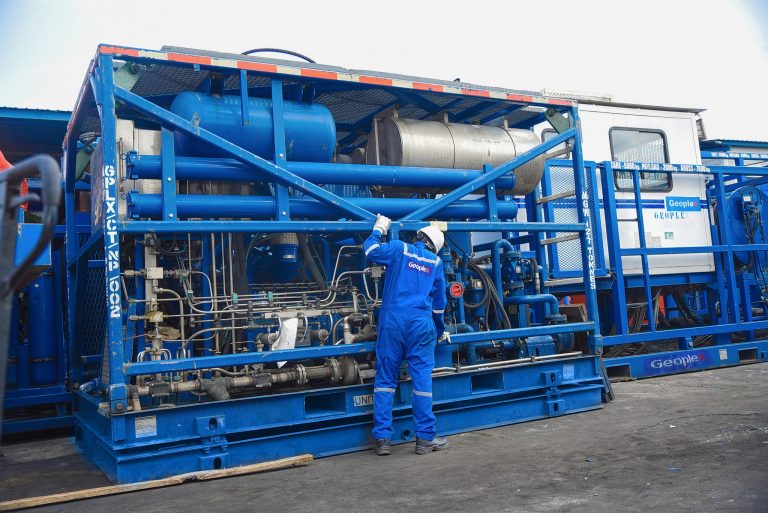
Nigeria’s oil and gas industry is a dynamic sector that fuels the nation’s economy while presenting unique challenges for companies operating within it. Among these companies, Geoplex Drillteq Limited has distinguished itself as a resilient player. However, like many in this competitive industry, Geoplex faces significant challenges, including oil spillage. Oil spillage remains a critical issue that compromises operational efficiency, environmental sustainability, and community relations in the industry. In this piece, our analyst and Farhan-faahiz Hassan examine Geoplex’s situation, evaluate the broader implications of oil spillage, and propose targeted solutions to address these challenges while fostering sustainable operations.
The Oil Spillage Conundrum
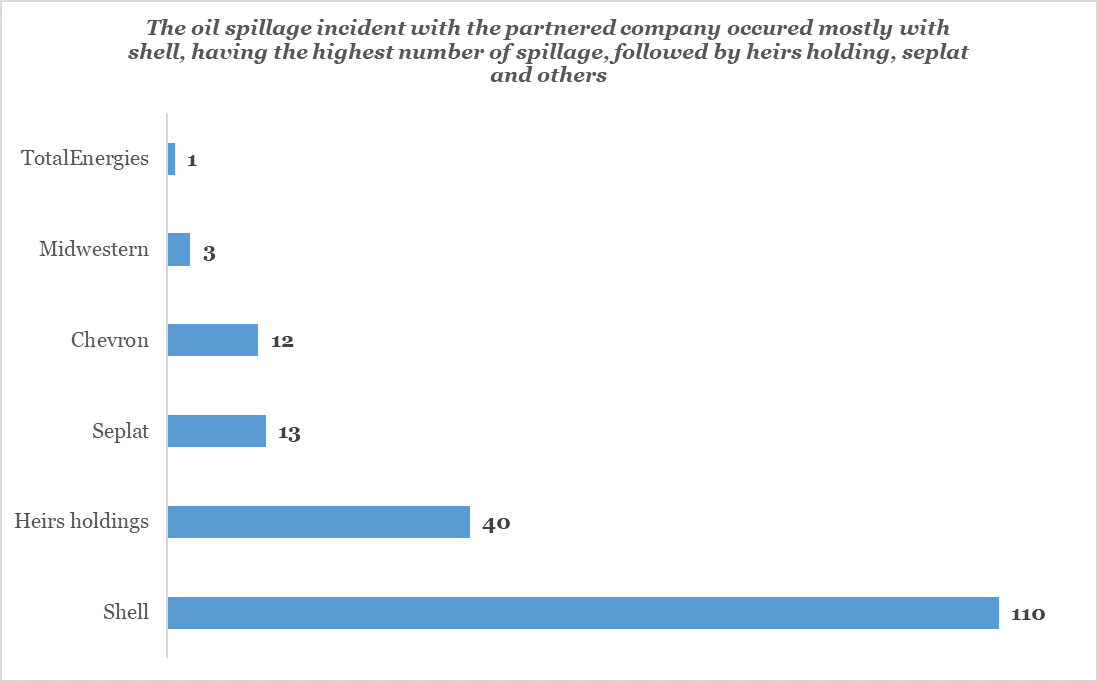
Oil spillage is one of the most pressing environmental and economic issues in Nigeria. Data from the Nigerian Oil Spill Monitor highlights significant incidents in 2015, 2019, 2022, and 2023, with Geoplex playing a role in supporting companies involved in these spills. These incidents have led to environmental degradation, loss of livelihoods in host communities, and heightened tensions between oil companies and local stakeholders. For instance, in 2024, the Movement for the Survival of the Ogoni People (MOSOP) strongly opposed Geoplex’s plans to resume operations in Ogoniland, citing environmental and developmental concerns. Such opposition underscores the need for Geoplex to prioritize sustainable practices and community engagement to maintain its license to operate.
Register for Tekedia Mini-MBA edition 20 (June 8 – Sept 5, 2026).
Register for Tekedia AI in Business Masterclass.
Join Tekedia Capital Syndicate and co-invest in great global startups.
Register for Tekedia AI Lab.

Source: Nigerian Oil Spill Monitor, 2015-2024
Insights from Industry Practices
Geoplex’s partners have implemented various strategies to address oil spillage, providing valuable lessons. Between 2020 and 2021, Seplat reduced oil spill incidents from seven to four through enhanced pipeline surveillance and community advocacy. Similarly, Shell reported significant reductions in hydrocarbon spills over 12 years by addressing operational inefficiencies and sabotage. Chevron and Heirs Holdings have also invested in environmental and community development initiatives, emphasizing proactive measures to minimize spill incidents. These approaches highlight the importance of infrastructure integrity, operational efficiency, and community collaboration.
Root Causes of Oil Spillage

Over the years, oil spillage in Nigeria has been attributed to mechanical failures, corrosion, and sabotage. Mechanical failures occur when critical components such as pipelines and storage tanks experience breakdowns due to structural issues. In oil drilling, corrosion has been always linked with results to environmental factors like moisture, saltwater, and corrosive chemicals, degrading metal surfaces. Equipment malfunctions, often caused by wear and tear, inadequate maintenance, and operational overload, further exacerbate the problem. Our analyst notes that solving these root causes requires a comprehensive approach that integrates advanced engineering solutions and robust operational protocols.
Source: Nigerian Oil Spill Monitor
Proposed Solutions for Sustainable Operations
Our analyst notes that to tackle the issue of mechanical failures, Geoplex should prioritize regular inspections and testing of critical components such as pipelines, valves, and storage tanks. These inspections would help identify vulnerabilities before they escalate into significant problems, our analyst stresses. Employing non-destructive testing methods, like ultrasonic and radiographic testing, would further enhance the ability to monitor material conditions effectively. Additionally, optimizing operational workflows through simulation software can minimize mechanical stress during extraction, transportation, and storage. The adoption of high-strength materials, such as carbon steel or fiber-reinforced composites, would improve the durability of pipelines and storage tanks, enabling them to withstand high pressures and mechanical stresses.

Addressing corrosion requires a combination of innovative materials and proactive measures. Analyses indicate that Geoplex needs to consider using non-metallic materials, such as thermoplastics or advanced polymers, for low-pressure systems to eliminate the risk of corrosion. A detailed chemical analysis of the oil being transported would help determine the presence of water, sulfur, and other corrosive compounds, enabling targeted mitigation strategies. Additionally, applying advanced corrosion-prevention coatings to pipelines and storage tanks can provide a protective barrier against environmental and chemical exposure.
To mitigate equipment failures, Geoplex should implement a robust training program for field personnel. This training would enhance their ability to identify and address equipment anomalies promptly, reducing the likelihood of failures. Standardizing emergency response procedures is another critical step, as it would minimize the impact of equipment failures when they occur. Conducting root-cause analyses of past equipment failures would also help identify recurring issues and allow for proactive solutions.
The Business Case for Sustainability
Adopting these measures is not only a moral imperative but also a sound business strategy. The costs associated with spill prevention are significantly lower than those of spill cleanup, regulatory fines, and reputational damage. With investments in infrastructure integrity, operational efficiency, and community relations, Geoplex will position itself as a leader in sustainable operations within Nigeria’s oil and gas industry.
Building Trust with Host Communities
Sustainability extends beyond technical solutions to include meaningful engagement with host communities. Geoplex must collaborate with local stakeholders to address environmental and developmental concerns. Initiatives such as community-driven environmental monitoring, development projects, and transparent communication can build trust and secure social license to operate. Addressing MOSOP’s concerns, for instance, requires demonstrating a commitment to sustainable practices and inclusive development.
Editor’s Note: Farhan-faahiz Hassan provides material and process engineering practical insights to this piece.