

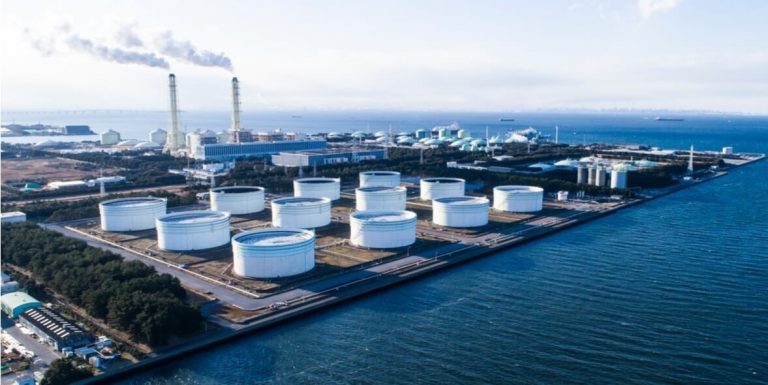
Germany’s energy landscape has undergone a profound transformation since the sharp reduction of Russian natural gas supplies in 2022. In response, the country rapidly diversified its energy sources by investing heavily in liquefied natural gas (LNG) infrastructure and expanding its network of international suppliers.
The recent conflict involving Iran has once again highlighted the importance of energy security, with Germany’s share of LNG in total gas imports rising despite growing geopolitical uncertainty.
This development demonstrates how the country has prioritized resilience and flexibility in its energy strategy while adapting to an increasingly volatile global market.
Germany relied heavily on pipelines for most of its natural gas needs. The sudden decline in Russian exports exposed the risks of depending on a single supplier, prompting Berlin to accelerate investments in floating LNG terminals, import facilities, and long-term supply agreements with countries such as the United States, Qatar, and Norway.
Register for the next Tekedia Mini-MBA.
Register for Tekedia AI in Business Masterclass.
Join Tekedia Capital Syndicate and co-invest in great global startups.
These efforts have fundamentally changed Germany’s energy import structure, making LNG a significantly larger component of the country’s gas portfolio. The outbreak of conflict involving Iran has introduced fresh concerns about global energy markets.
Iran occupies a strategically important position near the Strait of Hormuz, one of the world’s busiest maritime routes for oil and LNG shipments. Any escalation that threatens shipping through this narrow passage has the potential to disrupt global energy supplies and drive prices higher.
Even when physical supplies remain uninterrupted, market uncertainty often leads traders to increase prices in anticipation of possible shortages. Despite these geopolitical risks, Germany has continued to increase the proportion of LNG in its natural gas imports.
This trend reflects the country’s determination to avoid returning to excessive dependence on pipeline gas from a limited number of suppliers.

LNG offers greater flexibility because cargoes can be redirected from different exporting countries depending on market conditions, providing buyers with multiple sourcing options rather than relying on fixed pipeline routes. Germany’s expanding LNG infrastructure has played a critical role in supporting this strategy.
New import terminals along the North Sea coast have significantly enhanced the country’s ability to receive shipments from across the world. These facilities have strengthened not only Germany’s own energy security but also the broader European gas market by allowing imported LNG to be distributed to neighboring countries through interconnected pipeline networks.
The increasing reliance on LNG also presents several challenges. LNG generally involves higher production, transportation, and regasification costs than conventional pipeline gas. Consumers and industrial users may therefore face higher energy prices, particularly during periods of elevated global demand.

Industries such as chemicals, manufacturing, and steel production remain sensitive to energy costs, making affordable gas supplies essential for maintaining international competitiveness. Environmental considerations further complicate Germany’s growing dependence on LNG.
Although natural gas produces fewer carbon emissions than coal, LNG processing and transportation generate additional greenhouse gas emissions due to liquefaction, shipping, and methane leakage. Germany continues to pursue ambitious climate targets focused on renewable energy expansion.
Meaning LNG is widely viewed as a transitional fuel rather than a permanent solution. Investments in wind power, solar energy, hydrogen, and energy efficiency remain central to the country’s long-term decarbonization strategy.
The recent increase in LNG imports despite tensions surrounding Iran illustrates Germany’s broader commitment to energy diversification and supply security.
Rather than allowing geopolitical events to undermine its energy system, the country has sought to build resilience through infrastructure investment and diversified procurement. While global conflicts will continue to influence energy prices and market stability.
Germany’s evolving gas strategy places greater emphasis on flexibility, multiple supply sources, and reduced vulnerability to external shocks. As Europe continues its transition toward cleaner energy, LNG is expected to remain an important bridge fuel that supports economic stability while renewable energy capacity continues to expand.