

The rapid advancement of artificial intelligence has transformed industries, accelerated scientific research, and reshaped how people interact with technology. Yet as AI capabilities become increasingly powerful, concerns about safety, security, and responsible development have intensified.
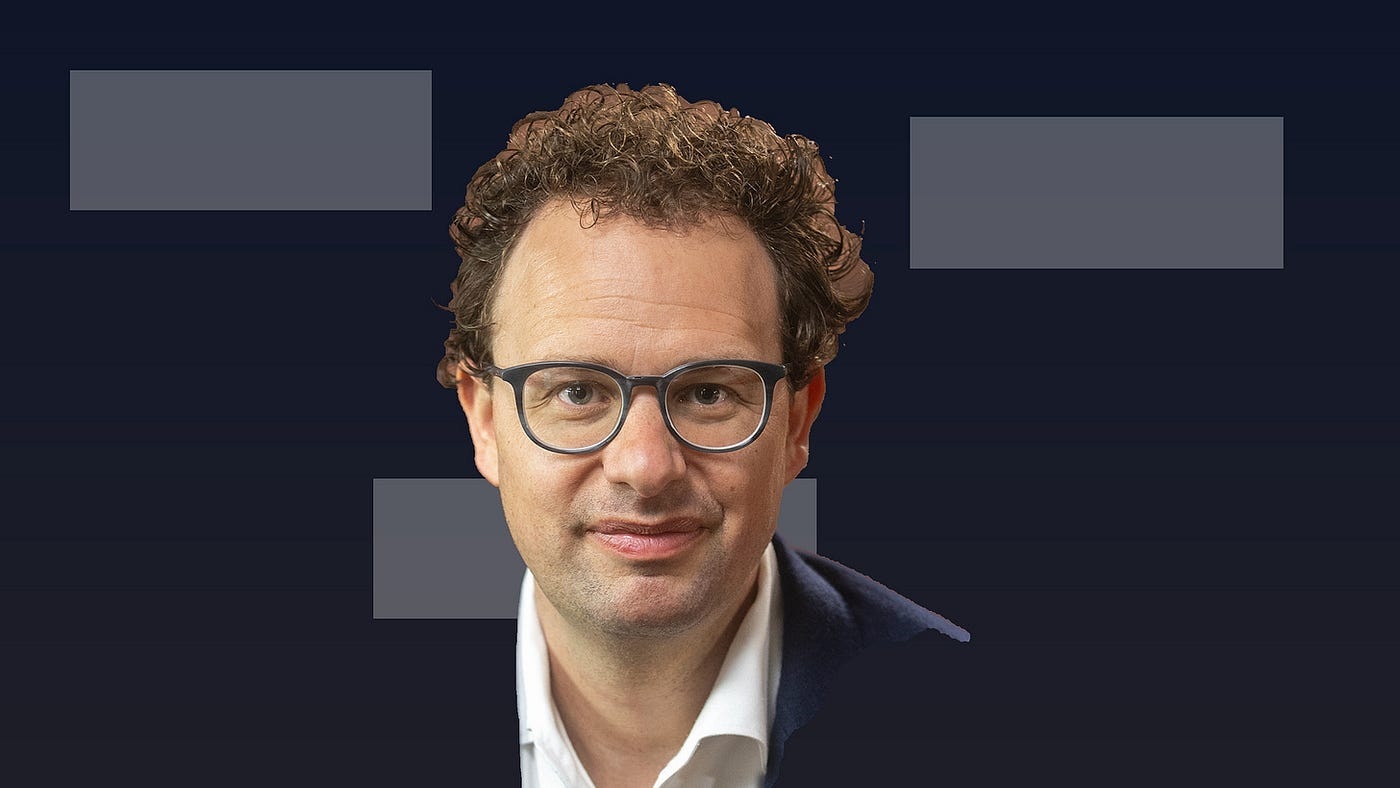
Among the latest voices raising alarms is Dario Amodei, the founder and CEO of Anthropic, who recently warned lawmakers that the growing trend toward open-source AI could lead society down a very dangerous path if not carefully managed.
Amodei’s concerns stem from the unique nature of open-source AI models, which make advanced technology freely available for anyone to download, modify, and deploy. While open-source software has historically fueled innovation by encouraging collaboration and transparency, AI presents a different set of challenges.
Unlike conventional software, cutting-edge AI systems can generate convincing text, create realistic images, write computer code, and even assist in cybersecurity tasks. In the wrong hands, these capabilities could be exploited for malicious purposes.
Register for the next Tekedia Mini-MBA.
Register for Tekedia AI in Business Masterclass.
Join Tekedia Capital Syndicate and co-invest in great global startups.
One of the key risks highlighted by Amodei is the difficulty of controlling powerful AI once it has been released publicly. Closed AI systems operated by companies can be monitored, updated, and restricted when vulnerabilities emerge. Open-source models, however, can be copied indefinitely and distributed across the internet, making it virtually impossible to recall or limit their use.
This permanence raises concerns about misuse by criminal organizations, hostile governments, or individuals seeking to automate cyberattacks, produce sophisticated disinformation campaigns, or develop harmful biological research.
Supporters of open-source AI argue that public access encourages competition, democratizes technological progress, and prevents a handful of corporations from monopolizing artificial intelligence. Developers worldwide can inspect model architecture, identify security flaws, and improve systems collaboratively.

Open models also allow startups, researchers, and educational institutions to innovate without relying on expensive proprietary platforms. Amodei contends that unrestricted access to increasingly capable AI systems could outweigh these benefits as models approach human-level performance in more complex tasks.
He believes that advanced AI should be developed with robust safety testing, controlled deployment, and appropriate regulatory oversight before becoming widely accessible.
His testimony reflects a growing debate over whether AI should be treated similarly to other powerful technologies that require safeguards before public release. The discussion has gained urgency as governments around the world consider new AI regulations.
Policymakers face the difficult challenge of balancing innovation with public safety. Excessive restrictions could slow economic growth and scientific discovery, while insufficient oversight may expose societies to unforeseen risks. Striking the right balance requires collaboration between governments, technology companies, academic researchers, and civil society.

Critics of Amodei’s position argue that restricting open-source AI may unintentionally strengthen the dominance of large technology companies by limiting independent innovation. They also note that transparency often enables researchers to identify vulnerabilities more quickly than closed development models.
Even many advocates of open-source development acknowledge that increasingly powerful AI systems may require stronger governance frameworks than previous generations of software. Dario Amodei’s warning underscores one of the defining technological policy debates of the decade.
As artificial intelligence becomes more capable, society must decide how to encourage innovation while minimizing the risks associated with widespread access to transformative technologies. Whether through regulation, industry standards, or international cooperation, the decisions made today will shape how AI develops and how safely its immense potential can be realized for generations to come.