

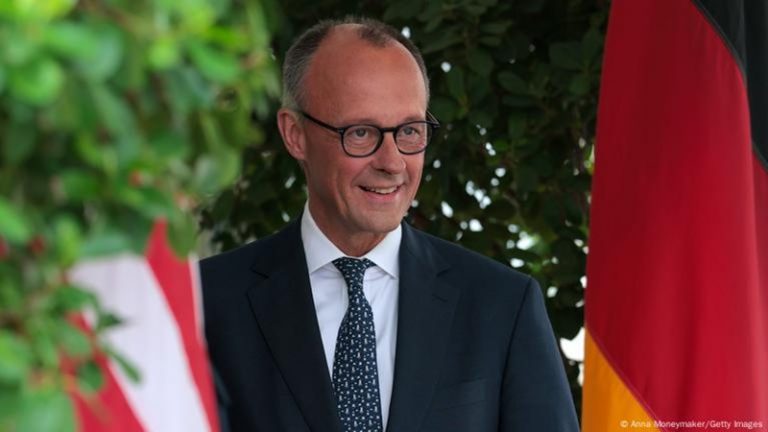
Germany and Poland are working to reduce traffic disruptions caused by recent border checks, which were intensified due to migration control measures. Germany began stricter border controls in October 2023, escalating in May 2025 under its new conservative-led government, aiming to curb irregular migration. In response, Poland announced temporary checks starting July 7, 2025, at its borders with Germany and Lithuania, citing reciprocity and concerns over migrants being returned from Germany.
To ease traffic snarls, particularly on the A12 motorway, Brandenburg’s Premier Dietmar Woidke and Poland’s Lubusz region leader Marcin proposed solutions like adding a third lane for checks. Woidke also suggested joint German-Polish police patrols to improve coordination. Poland’s checks will focus on vehicles with multiple passengers, buses, and those with tinted windows, with no physical barriers but narrowed lanes and signs to slow traffic.
These measures aim to balance migration control with minimizing delays, though the dispute strains the Schengen Area’s free movement principle, with both nations facing domestic pressure over migration policies. No specific data on current traffic conditions was available, but travelers are advised to check Poland’s Border Guard or Germany’s Federal Police websites for updates, especially during high-traffic periods like weekends.
Register for Tekedia Mini-MBA edition 20 (June 8 – Sept 5, 2026).
Register for Tekedia AI in Business Masterclass.
Join Tekedia Capital Syndicate and co-invest in great global startups.
Register for Tekedia AI Lab.
The intensified border checks between Germany and Poland, aimed at controlling irregular migration, carry several implications. Prolonged border delays disrupt trade and supply chains, particularly affecting the A12 motorway, a key route for goods between Germany and Poland. The Lubusz region, heavily reliant on cross-border commerce, could face economic losses if traffic snarls persist. Small businesses and logistics companies may see increased costs due to delays.
The reciprocal border controls challenge the Schengen Agreement’s principle of free movement. This could set a precedent for other member states to impose similar measures, potentially eroding trust and cooperation within the EU. The dispute highlights broader EU disagreements on migration policy. In Germany, the conservative-led government’s stricter migration stance reflects domestic pressure to address irregular migration, but it risks straining relations with Poland.
In Poland, the checks are partly a political response to Germany’s actions, with Prime Minister Donald Tusk facing criticism from nationalist factions. This could escalate bilateral tensions or fuel anti-EU sentiment in both countries. Increased border scrutiny may deter irregular migration but could also lead to harsher treatment of migrants, with reports of “pushbacks” raising human rights concerns. Local communities near border areas may experience heightened social tensions due to visible migration controls.

While measures like additional lanes and joint patrols aim to mitigate delays, commuters, tourists, and cross-border workers may still face significant inconvenience, especially during peak travel times. This could impact tourism and daily cross-border activities in regions like Brandenburg and Lubusz. The situation underscores the need for a unified EU migration policy.
Without it, ad-hoc border controls may become more common, potentially leading to permanent changes in how Schengen borders are managed. Proposed solutions like joint patrols and infrastructure adjustments may alleviate immediate issues, but resolving the underlying migration dispute will require broader EU-level coordination. Travelers should monitor updates from Poland’s Border Guard or Germany’s Federal Police for real-time border status.
Germany Recorded 2137 Drug-Related Deaths In 2024
In 2024, Germany recorded 2,137 drug-related deaths, a slight decrease from 2,227 in 2023, marking the second consecutive year with over 2,000 fatalities. This number reflects a 14% increase in drug-related deaths among those under 30 compared to the previous year. Experts attribute the high mortality rates to the rise in synthetic opioids, such as fentanyl and nitazenes, and increased polydrug use, with 1,707 cases involving multiple substances like heroin, opioid substitutes (e.g., methadone), crack cocaine, and amphetamines.

The Federal Criminal Police Office noted a 12% increase in drug-related deaths from 2022 to 2023, with a near doubling over the past decade. Opioids remain the leading cause, with heroin involved in 728 deaths in Germany in 2022, though cocaine, crack, and opioid substitution-related deaths are also rising. Authorities are calling for enhanced prevention, drug-checking programs, and harm reduction strategies like supervised consumption sites to address this ongoing crisis.
The persistent high death toll, especially the 14% spike among those under 30, underscores a public health emergency driven by synthetic opioids (e.g., fentanyl, nitazenes) and polydrug use. The rise in deaths linked to heroin (728 in 2022), cocaine, and opioid substitutes like methadone highlights the need for expanded harm reduction measures, such as supervised consumption sites and drug-checking programs to detect lethal substances like fentanyl.
Drug-related deaths disproportionately affect marginalized groups, including low-income individuals and those with mental health issues. The economic burden includes healthcare costs, lost productivity, and increased strain on social services. For instance, Berlin’s drug consumption rooms, while effective, face funding challenges, limiting their scalability. The data pushes for stronger policy responses, but Germany’s coalition government faces challenges balancing prevention, treatment, and enforcement.
The rise in synthetic opioids, often mixed with other drugs, complicates regulation and enforcement, as these substances are harder to detect and control compared to traditional drugs like heroin. Stigma around drug use hinders open discussion and access to treatment. The increase in deaths among younger people signals a need for targeted education and prevention campaigns, particularly addressing the risks of recreational polydrug use and synthetic opioids.
Urban areas like Berlin and Frankfurt, with established harm reduction infrastructure (e.g., drug consumption rooms), see better management of drug-related issues compared to rural areas, where access to treatment and prevention is limited. This creates a geographic disparity in outcomes and mortality rates. There’s a divide between advocates of harm reduction (e.g., supervised consumption sites, decriminalization) and those favoring stricter enforcement. Progressive groups push for drug-checking and decriminalization, citing Portugal’s success, while conservative factions argue for tougher policing, fearing leniency could normalize drug use.
The 14% rise in deaths among under-30s reflects a generational divide. Younger users, often engaging in recreational polydrug use, face higher risks from synthetic opioids, which are increasingly prevalent in party scenes. Older users, more likely to struggle with chronic addiction (e.g., heroin), face different treatment needs, complicating a one-size-fits-all approach. Wealthier individuals have better access to private rehabilitation and mental health services, while lower-income groups rely on overstretched public systems. This socioeconomic divide exacerbates disparities in recovery outcomes and exposure to lethal street drugs.
Expanding drug-checking programs and supervised consumption sites, especially in rural areas, could reduce deaths. Germany’s 2024 data suggests these measures are underutilized outside major cities. Tailored prevention campaigns for young people, focusing on the dangers of synthetic opioids in recreational settings, are critical. Simultaneously, expanding opioid substitution therapy (e.g., methadone) could address chronic addiction among older users.
Decriminalization of small amounts of drugs, coupled with increased funding for treatment, could reduce stigma and improve outcomes, though political divides make consensus challenging. Reducing stigma through education and open dialogue can encourage earlier intervention and treatment-seeking, addressing the social divide in how drug use is perceived. The situation demands a multifaceted approach, balancing immediate harm reduction with long-term prevention and treatment strategies to address both the crisis and its underlying divides.