

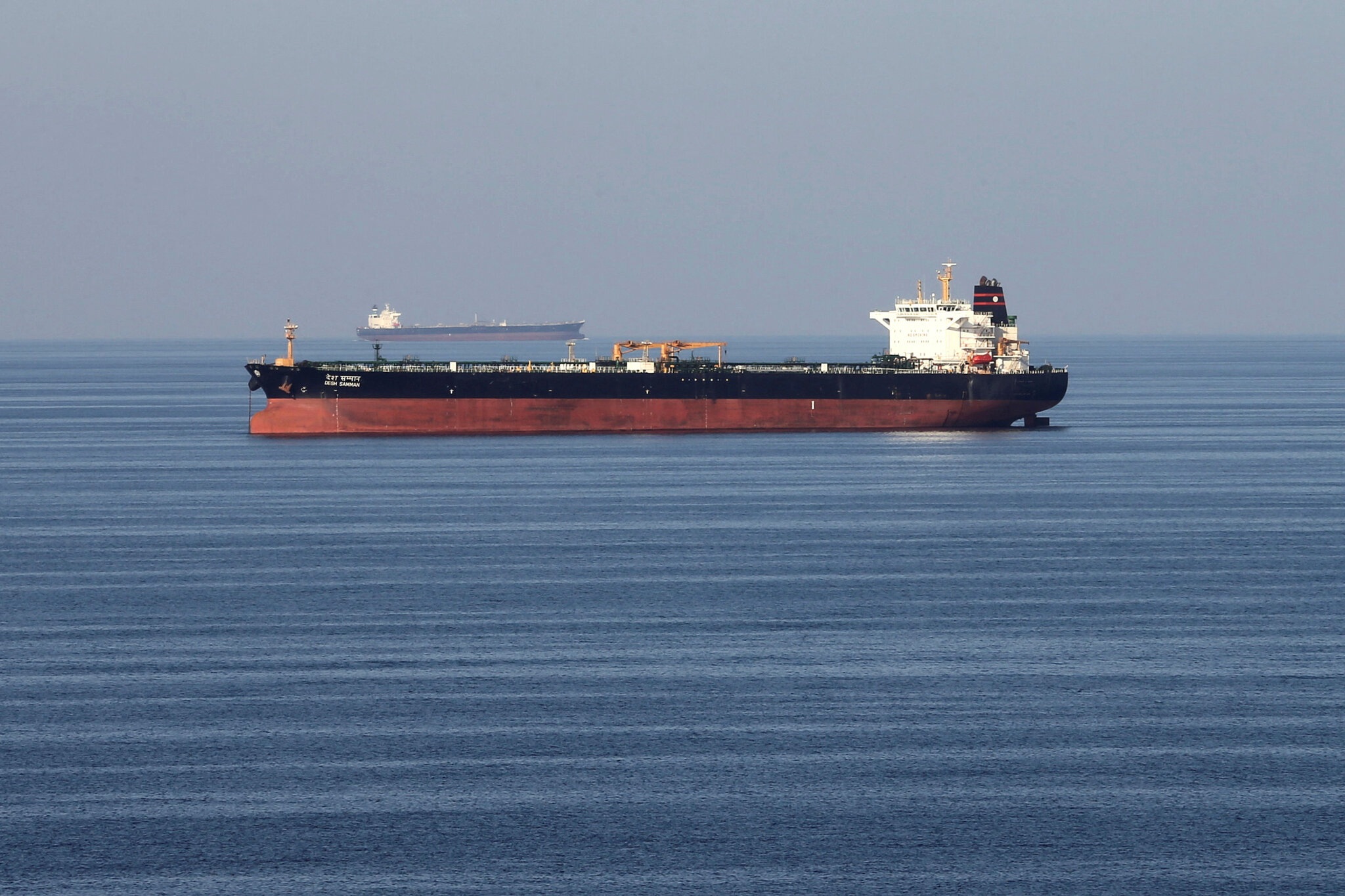
A disruption to Saudi Arabia’s oil pipeline infrastructure is once again highlighting how vulnerable the global energy system remains to concentrated supply risks. With a pipeline outage potentially placing roughly 4% of global oil supply at risk within days.
Traders are confronting a familiar but consequential question: how quickly can the world replace barrels when a major producer is suddenly constrained? Saudi Arabia occupies a uniquely important position in the oil market.
As one of the world’s largest crude producers and a central force within OPEC+, disruptions to its infrastructure can have consequences far beyond its borders.
Register for the next Tekedia Mini-MBA.
Register for Tekedia AI in Business Masterclass.
Join Tekedia Capital Syndicate and co-invest in great global startups.
The significance of the latest outage therefore extends beyond the physical pipeline itself.
Markets immediately begin assessing how much production could be affected, how long repairs might take, whether alternative export routes are available, and how much spare capacity remains elsewhere. The most immediate consequence is likely to be heightened volatility in crude prices.
Oil markets respond not only to barrels actually removed from circulation but also to the possibility of future shortages. If traders believe that a prolonged outage could reduce Saudi exports, futures prices can rise as buyers seek protection against tighter supplies.

The effect can become particularly pronounced when inventories are already constrained or when geopolitical tensions are simultaneously threatening other energy corridors.
Saudi Arabia has historically maintained significant spare production capacity, giving it an important buffer during periods of market stress.
That capacity can help mitigate temporary infrastructure disruptions. However, spare capacity is not equivalent to instantly deliverable crude. Technical limitations, the quality of available crude, transportation constraints and refinery requirements all influence how effectively replacement barrels can reach consumers.

The global implications also depend heavily on the pipeline involved and the destination of the affected oil. Saudi Arabia possesses multiple infrastructure networks and export facilities, meaning a localized disruption does not necessarily translate into an immediate loss of national production.
Alternative routes can sometimes redirect crude toward ports or refineries, reducing the ultimate impact on global availability. The episode demonstrates why infrastructure has become as important to energy investors as production itself.
Oil can exist underground in enormous quantities, but those barrels have little immediate value to consumers if pipelines, terminals, shipping routes or refineries cannot move and process them. Modern energy security therefore depends on the resilience of an interconnected logistical network.
For oil-importing economies, a sustained disruption could increase inflationary pressure. Higher crude prices feed into gasoline, diesel, aviation fuel, petrochemicals and transportation costs. Central banks watching inflation could consequently face a more difficult policy environment.
Particularly if higher energy prices arrive alongside weak economic growth. The geopolitical dimension is equally important. Every major disruption encourages governments and energy companies to reconsider their dependence on concentrated supply chains.
Producers may accelerate investments in alternative export routes, while consuming nations could increase strategic petroleum reserves or diversify their sources of crude.
For investors, the Saudi outage is therefore more than a short-term oil story. It is a reminder that energy markets price resilience as much as production.
If the disruption proves temporary, the price reaction may fade quickly. If it persists, the combination of lost supply, precautionary buying and geopolitical risk could create a much larger shock. The central question now is duration.
A pipeline outage can be manageable when alternatives are available and repairs are swift. But when millions of barrels are potentially placed at risk within days, even a temporary disruption can remind the world how little margin for error exists in the global oil system.