

Gold climbed more than 1% on Monday as mounting expectations of a potential diplomatic breakthrough between the United States and Iran pushed oil prices and the dollar lower, easing fears that the Middle East conflict could lock the Federal Reserve into a prolonged period of high interest rates.
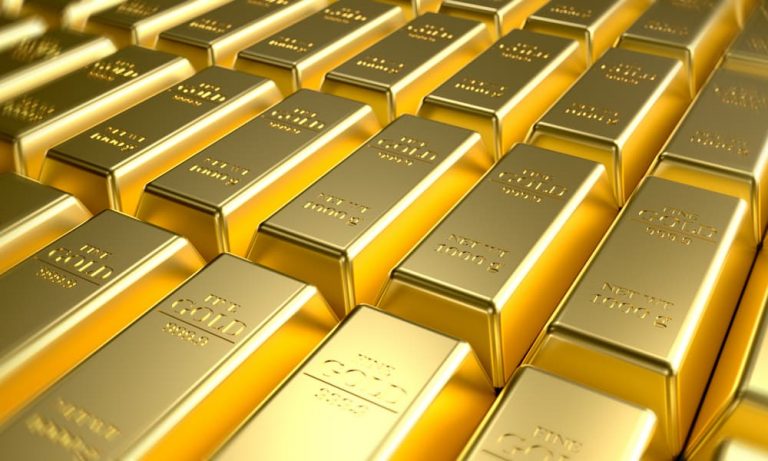
Spot gold rose 1.1% to $4,559.69 an ounce, while US gold futures gained 0.9% to $4,561.30, as investors rotated back into bullion after weeks of volatility tied to the Iran war and surging energy markets.
The rally came as financial markets responded positively to signs of renewed diplomacy over the conflict that has destabilized global energy flows for nearly three months. Oil prices slipped below $100 per barrel to their lowest levels in two weeks after President Donald Trump said Washington and Tehran had largely negotiated a memorandum of understanding that could reopen the Strait of Hormuz, one of the world’s most critical oil shipping corridors.
Register for the next Tekedia Mini-MBA.
Register for Tekedia AI in Business Masterclass.
Join Tekedia Capital Syndicate and co-invest in great global startups.
Although both Washington and Tehran later downplayed the prospects of an immediate agreement, investors interpreted the developments as reducing the risk of a prolonged supply shock in global energy markets.
The shift in sentiment reverberated across asset classes. Equities rallied, the dollar weakened toward a one-week low, and Treasury market expectations for future Federal Reserve policy softened as traders reassessed inflation risks linked to the conflict.
“Financial assets are strongly influenced by oil prices at present, and gold prices are not an exception,” said Giovanni Staunovo, an analyst at UBS.

“Lower oil prices lift gold, in anticipation that it impacts the monetary policy of the Federal Reserve,” Staunovo said, adding that the trend could continue in the near term.
The rebound in bullion marks a notable shift after gold lost roughly 14% since the Iran war erupted in late February. During that period, soaring crude prices fueled fears of entrenched inflation, pushing bond yields higher and strengthening expectations that US interest rates would remain elevated for longer.
Energy-driven inflation has become one of the defining themes of global markets in recent months. The war disrupted shipping through the Strait of Hormuz, a chokepoint through which roughly a fifth of the world’s oil supply passes, triggering spikes in crude, fuel, and transport costs worldwide.

That pressure complicated the Federal Reserve’s inflation battle just as markets had begun anticipating rate cuts earlier this year. Traders now see a roughly 40% probability of a 25-basis-point Fed rate hike in December, a sharp reversal from pre-war expectations that policymakers would deliver two rate cuts in 2026.
The policy uncertainty has intensified following the swearing-in of Kevin Warsh as the new Federal Reserve chair on Friday. Warsh takes office at a delicate moment for the US economy, with higher gasoline prices weighing on consumer confidence while geopolitical risks continue to cloud the inflation outlook.
Analysts said Monday’s rally in gold reflected a recalibration of those concerns rather than a complete unwinding of safe-haven demand.
Markets remain cautious because negotiations between the US and Iran continue to face significant obstacles, including disagreements over Tehran’s nuclear programme, regional security arrangements, and guarantees surrounding shipping routes in the Gulf.
Trump warned over the weekend that Iran “better get moving, FAST, or there won’t be anything left of them,” underscoring how fragile the diplomatic track remains even as markets welcome signs of de-escalation.
Precious metals broadly strengthened alongside gold. Spot silver surged 3.1% to $77.86 an ounce, platinum gained 2.1% to $1,962.93, while palladium advanced 2.8% to $1,386.47. The sharp moves across metals markets also reflected improving risk appetite and expectations that easing energy pressures could stabilize industrial demand conditions globally.
Investors are now watching whether diplomatic momentum translates into tangible progress on reopening the Strait of Hormuz and reducing pressure on global supply chains. Any sustained decline in oil prices could ease inflation expectations further and reshape the outlook for both the Federal Reserve and broader financial markets heading into the second half of the year.