

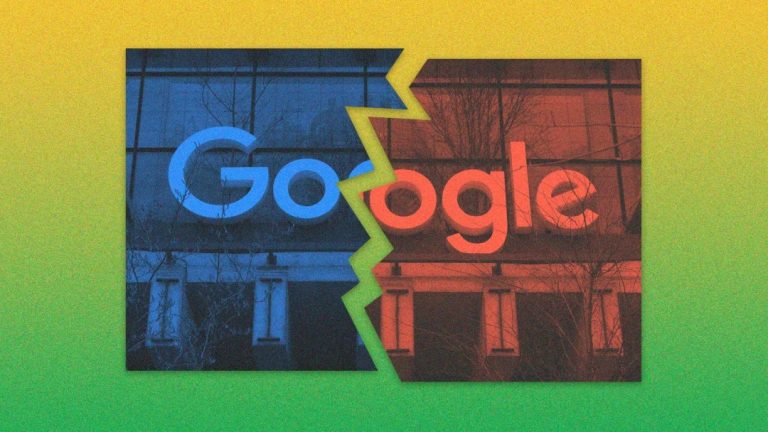
In the golden decade of General Motors, it made it easier for competitors to find opportunities. Around 1957 when IBM was a leading company in America, it asked for competitors. In both cases, when you have a competitor, the court and the nation look at things differently when it comes to issues of competition and antitrust.
Today, Google celebrates that it is not going to be broken into pieces. Why? In the age of AI with OpenAI and Anthropic on the rear mirrors, no court will mindlessly hand over those emergent companies wins by taking the digital eyes of Google Search (the Chrome browser) or Google’s rep in the mobile age (Android).
So, in the end, we have a neutral state: “Google must share search data with rivals and is barred from exclusive deals to be the default search engine on devices and browsers, a federal judge ruled in a landmark antitrust case — but it does not have to sell off its Chrome browser or Android operating system. The search giant also can still pay for placement, with restrictions. Government regulators had been advocating for a breakup of the company after the judge ruled last year that Google had an illegal monopoly in online search.’ – LinkedIn News
Register for Tekedia Mini-MBA edition 20 (June 8 – Sept 5, 2026).
Register for Tekedia AI in Business Masterclass.
Join Tekedia Capital Syndicate and co-invest in great global startups.
Register for Tekedia AI Lab.
If we do not have OpenAI and Anthropic, the outcome would have been different for Google. It must celebrate that these competitors exist, at least for this particular court case.
A federal judge on Tuesday declined to impose the most severe penalties in the landmark antitrust case that found Google guilty of illegally monopolizing the internet search market.
The decision marks a dramatic turn in a trial that began in September 2023 and culminated in August 2024, when the U.S. District Court for the District of Columbia ruled that Google violated Section 2 of the Sherman Act. While the ruling confirmed that Google abused its dominance in search and search advertising, the remedies judgment delivered by U.S. District Judge Amit Mehta offered the company a lifeline.
---
Connect via my
LinkedIn |
Facebook |
X |
TikTok |
Instagram |
YouTube