

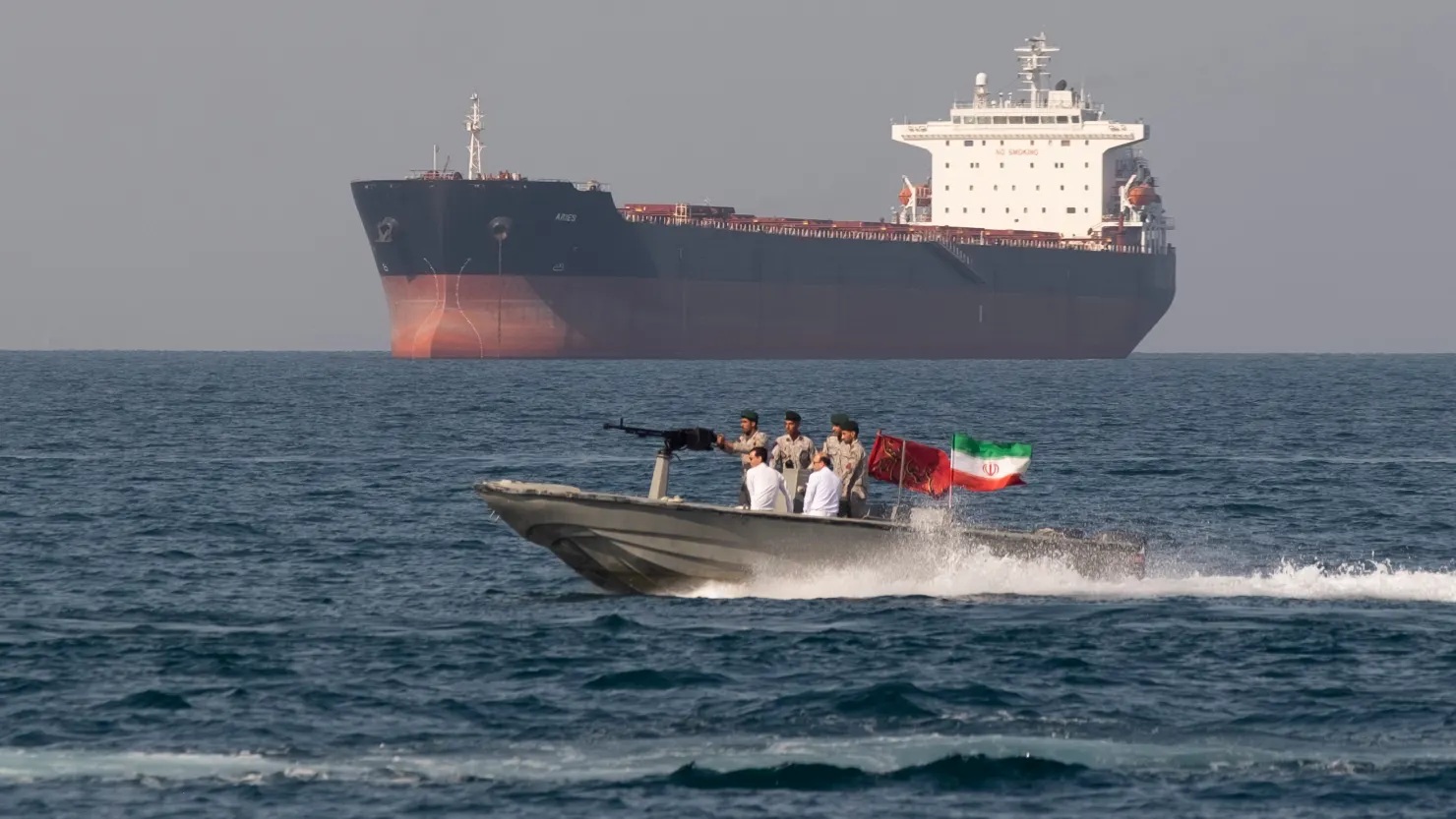
The escalating confrontation between the United States and Iran has entered a dangerous new phase, with military attacks on Iranian oil tankers near the Strait of Hormuz sending another shock through global energy markets.
Brent crude has climbed above $100 a barrel for the first time since July, highlighting how quickly geopolitical conflict can translate into higher energy costs, inflationary pressure and financial-market uncertainty.
Iran is increasingly turning toward cryptocurrencies as an alternative channel for international commerce, with its central bank easing foreign-exchange controls to allow exporters greater flexibility to settle transactions using assets such as Tether’s USDT and Bitcoin.
The Strait of Hormuz sits at the centre of this crisis. It is one of the world’s most important energy chokepoints, historically carrying roughly a fifth of global oil and gas supplies. Recent fighting has sharply reduced maritime traffic.
Register for the next Tekedia Mini-MBA.
Register for Tekedia AI in Business Masterclass.
Join Tekedia Capital Syndicate and co-invest in great global startups.
With preliminary data showing only six commodity vessels passing through the strait on Tuesday, compared with a 10-day average of 12. The disruption has intensified concerns that a prolonged confrontation could restrict crude supplies precisely when global inventories are already vulnerable.
The destruction of Iranian oil tankers has further complicated the situation. U.S. forces said they destroyed five Iranian tankers after missile attacks by Iran’s Revolutionary Guard on a U.S. Navy warship.
Tehran subsequently retaliated against shipping and American-linked targets, creating a cycle in which military action, maritime disruption and energy-market volatility reinforce one another. For consumers and businesses, the immediate concern is the price of energy.

Brent crossing $100 represents more than a psychological market milestone. Sustained crude prices at this level can increase transportation, electricity, manufacturing and food costs.
Airlines, logistics companies and energy-intensive industries are particularly exposed. Central banks could also face a difficult policy dilemma if higher energy prices translate into renewed inflation while economic growth weakens.
Iran’s decision to loosen foreign-exchange restrictions adds another dimension to the crisis. By permitting exporters to use cryptocurrencies for settlement and repatriation.
Tehran is effectively expanding the financial infrastructure available to businesses operating under sanctions and restrictions on access to conventional international banking. Tether and Bitcoin can provide alternative rails for transferring value across borders.

Particularly when traditional correspondent banking channels are difficult to access. This does not mean crypto can replace the conventional financial system or compensate for Iran’s enormous economic needs.
But it demonstrates one of the strategic characteristics of digital assets: they can operate across borders without relying entirely on the traditional banking architecture controlled by governments and international financial institutions.
Iran has already developed significant cryptocurrency activity, while its bitcoin-mining industry has become another source of digital-asset exposure.
The development also illustrates the increasingly interconnected relationship between geopolitics, commodities and cryptocurrency.
Oil is responding to the physical risk surrounding Hormuz, while Iran is responding to financial restrictions by expanding alternative digital settlement mechanisms. In both cases, the underlying issue is access: access to energy routes on one side and access to global financial liquidity on the other.
The Hormuz crisis could become a defining test for both traditional markets and the emerging digital economy. If military tensions continue, oil prices may remain elevated and inflation risks could intensify.
Meanwhile, Iran’s embrace of USDT and Bitcoin could accelerate experimentation with alternative financial rails. The conflict therefore extends beyond the battlefield: it is reshaping the flow of energy, money and geopolitical power simultaneously.