

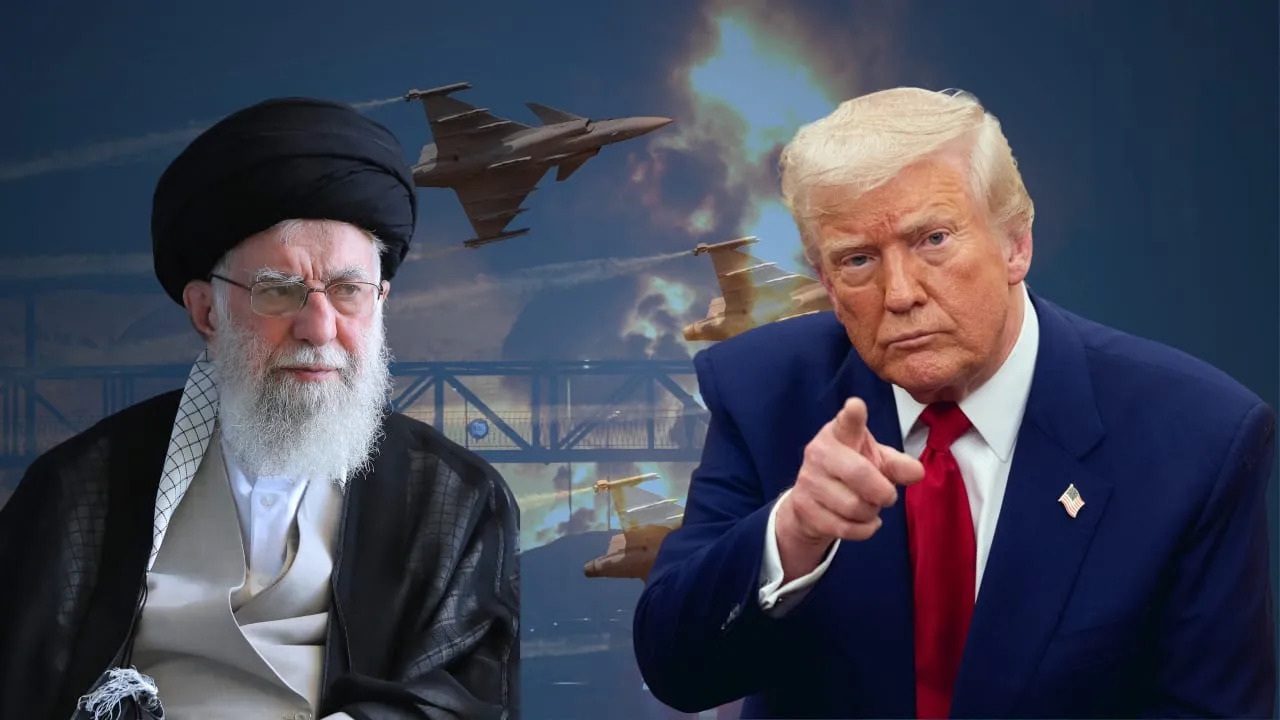
The Houthis (Ansar Allah), the Iran-backed militant group controlling much of northern Yemen, have played a supporting role as part of Iran’s Axis of Resistance. They officially entered the 2026 Iran war on or around March 28, 2026—about one month into the conflict—by launching attacks on Israel.
Houthi Actions in the Current Conflict
Missile and drone strikes on Israel: On March 28–29, the Houthis claimed responsibility for firing ballistic missiles at sensitive military sites in southern Israel near Beersheva and Eilat areas. They followed up with cruise missiles and drones.
Register for Tekedia Mini-MBA edition 20 (June 8 – Sept 5, 2026).
Register for Tekedia AI in Business Masterclass.
Join Tekedia Capital Syndicate and co-invest in great global startups.
Register for Tekedia AI Lab.
Israel intercepted the initial ballistic missile and subsequent threats; no major damage or casualties were reported from these specific launches. Houthi spokesman Yahya Saree described it as their first military operation in support of Iran, Lebanon, Iraq, and Palestinian groups, vowing continued actions until aggression against Iran and allies ends.
The group has warned of resuming attacks on shipping in the Red Sea and Bab el-Mandeb Strait, potentially disrupting global trade routes as they did extensively in 2023–2025 against vessels linked to Israel. Analysts note this could complement Iran’s efforts in the Strait of Hormuz by creating a dual-chokepoint pressure on maritime traffic.
Rhetoric from Houthi leaders and observers suggests they are positioned to target Saudi infrastructure, UAE sites, or Western military bases in the region more effectively than direct Iranian launches in some scenarios. However, as of late March 2026, their confirmed actions have focused on Israel rather than direct involvement in the Prince Sultan Air Base strike which was carried out by Iran itself.

The Houthis had largely stayed on the sidelines earlier in the war following a fragile ceasefire dynamic with Israel tied to Gaza developments in late 2025, but escalated in solidarity as Israeli/U.S. operations against Iran intensified. As one of Iran’s most capable non-state allies alongside Hezbollah in Lebanon, the Houthis provide asymmetric options. Their long-range missiles and drones often Iranian-supplied or designed allow strikes from Yemen that force Israel and coalition partners to expend air defenses, munitions, and intelligence resources.
This helps deplete stockpiles and stretches defensive lines without requiring direct Iranian involvement in every theater. Red Sea shipping disruption: Their prior campaign involved over 100 attacks on merchant vessels, sinking some and raising insurance costs dramatically. Re-entering this could economically pressure the U.S., Israel, and allies by affecting energy and goods flows.
Houthi reach is constrained by distance, Israeli and Saudi air defenses, and U.S. naval presence in the region. Many of their projectiles have been intercepted in past rounds. Saudi Arabia has historically responded forcefully to Houthi cross-border attacks during the Yemen civil war.
Houthi involvement widens the war geographically and complicates de-escalation. It risks drawing in more actors and escalates economic ripple effects through shipping and oil markets. U.S. officials and analysts view it as Iran leveraging proxies to maintain pressure while facing direct strikes on its territory and leadership.

No direct Houthi link has been publicly confirmed to the recent Iranian missile/drone attack on Prince Sultan Air Base in Saudi Arabia which wounded 10–15 U.S. troops and damaged aircraft. That was attributed to Iran proper. However, the timing of Houthi strikes on Israel has coincided with Iran’s retaliatory actions, contributing to the sense of a multi-front escalation.
The situation remains fluid. Houthi statements emphasize solidarity with Iran, while their actual operational tempo will depend on Iranian guidance, their own capabilities, and responses from Israel, the U.S., and Gulf states.
Pakistan to Host Talks between the United States and Iran in the Coming Days
Pakistan has announced it will host talks between the United States and Iran in the coming days, as part of regional efforts to de-escalate the ongoing month-long war involving US and Israeli actions against Iran.
Pakistani Foreign Minister Ishaq Dar made the statement on March 29, 2026, following a meeting in Islamabad with top diplomats from Türkiye, Egypt, and Saudi Arabia. He said: Pakistan is very happy that both Iran and the U.S. have expressed their confidence in Pakistan to facilitate the talks. Pakistan will be honored to host and facilitate meaningful talks between the two sides in the coming days for a comprehensive settlement.
The meeting focused on ways to end the conflict early and permanently, including potential direct or indirect US-Iran discussions in Islamabad. The diplomats are expected to meet again on March 30. Pakistani Prime Minister Shehbaz Sharif has publicly stated that Islamabad stands ready and honoured to host if both sides agree, and Pakistan has been quietly relaying messages between the parties.
Pakistan maintains relatively good ties with the US under President Trump, Iran, and Gulf states, positioning it as a potential neutral facilitator. No immediate confirmation or detailed response has come from Washington or Tehran about attending specific talks in Pakistan. President Trump has suggested a deal could be reached soon and that talks are progressing, while the US has deployed additional forces including Marines to the region and issued proposals like a 15-point framework for de-escalation.
Iran has shown skepticism, with officials dismissing some negotiations as cover for military plans and issuing strong warnings. Tehran has eased some restrictions on shipping through the Strait of Hormuz allowing more vessels but maintains a firm stance against perceived coercion. Iranian-backed groups like the Houthis have also become involved, raising risks to Red Sea shipping.
The conflict, now in its second month, has disrupted global energy markets, shipping through key chokepoints like Strait of Hormuz and potentially Bab el-Mandeb, and caused significant casualties and regional spillover including actions involving Israel, Lebanon, and Gulf states.
Analysts note wide gaps between the sides, with limited prospects for full normalization but possible pathways toward a ceasefire or temporary de-escalation. Pakistan’s move reflects its interest in regional stability and its role as a diplomatic bridge. Whether the talks materialize—and in what format—remains uncertain, with the situation fluid amid ongoing military posturing and parallel diplomatic channels.
Pakistan has a notable, though often understated, history of acting as a backchannel facilitator and occasional mediator in major international and regional conflicts. Its geographic position—bridging South Asia, Central Asia, and the Middle East—combined with relationships across rival powers including the US, China, Iran, Saudi Arabia, and Afghan factions has enabled it to play this role repeatedly, even as it faces its own domestic and border challenges.
Then-President General Yahya Khan facilitated secret backchannel contacts between the United States and China. This paved the way for US President Richard Nixon’s historic 1972 visit to Beijing and the eventual normalization of US-China diplomatic ties in 1979. This remains one of Pakistan’s most celebrated diplomatic contributions during the Cold War.
As a frontline state after the 1979 Soviet invasion of Afghanistan, Pakistan served as a key interlocutor. It channeled US, Saudi, and Chinese support to the Afghan mujahideen while participating in UN-brokered negotiations. These efforts contributed to the 1988 Geneva Accords, which facilitated the Soviet troop withdrawal.
Pakistan has long maintained influence over Afghan Taliban factions. In 2015, it hosted the first acknowledged direct talks between the Afghan government and the Taliban in Murree with US and Chinese observers. More significantly, Pakistan facilitated contacts that supported the US-Taliban negotiations, culminating in the 2020 Doha Agreement.
This deal set the stage for the US-led NATO withdrawal and the Taliban’s return to power in 2021. Islamabad has also hosted or supported intra-Afghan dialogues over the years. Outcomes will depend on responses from the US and Iran, as well as continued regional coordination.