

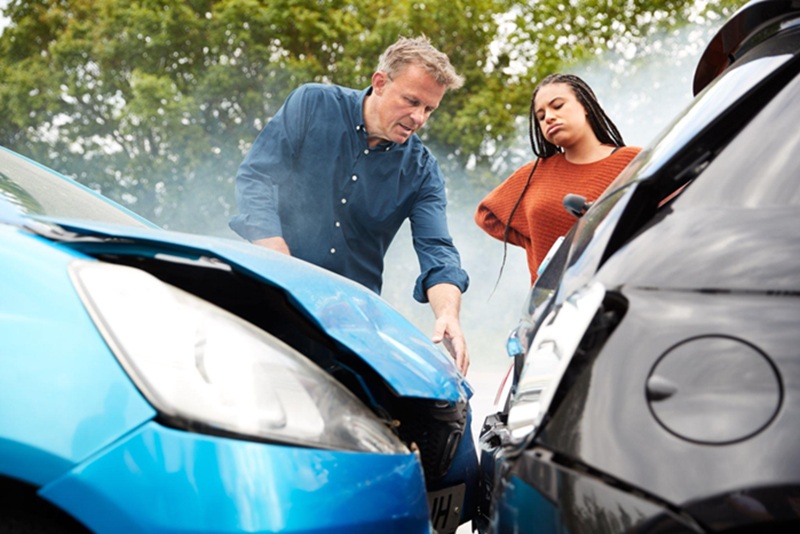
Facts become stronger than opinions after a crash. Every photo, document, and witness statement can tell part of the story, especially if the other driver has no insurance. Uninsured motorist claims often depend on clear proof because there is no insurance company representing the at-fault driver to confirm what happened. That makes good evidence one of the strongest parts of the entire process.
Speaking with a lawyer for uninsured motorist claims may also help people understand which records deserve careful attention. Strong evidence rarely appears by chance, so knowing what matters can make a real difference.
Evidence Becomes the Foundation of an Uninsured Motorist Claim
An uninsured motorist claim is different from many other accident claims because insurance coverage from the other driver is not available. Instead of relying on another insurance company to investigate the crash, much more attention is placed on the evidence collected after the accident. Every detail helps build a clearer picture of what happened before, during, and after the collision.
Evidence also reduces confusion. People involved in the same crash may remember events differently because accidents happen very quickly. Physical proof often fills those gaps by showing details that memories alone may miss. The stronger the documentation, the easier it becomes to understand how the collision happened.
The Pieces of Evidence That Can Make the Biggest Difference
Photos and Videos From the Accident Scene
Pictures taken at the scene often become some of the most valuable evidence. They can show vehicle damage, traffic signals, road conditions, skid marks, weather, and the position of each vehicle after the crash. Videos may capture details that are difficult to explain with words alone.
These images also preserve information before the scene changes. Damaged vehicles are moved, debris is cleared away, and traffic returns to normal. A simple collection of photographs can preserve important facts that might otherwise disappear forever.
Witness Statements
People who saw the crash may provide information that neither driver noticed. Independent witnesses usually have no personal connection to the accident, making their observations helpful in understanding how events unfolded.
Their statements may support other evidence already collected. If witness accounts match photographs, vehicle damage, or police reports, they help create a stronger and more complete picture of the collision.
Police Reports and Official Records
Police officers record important details after responding to many traffic accidents. Their reports often include the location, time, weather conditions, statements from those involved, and observations made at the scene.
Although a police report does not answer every question, it becomes another important record that supports the overall timeline. Official records also provide consistent information that can be reviewed later if questions arise.
Medical Records
Medical records connect the accident to the injuries that followed. They describe the condition of the injured person, the treatment received, and how recovery progressed over time.
Keeping complete medical records also creates consistency. Appointments, test results, and treatment notes help explain how the injuries developed after the crash instead of relying only on personal descriptions.
How Different Evidence Works Together
One photograph rarely explains an entire accident. One witness usually does not know every detail. One medical report tells only part of the recovery story. Strong claims are built by connecting many pieces of evidence into one clear timeline.
Photos may show where the crash happened. Witness statements explain what people saw before the collision. Police reports record official observations. Medical records connect the crash to physical injuries. Together, these records create a fuller understanding of the accident instead of depending on only one source.
Carefully organised documentation also makes information easier to review later if additional questions arise during the claim process.
Common Gaps That Can Weaken a Claim
Small missing details may create larger challenges later. Some common problems include:
- Missing photographs or videos from the accident scene.
- Waiting too long before seeking medical care.
- Failing to collect contact information from witnesses.
- Losing repair estimates, receipts, or other important documents.
- Providing inconsistent information in different records.
Avoiding these gaps helps create a more complete record that reflects the accident as accurately as possible.
Conclusion
Good evidence does more than collect facts. It creates a clear story supported by records instead of assumptions. Every photograph, medical record, witness statement, and official report adds another layer of understanding to the events surrounding a crash. Even small details gathered early may become valuable later because they help explain how the collision happened and how the injuries developed afterwards.
People dealing with an uninsured driver often discover that careful documentation becomes one of their strongest resources throughout the claims process. Working with a lawyer for uninsured motorist claims may also help identify important records, preserve valuable evidence, and keep information organised from beginning to end. Strong evidence cannot change what happened, but it can provide a clearer picture of the accident and support a more complete understanding of the claim.