

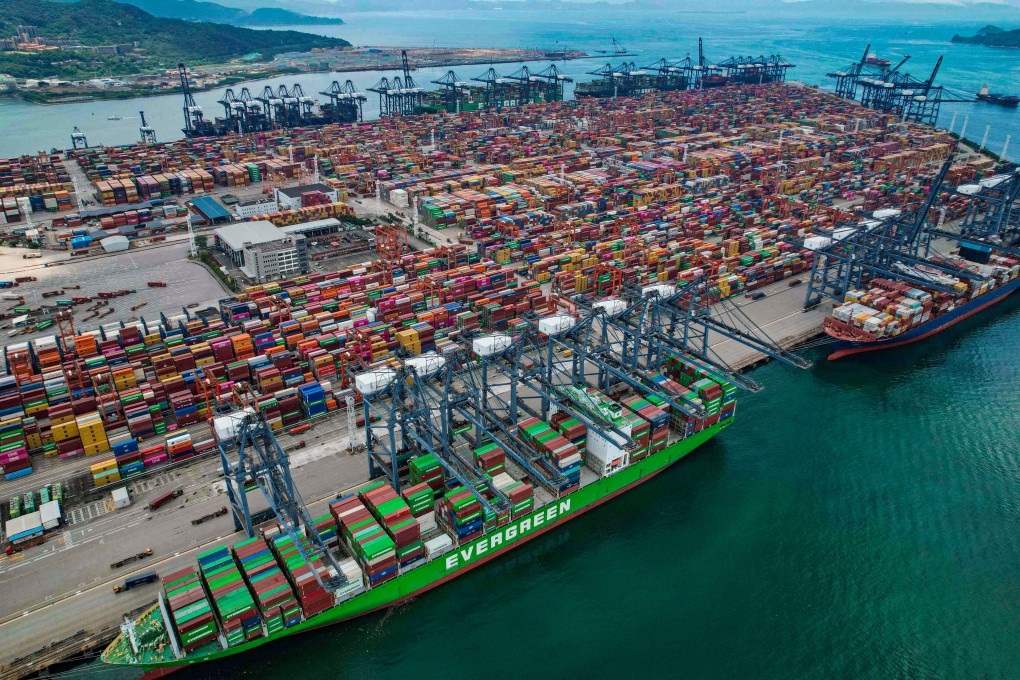
Global supply chains are undergoing a significant transformation as geopolitical tensions, trade restrictions and changing economic relationships reshape the movement of goods, raw materials and technology across international markets.
For decades, businesses prioritized efficiency, lower production costs and access to international suppliers. Recent disruptions have demonstrated that highly interconnected supply networks can become vulnerable when political disagreements, economic conflicts or unexpected crises interrupt established trading relationships.
As governments increasingly use tariffs, export controls and sanctions to advance strategic interests, companies must reconsider how they source materials, manufacture products and distribute goods.
Register for the next Tekedia Mini-MBA.
Register for Tekedia AI in Business Masterclass.
Join Tekedia Capital Syndicate and co-invest in great global startups.
The challenge is no longer simply about reducing operational expenses but about building supply networks capable of withstanding uncertainty while maintaining profitability and competitiveness.
One major development is the growing shift toward supply chain diversification. Businesses that previously depended on a single country or supplier are exploring alternative markets to reduce their exposure to geopolitical risks.
For example, companies are increasingly considering manufacturing opportunities in Southeast Asia, India and other emerging economies to complement existing operations in China.

This strategy commonly described as China plus one, allows businesses to maintain access to established production networks while creating alternatives if trade restrictions or political tensions intensify.
Diversification comes with additional costs. Establishing new facilities, qualifying suppliers and developing transportation routes require significant investments.
Companies must navigate different regulatory environments, labor markets and infrastructure capabilities. Many businesses recognize that the cost of maintaining alternative suppliers may be considerably lower than the financial consequences of a prolonged disruption.

Technology is becoming essential to supply chain resilience. Artificial intelligence, predictive analytics and real-time monitoring systems enable companies to identify potential bottlenecks, forecast demand fluctuations and assess supplier vulnerabilities.
By analyzing information from transportation networks, commodity markets and geopolitical developments, businesses can make faster decisions and respond before disruptions escalate.
Digital visibility helps organizations coordinate inventory, improve communication with suppliers and reduce uncertainty throughout their operations. Another important trend is nearshoring and friendshoring.
Nearshoring involves moving production closer to major consumer markets, while friendshoring prioritizes countries considered politically and economically reliable partners. These approaches can reduce transportation times, strengthen cooperation and limit exposure to international disputes.
Businesses must carefully evaluate whether the benefits justify potentially higher labor, energy and production costs. Governments are reinforcing these changes through industrial policies designed to protect strategic industries and secure essential resources.
Semiconductors, energy, pharmaceuticals and critical minerals have become particularly important because shortages can affect national security and economic stability. Companies operating in these sectors must increasingly consider government regulations and diplomatic relationships when making long-term investment decisions.
Resilient supply chains require more than replacing one supplier with another. Businesses must develop comprehensive risk management strategies, maintain appropriate inventory buffers, strengthen supplier relationships and regularly test contingency plans.
Collaboration between manufacturers, logistics providers and governments can further improve preparedness and accelerate responses to unexpected events. Although geopolitical uncertainty creates substantial operational challenges.
It presents opportunities for innovation and strategic growth. Companies that invest in flexibility, diversification and technological capabilities can respond more effectively to changing market conditions.
The future of global supply chains will therefore depend on balancing efficiency with resilience. Organizations that anticipate disruption, understand critical dependencies and adapt quickly will be better positioned to protect their operations.
Maintain customer confidence and secure sustainable competitive advantages in an increasingly unpredictable global economy.