

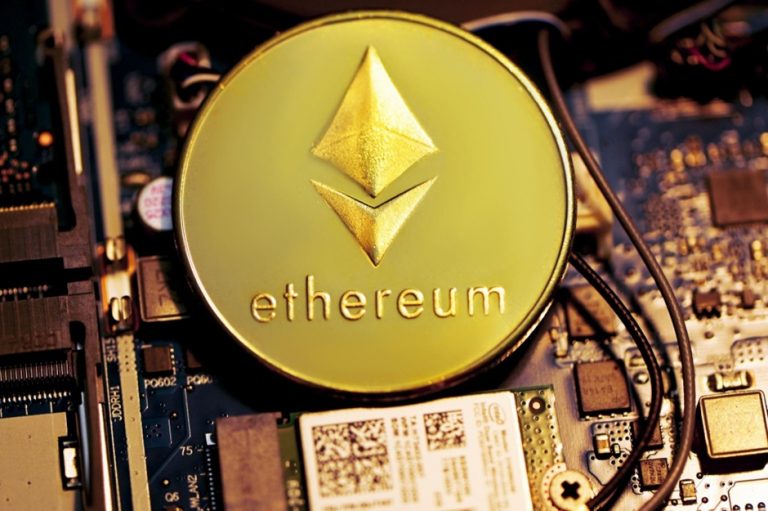
A recent wave of coordinated exploits targeting hundreds of dormant Ethereum Virtual Machine (EVM) wallets has sent a chill through the crypto ecosystem, highlighting a largely overlooked vulnerability: the long tail of inactive accounts. Unlike high-profile hacks that typically focus on exchanges or active decentralized finance (DeFi) protocols, this incident represents a quieter, more insidious threat—one that capitalizes on neglect, outdated security assumptions, and the persistence of private key exposure over time.
Dormant wallets, by definition, are accounts that have seen little to no activity for extended periods. These wallets often belong to early adopters, forgotten users, or entities that have moved on from crypto but left assets behind. In many cases, such wallets are presumed safe due to their inactivity. However, this exploit demonstrates the opposite: inactivity can be a liability. Without regular monitoring or updated security practices, these wallets become soft targets for attackers who are willing to play the long game.
Preliminary on-chain analysis suggests that the attacker—or group of attackers—used a methodical approach. Rather than deploying a single exploit, they appear to have aggregated a database of compromised private keys over time. These keys may have been sourced from old data breaches, phishing campaigns, malware infections, or even publicly exposed repositories where users mistakenly uploaded sensitive information. Once enough keys were collected, the attackers likely automated a sweeping operation, scanning the blockchain for wallets with non-zero balances and initiating transfers to consolidate funds.
What makes this event particularly concerning is the sophistication of timing. Many of the exploited wallets had been inactive for years, indicating that the attackers waited until the value of assets—especially tokens and NFTs—had appreciated significantly. This patience suggests a strategic mindset, where attackers treat compromised keys as long-term options rather than immediate cash-outs. It also raises the possibility that more such time bomb wallets exist, already compromised but not yet exploited.
Register for the next Tekedia Mini-MBA.
Register for Tekedia AI in Business Masterclass.
Join Tekedia Capital Syndicate and co-invest in great global startups.
The broader implication is a fundamental challenge to the assumption of self-custody security. In theory, owning your private keys ensures complete control over your assets. In practice, however, the security of those keys is only as strong as the weakest moment in their history. A key exposed even briefly—years ago—remains vulnerable indefinitely unless the assets are moved to a new wallet. This creates a persistent attack surface that grows over time as more users enter and exit the ecosystem.
Moreover, the exploit underscores the limitations of current wallet infrastructure. Most wallets do not provide proactive alerts for unusual activity, especially for long-dormant accounts. Nor do they offer mechanisms for periodic key rotation or automated migration to safer addresses. As a result, users who are not actively engaged with their wallets receive no warning until it is too late.
From a systemic perspective, this incident may accelerate the adoption of more advanced security models. Multi-signature wallets, hardware-based custody, and smart contract wallets with social recovery features could become more mainstream as users recognize the risks of static private keys. Additionally, there may be increased interest in wallet monitoring services that track dormant accounts and flag suspicious movements in real time.

Regulatory implications could also emerge. While decentralized systems resist direct oversight, repeated incidents of large-scale theft—especially involving inactive users—may prompt calls for better consumer protection standards. This could include guidelines for wallet providers to implement stronger default security measures or educational initiatives to ensure users understand the long-term risks of key exposure.
Ultimately, the exploitation of dormant EVM wallets serves as a stark reminder that in crypto, security is not a one-time action but an ongoing process. The blockchain may be immutable, but the threats surrounding it are constantly evolving. For users, the lesson is clear: if a wallet holds value, it must be actively secured, monitored, and, when necessary, refreshed. Otherwise, what appears to be safely stored wealth may, in reality, be quietly waiting to be claimed by someone else.
Solana Continued Seven Straight Months of Bearish Sentiment
The recent performance of Solana has drawn growing concern across the crypto ecosystem, as the asset records its seventh consecutive monthly red candle—a rare and telling signal in a market often defined by volatility but punctuated by cyclical recoveries. This sustained downward trajectory reflects not just short-term bearish sentiment, but a convergence of structural, macroeconomic, and ecosystem-specific pressures that continue to weigh heavily on the network’s native token, $SOL.

At a technical level, seven straight months of negative price action underscores persistent selling pressure and a lack of meaningful bullish momentum. In traditional financial markets, such a streak would often be interpreted as a prolonged downtrend, signaling weak investor confidence and the absence of strong support levels. In crypto, where sentiment can shift rapidly, such extended declines are less common and therefore more psychologically impactful.
Traders and long-term holders alike begin to reassess their positions, often leading to further capitulation. One of the core drivers behind Solana’s decline is the broader macroeconomic environment. Global liquidity conditions have tightened significantly over the past year, with central banks maintaining elevated interest rates to combat inflation. Risk-on assets like cryptocurrencies tend to suffer under such conditions, as capital flows toward safer, yield-bearing instruments.
As a result, even fundamentally strong projects are not immune to sustained drawdowns. Solana, despite its technological advantages, has been caught in this macro drag. However, macro factors alone do not fully explain the depth and persistence of Solana’s downturn. The network has faced its own set of challenges, particularly around reliability and perception.
Historically, Solana has struggled with network outages and congestion issues, which have raised concerns about its robustness as a high-performance blockchain. While improvements have been implemented, reputational damage tends to linger longer than technical fixes. For institutional participants and developers choosing a platform, reliability is paramount, and any lingering doubts can slow ecosystem growth.
Additionally, the competitive landscape has intensified. Other layer-1 blockchains and scaling solutions have continued to evolve, offering improved security, decentralization, and developer tooling. Networks like Ethereum’s layer-2 ecosystem have gained traction, drawing liquidity and developer activity away from alternative chains. This fragmentation of attention and capital has diluted Solana’s once-dominant narrative as the go-to high-throughput blockchain.
Another factor contributing to the prolonged decline is the unwinding of speculative excess from previous cycles. During its peak, Solana benefited from a surge in NFT activity, DeFi expansion, and retail enthusiasm. As those sectors cooled, so too did the demand for SOL. Many projects that once thrived on Solana have either scaled down, migrated, or failed entirely, reducing on-chain activity and weakening the fundamental demand for the token.
Despite these headwinds, it would be premature to declare Solana’s trajectory as irreversibly negative. Extended downtrends often lay the groundwork for eventual recovery, particularly if the underlying technology continues to improve and developer engagement remains intact. Solana still boasts one of the most active developer communities in the crypto space, and its high throughput and low transaction costs remain compelling advantages.
Moreover, market cycles in crypto are notoriously unforgiving but equally capable of sharp reversals. A shift in macro conditions—such as easing monetary policy—or a resurgence in on-chain activity could quickly alter sentiment. For Solana, key indicators to watch include network stability, developer growth, and the return of meaningful user activity across DeFi, NFTs, and emerging sectors like decentralized infrastructure.
Solana’s seven-month streak of red candles is a reflection of both external pressures and internal challenges. It highlights the fragility of market sentiment and the importance of sustained fundamentals in navigating prolonged downturns. Whether this period marks a prolonged decline or the foundation for a future rebound will depend on how effectively the network adapts, innovates, and rebuilds confidence in the months ahead.