

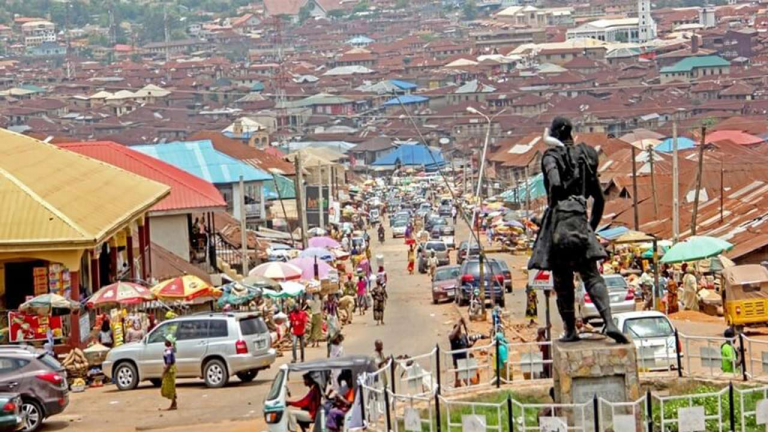
When most conversations about Nigerian cities revolve around Lagos or Abuja, Ibadan often remains an afterthought. Yet, as Nigeria’s largest city by landmass and a rapidly evolving metropolitan hub, Ibadan is increasingly catching the attention of professionals, entrepreneurs, and families who want affordability without completely losing urban conveniences. But what is it really like to live in Ibadan?
To answer that, we need to go beyond surface-level rankings like those found on crowdsourced platforms such as Numbeo. While useful for quick comparisons, they can be misleading because of small sample sizes and subjective data. A more rounded picture emerges when we combine these snapshots with official reports, local insights, and lived experiences.
Healthcare: Progress Amid Persistent Challenges
Healthcare is often a top concern for those relocating, and Ibadan offers a mixed story. On one hand, the Oyo State Government has been proactive, refurbishing over 200 primary healthcare centers and expanding the number of general hospitals across local governments. Specialized facilities such as a World Health Organisation-supported neonatal and maternal intensive care unit place Ibadan ahead of many Nigerian cities in terms of infrastructure.
Register for Tekedia Mini-MBA edition 20 (June 8 – Sept 5, 2026).
Register for Tekedia AI in Business Masterclass.
Join Tekedia Capital Syndicate and co-invest in great global startups.
Register for Tekedia AI Lab.
The state’s health insurance scheme is also gaining traction. Tens of thousands of residents can now access care at a fraction of previous out-of-pocket costs. This affordability is a game-changer for households who would otherwise spend disproportionately on medical expenses.
However, structural challenges remain. Frequent strikes by healthcare workers, staff shortages in rural clinics, and the proliferation of unregulated “quack” practices threaten to undercut these gains. Maternal and infant mortality rates, though improving, remain stubbornly high compared to neighbouring states. For new residents, this means quality healthcare is available, but navigating the system requires careful planning, awareness of facility differences, and possibly private insurance as a supplement.
Transportation: A City of Movement
If Lagos is synonymous with gridlock, Ibadan offers a reprieve. Its extensive road network, including the Lagos to Ibadan Expressway, the Mokola Flyover, and the iconic Ring Road, connects major districts efficiently. Recent efforts by the state’s traffic management agency to extend operations into night hours show responsiveness to rising congestion as the city grows.

Public feedback suggests that while traffic does occur, particularly on commercial corridors, it rarely reaches the paralyzing levels seen in Lagos. For daily commuters, this can mean significant time savings and less stress, making Ibadan an appealing base for professionals working remotely or traveling occasionally to Lagos by road or train.
Cost of Living: Affordable but Rising
One of Ibadan’s strongest draws is affordability. Housing remains far cheaper than in Lagos, with rents ranging from ?250,000 for modest flats to over ?1 million in high-demand neighborhoods. Daily essentials are also comparatively accessible. A loaf of bread costs about ?1,500, a 5kg bag of rice ?7,000, and cooking gas around ?20,000. For families, this translates into a lifestyle that is financially sustainable without constant sacrifice.
Affordability, however, is relative. Inflation continues to erode purchasing power, and salary levels in Ibadan often lag behind Lagos or Abuja. For expatriates or Nigerians relocating from abroad, this may feel like an advantage. For locals, the squeeze is real. Anyone considering a move should weigh both the lower cost of goods and the potential trade-offs in income opportunities.

The Intangibles: Why Ibadan Matters
Beyond data, Ibadan holds an intangible appeal. It is a city of firsts, the site of Nigeria’s first university, the nation’s first television station, and a cultural melting pot rich with history. Its slower pace compared to Lagos offers breathing room, while its proximity to the commercial capital, less than two hours by road or train, keeps it strategically connected.
For entrepreneurs, academics, or young families, Ibadan provides modern infrastructure, affordable living, and a growing sense of opportunity without the chaos of Nigeria’s larger cities. Yet it also demands realism. Healthcare reform is still a work in progress, job markets are narrower, and infrastructure expansion is catching up with population growth.