

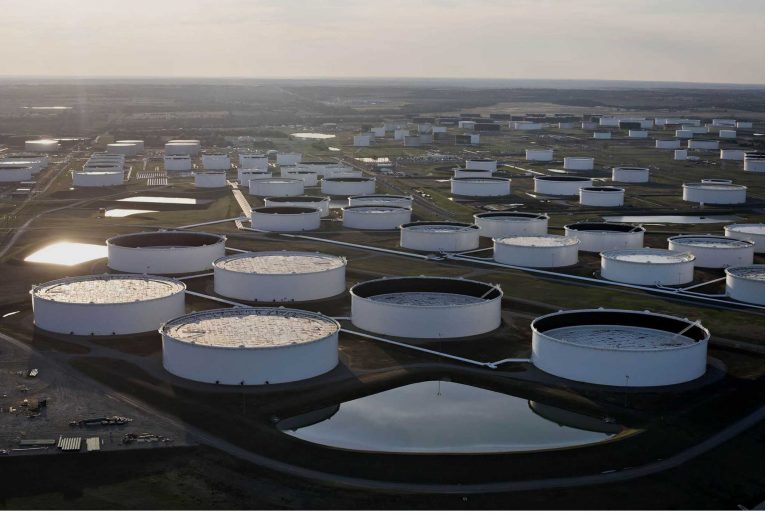
G7 countries are actively considering a joint release of emergency oil reserves also known as strategic petroleum reserves.
This stems from a sharp surge in global oil prices—crude has spiked above $100 per barrel; peaking near $120 earlier before pulling back somewhat, driven by the ongoing war involving the US, Israel, and Iran, which has disrupted supplies in the Gulf region including potential impacts on the Strait of Hormuz.
G7 finance ministers held an emergency virtual meeting today to discuss the option. The talks are coordinated with the International Energy Agency (IEA) and its executive director, Fatih Birol. At least three G7 members, including the United States, have expressed support for a coordinated release.
Register for Tekedia Mini-MBA edition 20 (June 8 – Sept 5, 2026).
Register for Tekedia AI in Business Masterclass.
Join Tekedia Capital Syndicate and co-invest in great global startups.
Register for Tekedia AI Lab.
Around 300 million to 400 million barrels roughly 25-35% of the IEA’s collective ~1.2 billion barrels in reserves held by its 32 members. This would be one of the largest such actions in history if approved, exceeding the 2022 release after Russia’s invasion of Ukraine. France has confirmed the use of strategic reserves is “an option being considered,” per officials including President Emmanuel Macron.
The goal is to stabilize markets, curb inflation risks from high energy costs, and mitigate supply shocks without fully resolving underlying geopolitical issues. Oil prices have already eased somewhat; Brent around $102-105 in some reports on news of the discussions alone, showing market sensitivity to potential intervention.
This would involve IEA-coordinated action among member nations which include all G7 countries: US, Canada, UK, France, Germany, Italy, Japan—plus others. The potential joint release of strategic oil reserves by G7 countries potentially 300–400 million barrels, or about 25–35% of the IEA’s collective ~1.2 billion barrels in emergency stocks — would aim to counteract the sharp oil price surge triggered by the escalating US-Israeli war with Iran, including disruptions in the Gulf region and partial closure of the Strait of Hormuz.
This is a fast-moving situation as of March 9, 2026 with the emergency G7 finance ministers’ virtual meeting underway or recently concluded, so outcomes depend on whether a decision is reached and implemented quickly. Oil prices have pulled back significantly from intraday highs due to the mere discussion and prospect of intervention.

Brent crude spiked as much as 25–29% earlier today, peaking near $119–120 per barrel highest since mid-2022. It has since retreated to around $102–107 per barrel in various reports still up ~15% on the day but well off peaks. WTI crude followed a similar pattern, easing from highs near $114–118 to around $102–104.
This demonstrates high market sensitivity: News of the G7/IEA talks alone provided temporary relief by signaling potential increased supply, curbing panic buying. A release of this scale would flood the market with emergency supply, aiming to offset Gulf disruptions and producer cuts.
It could cap or reduce prices in the near term, preventing a sustained spike above $100–120. High oil drives up fuel, transport, and goods costs globally. Curbing the surge would help limit broader inflationary pressures, especially in energy-importing economies. This reduces risks to consumer spending, business costs, and central bank rate decisions.

Lower energy costs support growth, ease stock market slumps, and avoid a deeper recession risk from prolonged high prices. It provides breathing room for governments facing domestic cost-of-living concerns. Analysts note this is a “one-time” buffer — it doesn’t fix underlying supply issues.
Prices could rebound if disruptions persist, and it might delay market adjustment to a new “geopolitical risk premium” potentially adding $4–10/bbl long-term. Without intervention, sustained high prices threaten growth, higher inflation, and reduced central bank flexibility.
A successful release would blunt these, though experts warn it’s “limited” against major prolonged disruptions. This would mark the first major IEA-coordinated action since 2022, reinforcing collective response mechanisms but depleting reserves potentially leaving less buffer for future crises.
Crypto and risk assets have shown some relief from the oil pullback, as lower energy/inflation fears support sentiment. No final decision has been publicly confirmed yet — reports indicate strong support at least from the US and two others, but others are still assessing. The meeting’s outcome could shift prices further today. If no action follows, volatility might return quickly given the war’s unpredictability.