

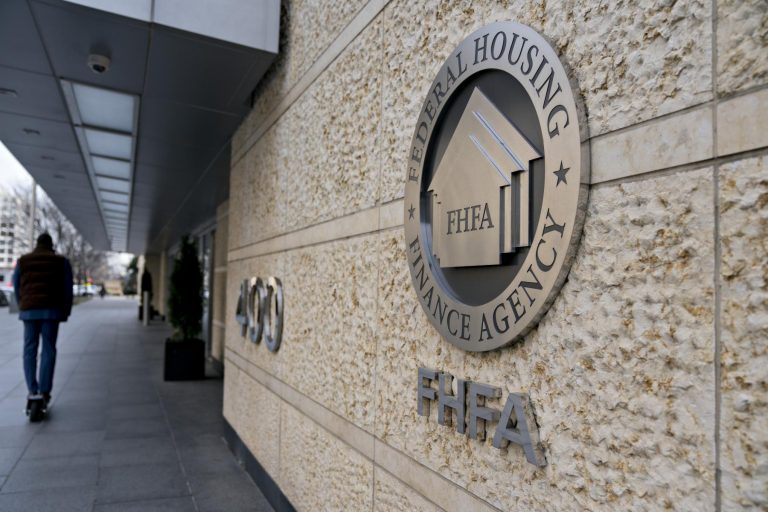
The U.S. Federal Housing Finance Agency (FHFA), Director Bill Pulte, appointed by Trump, announced on June 24, 2025, via X that the agency will study how cryptocurrency holdings could factor into mortgage qualification processes. This aligns with Pulte’s crypto-friendly stance, as he holds significant Bitcoin and Solana assets.
The FHFA oversees Fannie Mae, Freddie Mac, and the Federal Home Loan Banks, and this move could integrate digital assets into traditional finance if implemented. No specific timeline or details on implementation were provided, and the study’s outcome remains uncertain. Critics have raised concerns about potential risks, citing the 2008 housing crisis, but no peer-reviewed data currently supports fears of a crypto-driven housing bubble.
A rate cut would lower borrowing costs, potentially stimulating economic activity by encouraging consumer spending and business investment. This could boost sectors like housing, retail, and manufacturing but risks overheating an already strong economy if not carefully managed. With inflation still a concern (recent data shows core PCE inflation around 2.6% annualized), a premature rate cut could reignite inflationary pressures, especially if supply chains remain strained or energy prices spike. This could erode consumer purchasing power and force the Fed into sharper hikes later.
Register for Tekedia Mini-MBA edition 20 (June 8 – Sept 5, 2026).
Register for Tekedia AI in Business Masterclass.
Join Tekedia Capital Syndicate and co-invest in great global startups.
Register for Tekedia AI Lab.
Financial markets often rally on expectations of rate cuts due to cheaper credit and higher asset valuations. However, uncertainty about the Fed’s long-term strategy could lead to volatility, especially if investors perceive a divide among Fed members. Since the members in question were appointed by Trump, their leanings might be seen as aligning with his economic agenda, which historically favored deregulation and growth-oriented policies. This could fuel perceptions of political influence over the Fed’s independence, potentially undermining its credibility.
The FHFA’s exploration of cryptocurrency holdings for mortgage qualification has far-reaching implications: Mainstream Crypto Adoption including crypto assets in mortgage qualifications could legitimize digital currencies in traditional finance, potentially increasing their use and value. This could benefit crypto holders by allowing them to leverage assets like Bitcoin or Ethereum for home purchases.
If crypto holdings are treated as assets, it could expand the pool of qualified borrowers, driving demand in the housing market. However, this could also inflate home prices, exacerbating affordability issues, especially in high-demand areas. Crypto’s volatility poses risks. A sharp decline in crypto values could leave borrowers underwater on mortgages if their qualifications heavily relied on digital assets. Critics, as noted in X posts, fear this could echo the 2008 subprime crisis, though no data currently supports such a severe outcome.

The FHFA would need to develop robust frameworks to assess crypto holdings’ value and stability, likely requiring coordination with the SEC or CFTC. This could delay implementation and spark debates over regulation in a politically charged environment. A split within the Fed could emerge between hawkish members (favoring tighter policy to curb inflation) and dovish members (supporting rate cuts to sustain growth).
If Trump-appointed members like Christopher Waller or Michelle Bowman are pushing for cuts, they may clash with others like Loretta Mester, who has emphasized data-driven caution (though Mester retired in 2024). Without specific names, it’s unclear who the dovish members are, but such a divide could complicate the FOMC’s consensus-driven process.
Trump’s vocal criticism of Fed Chair Jerome Powell and preference for low rates could amplify perceptions of a politically motivated split, especially if his appointees are seen as aligning with his views. This risks undermining public trust in the Fed’s independence. FHFA Director Bill Pulte’s crypto-friendly stance contrasts with traditional banking sectors wary of digital assets’ volatility.

Economic Equity Concerns including crypto could favor wealthier or tech-savvy borrowers, potentially widening inequality in homeownership access. Conversely, traditionalists argue for stricter asset criteria to maintain stability, creating tension over who benefits from such policies.
A potential Fed rate cut signals a divide between growth-oriented and inflation-cautious policymakers, with economic and political ramifications. The FHFA’s crypto study could bridge digital and traditional finance but risks deepening divides over financial stability and equity.