

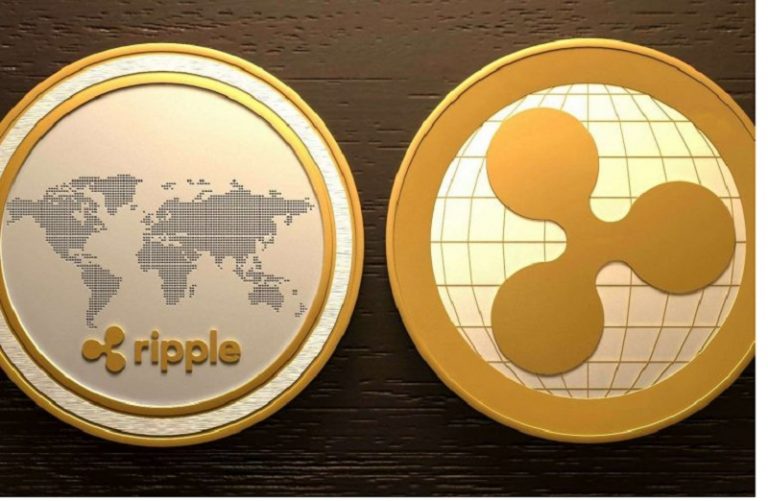
XRP is trading at approximately $3.42-$3.57, with a recent high of $3.66, marking its strongest performance in over six years. The price has surged significantly, up 300% over the past year, driven by Ripple’s application for a U.S. national bank charter with the Office of the Comptroller of the Currency (OCC) and growing optimism around potential XRP spot ETF approvals.
The charter, if approved, would allow Ripple to operate as a federally regulated trust bank, enabling nationwide services, custody of its RLUSD stablecoin reserves, and deeper institutional partnerships. This move is seen as a step toward integrating crypto with traditional finance, boosting investor confidence. However, some analysts caution that the bank charter may have limited immediate impact on XRP’s price, as it doesn’t directly alter its regulatory status or enable institutional sales in the U.S. without SEC approval.
Technical indicators suggest bullish momentum, with potential targets of $5 or higher if XRP breaks key resistance levels around $3.34-$3.84. Posts on X reflect strong community optimism, with some speculating prices as high as $10-$100, though these are speculative and lack concrete evidence. Regulatory hurdles, including the ongoing SEC lawsuit, and competition from traditional banks could temper short-term gains.
Register for Tekedia Mini-MBA edition 20 (June 8 – Sept 5, 2026).
Register for Tekedia AI in Business Masterclass.
Join Tekedia Capital Syndicate and co-invest in great global startups.
Register for Tekedia AI Lab.
XRP’s price, currently around $3.42-$3.57 (as of July 19, 2025), reflects a 300% yearly gain, fueled by Ripple’s bank charter application and ETF speculation. Breaking the $3.34-$3.84 resistance could push XRP toward $5 or higher, per technical analysis, boosting investor confidence. A bank charter would position Ripple as a federally regulated entity, potentially attracting institutional investors by offering a bridge between crypto and traditional finance. This could increase XRP’s utility in cross-border payments and RLUSD stablecoin custody.
Speculative X posts predict XRP reaching $10-$100, but these lack evidence and highlight volatility risks. A failure to sustain momentum or regulatory setbacks could trigger sharp corrections. A national bank charter from the OCC would allow Ripple to operate nationwide, bypassing state-by-state licensing, and custody RLUSD reserves securely. This could enhance Ripple’s credibility and enable partnerships with traditional banks.
By integrating with the U.S. banking system, Ripple could outpace competitors like Stellar or SWIFT in cross-border payments, leveraging XRP’s speed and low cost. The ongoing SEC lawsuit remains a hurdle. A charter doesn’t resolve XRP’s security status, potentially limiting institutional sales in the U.S. unless resolved. Approval of an XRP spot ETF, as speculated on X, could drive mainstream adoption, similar to Bitcoin and Ethereum ETFs. This would likely increase liquidity and price stability.

Ripple’s charter pursuit could set a model for other crypto firms seeking banking integration, potentially normalizing crypto in traditional finance. X posts show a mix of euphoria and skepticism, with some users calling XRP a “game-changer” and others warning of regulatory risks or centralized control concerns.
Many XRP holders (“XRP Army”) on X are optimistic, citing the charter and ETF hopes as catalysts for parabolic growth. Some extrapolate prices to $10-$100, driven by community enthusiasm and Ripple’s institutional moves. Others on X and analysts argue the charter’s impact is overstated, as it doesn’t directly affect XRP’s regulatory status. They warn of overbought conditions (RSI nearing 80) and potential dumps if ETF approvals falter.
Supporters view Ripple’s charter as a step toward regulatory clarity, potentially easing tensions with the SEC and fostering crypto-friendly policies under a new administration. Some banks and regulators may oppose Ripple’s entry, fearing disruption to legacy systems. The SEC’s lawsuit reflects ongoing friction over crypto’s role in finance.

Some crypto enthusiasts criticize Ripple’s centralized control over XRP (holding ~40% of supply) and its banking ambitions, arguing it betrays blockchain’s decentralized ethos. Others see Ripple’s strategy as necessary for mainstream adoption, bridging crypto with real-world finance to drive utility and value.
Ripple’s bank charter and XRP’s price surge signal a pivotal moment for the company and the crypto market. The charter could solidify Ripple’s role in global finance, boosting XRP’s adoption, but regulatory and competitive challenges persist. The divide—between bullish investors and skeptics, pro-crypto advocates and traditional finance, and decentralization purists versus pragmatists—underscores the uncertainty.