

India is scrambling to safeguard its energy security after Iran’s leadership vowed to keep the Strait of Hormuz closed, a move that threatens the flow of oil and gas through one of the world’s most critical shipping corridors and exposes the vulnerabilities of the world’s third-largest crude importer.
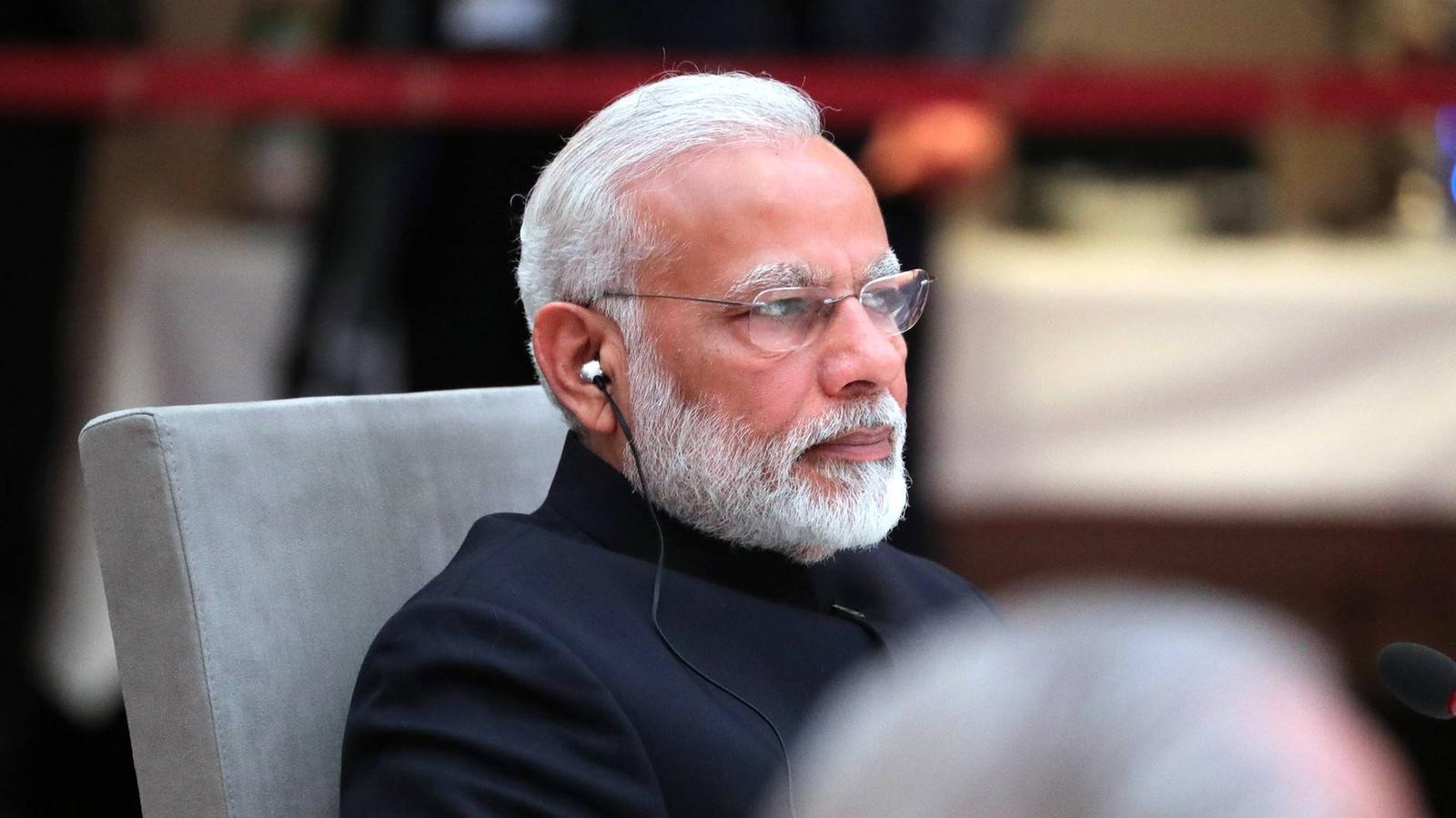
Prime Minister Narendra Modi held urgent talks with Iranian President Masoud Pezeshkian within hours of the declaration, underscoring New Delhi’s growing alarm over supply disruptions and rising energy costs that are already triggering panic-buying in parts of the country.
The call marked Modi’s first direct contact with Iran since the war began and highlighted the diplomatic pressure building on major Asian economies that rely heavily on energy shipments through the narrow waterway linking the Persian Gulf to global markets.
Register for Tekedia Mini-MBA edition 20 (June 8 – Sept 5, 2026).
Register for Tekedia AI in Business Masterclass.
Join Tekedia Capital Syndicate and co-invest in great global startups.
Register for Tekedia AI Lab.
“The safety and security of Indian nationals, along with the need for unhindered transit of goods and energy, remain India’s top priorities,” Modi said in a message posted on X after the conversation.
A Chokepoint For India’s Energy Lifeline
The Strait of Hormuz, like many others, is strategically important to India’s economy. According to estimates from Citigroup, about half of India’s crude oil imports move through the strait, while the majority of its liquefied petroleum gas (LPG) — the primary cooking fuel used by households and businesses — also transits the route.
The closure, therefore, threatens not only oil supply but also the availability of cooking fuel used by nearly 330 million households and more than 3 million businesses. For India, where energy demand has surged alongside rapid economic growth and urbanization, such a disruption poses immediate economic risks.

Analysts say the country’s reliance on imported fuel makes it particularly exposed to geopolitical shocks in the Middle East.
“India needs more oil and gas,” said Nikhil Bhandari of Goldman Sachs, noting that the country has a significantly smaller inventory buffer than many East Asian economies and is therefore more vulnerable to supply disruptions.
The supply risks are already rippling through India’s domestic energy market. Government officials say petrol stations still have adequate fuel supplies, but panic buying of LPG cylinders has begun to strain the system.

The shortage is particularly acute for commercial users such as restaurants and hotels, which rely on larger LPG cylinders.
The National Restaurant Association of India said some restaurants have begun closing temporarily or reducing menus as commercial LPG cylinders become harder to obtain. In response, authorities have instructed pollution control boards to allow restaurants to temporarily switch to alternative fuels such as kerosene, biomass, or coal.
While the measure is intended to conserve LPG for households, it also illustrates how quickly energy shortages can disrupt sectors ranging from hospitality to food services.
The government has also tightened distribution rules, extending the waiting period between LPG cylinder bookings to 25 days in urban areas and up to 45 days in rural regions.
Inflation Pressures Mounting
Economists warn that the disruption is likely to feed into inflation across the broader economy. Citigroup estimates that sustained oil prices between $90 and $100 per barrel could push retail fuel prices up by between 5 and 10 rupees per liter.
That increase alone could add up to 50 basis points to India’s consumer inflation rate, posing a challenge for policymakers seeking to maintain price stability. The bank now sees a 50- to 75-basis-point upside risk to its forecast of 4% inflation for the financial year ending March 2027.
Meanwhile, analysts at Nomura have raised their forecast for India’s consumer inflation to 4.5% from 3.8%, citing higher cooking fuel costs and rising prices in restaurants and food services, according to Reuters.
India has already raised the price of LPG cylinders by about 60 rupees, or roughly 6.5%, though economists say political considerations may limit further increases as several states head into election campaigns.
Currency And Trade Risks
The energy shock is also putting pressure on India’s external accounts. The Indian rupee has weakened sharply in recent sessions, trading near record lows of around 92.48 to the dollar as markets factor in the prospect of higher oil import bills.
Economists warn that sustained oil prices near $100 per barrel could widen India’s current account deficit and intensify downward pressure on the currency. Radhika Rao, senior economist at DBS Bank, estimates that oil prices averaging $100 per barrel could widen India’s current account deficit by around 70 basis points.
India’s current account deficit stood at about 1.3% of GDP at the end of December 2025. A sustained widening of the deficit would increase the country’s reliance on foreign capital flows and potentially weaken the rupee further.
Supply disruptions are already evident in shipping data. Energy intelligence firm Kpler estimates that around 130 million barrels of crude oil remain stranded in the Middle East Gulf because vessels cannot safely transit the Strait of Hormuz.
India Is Among The Countries Affected.
Officials say at least 28 Indian vessels carrying nearly 800 seafarers remain stuck in the strait. Foreign Minister Subrahmanyam Jaishankar has held multiple discussions with Iranian Foreign Minister Seyed Abbas Araghchi in recent days, focusing on the safety of shipping routes and energy supplies.
A spokesperson for India’s foreign ministry said the talks addressed “the safety of shipping and India’s energy security,” but declined to provide further details.
In the meantime, India has stepped up efforts to diversify its oil supply. The country now imports crude from more than 40 nations, with shipments from Russia increasing significantly.
Data from Kpler shows India purchased about 1.46 million barrels per day of Russian crude in March, up from around 1 million barrels per day in February.
Market chatter indicates that Indian refiners recently bought Russian Urals crude at a premium of about $5 per barrel above Brent for deliveries in March and April — a sign that tight supply is pushing up prices even for discounted barrels.
Yet analysts say shifting supply chains is easier said than done.
“If Hormuz remains closed beyond the near term, India will be forced into a structural reconfiguration it was never fully prepared for, at a cost premium it may not be able to afford,” said Reema Bhattacharya of Verisk Maplecroft.
Energy experts note that rerouting supplies from other producers often requires longer shipping routes, higher freight costs, and competition with other major importers. That means the current crisis could mark more than a temporary disruption. If the closure persists, it could reshape the country’s energy trade patterns and push fuel costs higher for an extended period — reinforcing concerns that the surge in global energy prices may not ease anytime soon.