

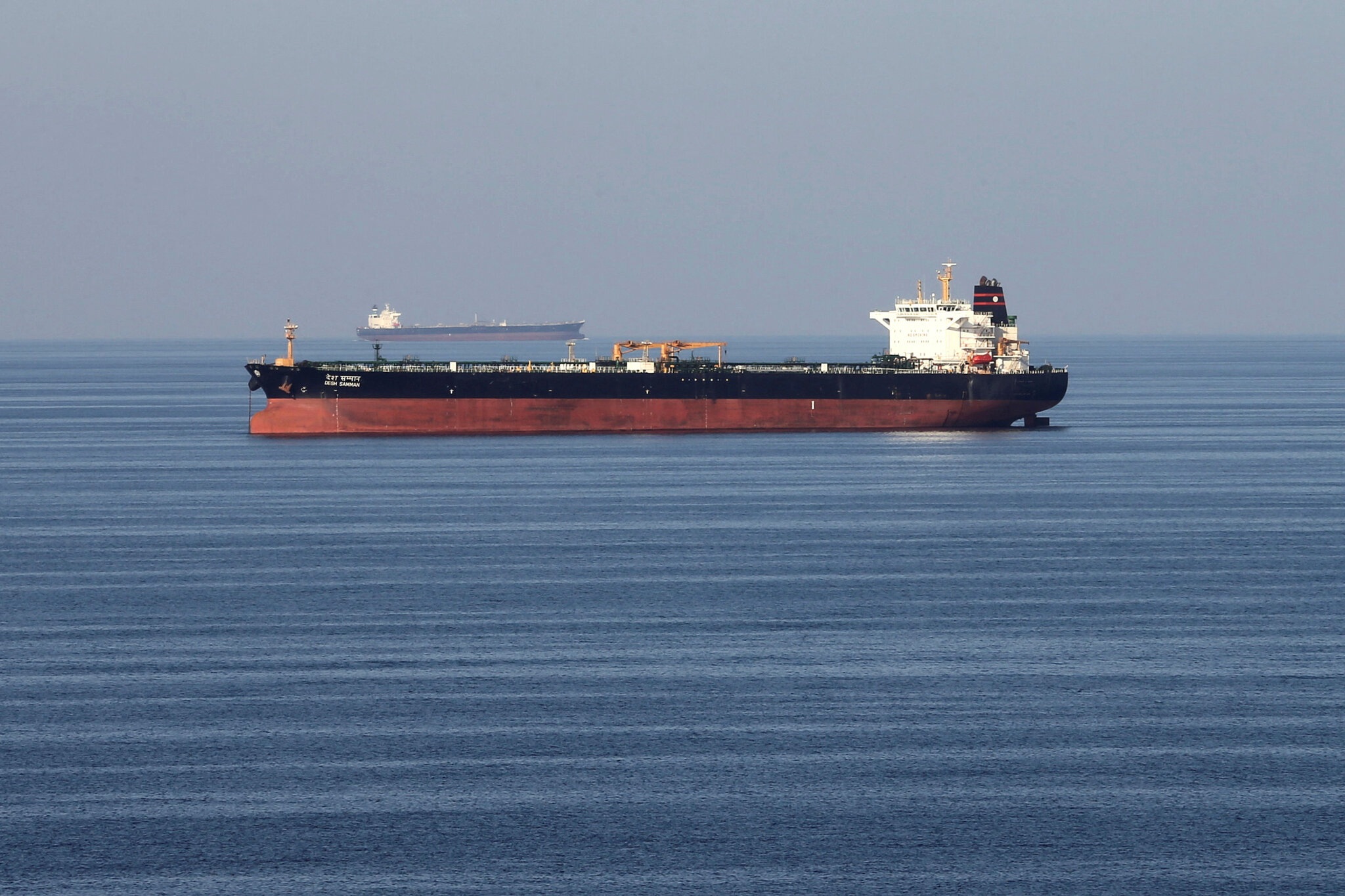
Indian Oil Corporation, India’s largest refiner, has purchased its first cargo of Colombian crude under an optional supply agreement with state-owned Ecopetrol, signaling accelerated diversification away from Russian oil as tighter Western sanctions disrupt supplies and elevate compliance risks.
IOC acquired 2 million barrels of Castilla Blend heavy sour crude for delivery in late February 2026—one very large crude carrier load—sources familiar with the transaction confirmed. The purchase activates a longstanding framework contract signed in late 2021 and renewed annually, allowing up to 12 million barrels (six VLCCs) based on mutually agreeable terms, primarily pricing competitiveness.
The move coincides with a projected plunge in India’s Russian crude imports to a three-year low of around 1.2 million barrels per day in December 2025, down from 1.84 million bpd in November, according to ship-tracking firm Kpler. Russian volumes, which peaked at over 2 million bpd earlier in the year and averaged 1.7 million bpd annually, are expected to account for only 25% of India’s total crude imports this month versus 38% in November, marking the lowest share since November 2022.
Register for Tekedia Mini-MBA edition 20 (June 8 – Sept 5, 2026).
Register for Tekedia AI in Business Masterclass.
Join Tekedia Capital Syndicate and co-invest in great global startups.
Register for Tekedia AI Lab.
Escalating Sanctions Driving The Shifts
U.S. measures effective November 21 targeted major Russian producers Rosneft and Lukoil, alongside dozens of vessels in the “shadow fleet.” EU restrictions, including a lowered price cap and bans on refined products from third-country processing of Russian crude, have heightened banking and insurance scrutiny, prompting Indian refiners—especially state-owned ones like IOC—to curtail direct purchases from sanctioned entities.
The impact of sanctions will depend on the reaction of banks and companies in China and India, the main buyers of Russian oil, accounting for 90% of Russia’s seaborne exports.
President Donald Trump’s administration imposed additional duties on Indian goods linked to Russian energy trade, contributing to caution among buyers. On August 27, 2025, the U.S. imposed a 25 percent duty on India’s Russian oil purchases on top of the 25 percent reciprocal tariffs, escalating to 50% specifically targeting India’s Russian oil trade.

Narrowing discounts on Russian Urals (now $2-4 per barrel below Brent versus $10-16 earlier) have made Middle Eastern and Latin American grades more attractive, particularly as West Asian suppliers like Saudi Arabia and UAE cut official selling prices. Urals oil discount to India has widened sharply to over $5/bbl as Indian refiners reduce Russian crude imports amid mounting US sanctions.
Colombian Castilla crude, with an API gravity of 18.8° and sulfur content of 1.97%, is a heavy sour blend of heavy crudes produced in the Llanos Basin, suitable for India’s complex refineries designed to process similar grades. Colombia’s crude exports, primarily heavy blends like Castilla and Vasconia, have averaged 324.880 thousand barrels monthly historically, with key markets in the U.S. and Asia.
This purchase marks a rare activation for IOC, which typically sources over 80% of its needs from Russia and the Middle East, as South American crudes have historically lacked a price edge due to higher freight costs from longer shipping routes.

The first Colombian lift highlights evolving economics: improved competitiveness amid sanctions-induced Russian supply fragmentation, plus strategic hedging against geopolitical risks. India emerged as the largest buyer of Russian seaborne oil, drawn by sustained discounts of $5–10 per barrel compared to Brent. These discounted imports helped India save an estimated $10 billion in forex in 2024-2025 but exposed it to U.S. reprisals.
India’s exports of refined products from Russian crude have also faced scrutiny, with bans in some markets. To mitigate, refiners increased intakes from the UAE (up 50% in 2025), Iraq, the US (83% surge in 2025), Angola, Venezuela, and Guyana. Annual Russian imports fell 18% in 2025, with Russia’s share dipping to 40-45% from over 50% peaks. Kpler data suggests Indian refiners are likely to remain opportunistic buyers of Russian crude, provided price advantages persist, and sanctions do not escalate further.
As India’s top importer, processing ~1.4 million bpd across nine refineries, IOC has ramped up spot purchases and long-term deals with non-Russian suppliers. The Ecopetrol contract, optional and volume-flexible, allows hedging without firm commitments. Similar pacts with Mexico’s Pemex and Brazil’s Petrobras remain largely untapped but could activate if Russian flows contract further.
The shift supports India’s refining sector—capacity ~5.5 million bpd, third-largest globally—and aligns with energy security goals amid volatile prices. It could encourage similar activations of dormant Latin American deals, enhancing supply resilience while navigating U.S.-India trade negotiations. However, experts warn that full diversification is gradual; Russia remained India’s top supplier in December 2025 at 1.146 million bpd, despite lower volumes caused by sanctions-related disruptions.