

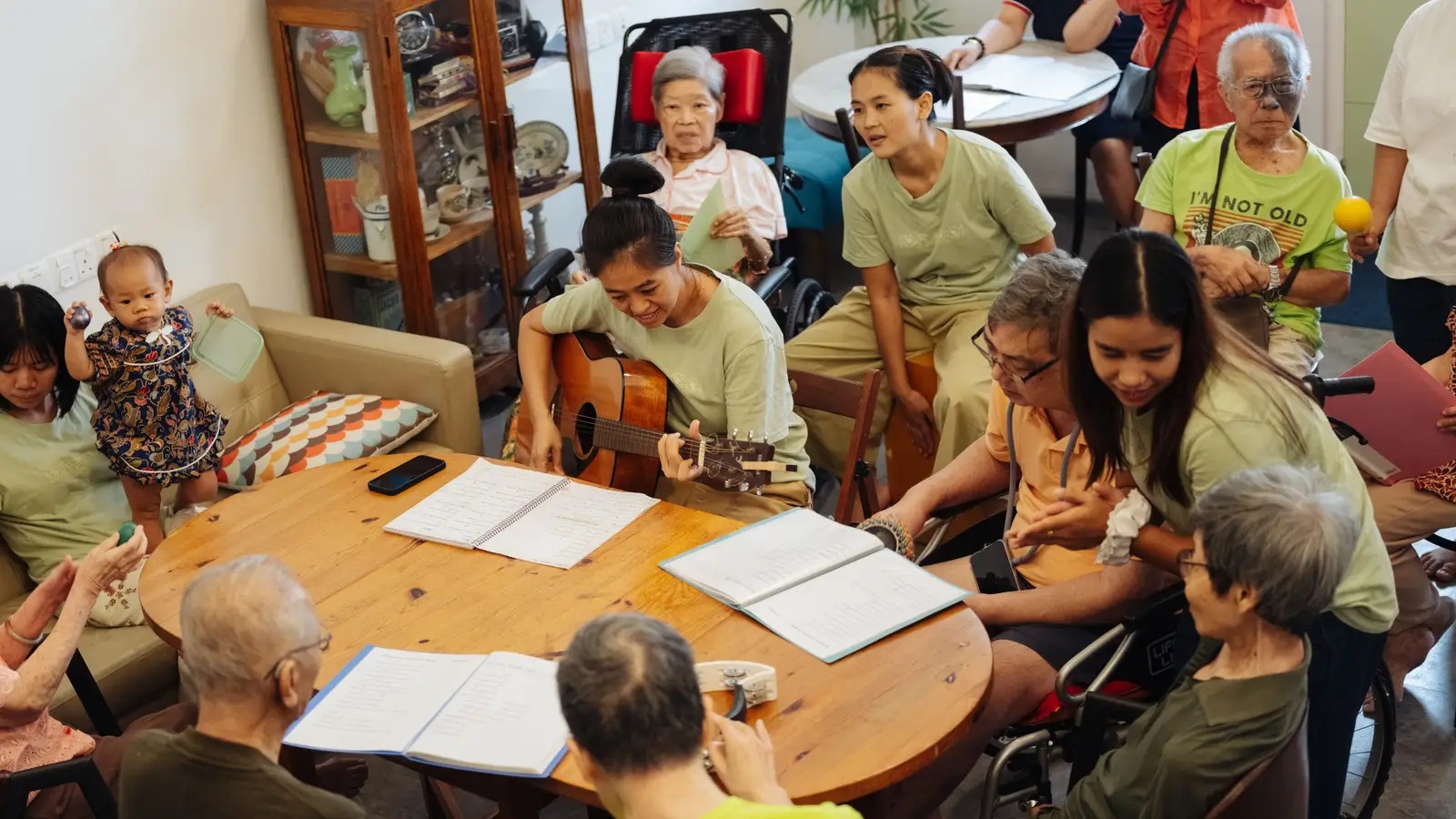
Singapore is rethinking how older adults live, age, and remain connected to society through an innovative approach that combines assisted living with an intergenerational social club.
Inside a traditional Singaporean shophouse, this concept brings together older residents and younger generations in a shared environment designed to encourage companionship, independence, and meaningful social interaction.
Rather than treating ageing as a period of isolation, the model embraces community living as an essential part of healthy and fulfilling later years. Shophouses are among Singapore’s most recognisable architectural features, known for their colourful facades, narrow layouts, and distinctive blend of historical and modern influences.
Register for the next Tekedia Mini-MBA.
Register for Tekedia AI in Business Masterclass.
Join Tekedia Capital Syndicate and co-invest in great global startups.
Traditionally used for businesses and family homes, these buildings are increasingly being adapted for contemporary purposes. Transforming one into an assisted-living space gives the building a new role while preserving its connection to Singapore’s cultural heritage. The result is an environment where traditional architecture meets changing expectations about eldercare.
At the heart of this concept is the belief that assisted living should offer more than accommodation and basic support. Older adults often need help with everyday activities, but they also need opportunities to socialise, pursue interests, and maintain a sense of belonging.
A thoughtfully designed shared environment can provide these benefits by making interaction a natural part of daily life. The intergenerational social club is particularly important. In many modern cities, older people and younger adults spend much of their time in separate social environments.

This separation can limit opportunities for friendship and understanding between generations. Bringing them together in a welcoming space creates opportunities for conversations, shared activities, and the exchange of experiences.
Younger participants can benefit from the wisdom, perspectives, and life stories of older residents, while seniors can enjoy fresh perspectives, new friendships, and greater engagement with contemporary culture.
Activities such as communal meals, creative workshops, games, discussions, and informal gatherings can help build relationships that extend beyond occasional visits. These everyday interactions can make the community feel less like a care facility and more like a shared neighbourhood.

The model reflects a broader challenge facing Singapore: a rapidly ageing population. As life expectancy rises and family structures change, demand for suitable housing and eldercare services is increasing.
Traditional arrangements, in which relatives provide most care at home, may become more difficult for some households to sustain. Innovative residential models can help address this pressure by combining practical assistance with opportunities for social connection.
However, successful assisted living requires careful planning. Residents need appropriate accessibility, privacy, safety, and professional support tailored to their needs. Shared spaces must encourage interaction without forcing participation.
Allowing older adults to choose when they want company and when they prefer solitude. Affordability is another important consideration, particularly in a city where property costs can make specialised housing expensive.
The shophouse concept offers a compelling alternative to conventional elderly care by recognising that wellbeing involves emotional and social needs as well as physical assistance. Its success depends on whether residents feel respected, comfortable, and genuinely included in community life.
As Singapore searches for sustainable ways to support its ageing population, this combination of assisted living and intergenerational connection provides an inspiring example of how urban spaces can be reimagined.
By bringing generations together under one roof, the traditional shophouse becomes more than a place to live. It becomes a setting where relationships flourish, experiences are shared, and ageing can remain an active, connected, and dignified stage of life.