

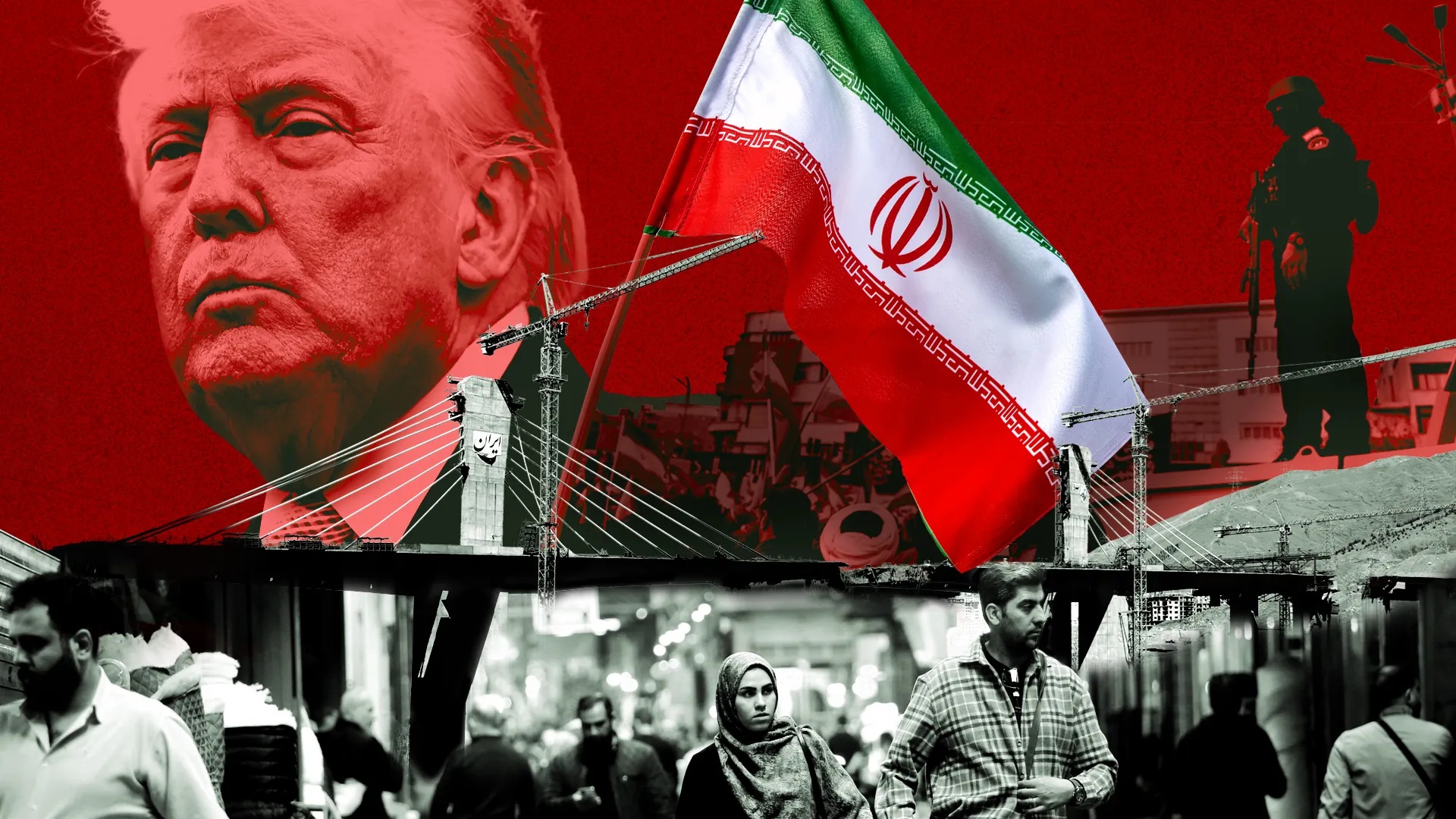
A draft memorandum of understanding between Iran and the United States has revealed the scale of concessions Tehran is seeking to formally end months of conflict and restore stability to global energy markets, even as President Donald Trump claims a major breakthrough in negotiations may be close.
According to Iran’s state-affiliated Mehr News Agency, the proposed 14-point framework includes a U.S. commitment to suspend oil sanctions and a corresponding Iranian pledge to reopen the Strait of Hormuz within 30 days of a final agreement.
The reported draft offers the clearest picture yet of what Tehran wants in exchange for restoring traffic through one of the world’s most strategically important waterways, a route that carries roughly a quarter of global seaborne oil trade and about one-fifth of global liquefied natural gas shipments.
Register for the next Tekedia Mini-MBA.
Register for Tekedia AI in Business Masterclass.
Join Tekedia Capital Syndicate and co-invest in great global startups.
Under the proposed framework, final negotiations would not formally begin until several preliminary conditions are met. These reportedly include the release of half of Iran’s frozen overseas assets, the suspension of U.S. oil sanctions, and the lifting of the naval blockade imposed during the conflict.
The document also reportedly calls for the withdrawal of all American forces from Iran and demands that the United States and its allies submit reconstruction plans worth at least $300 billion to help rebuild damage caused during the war.
The White House had not publicly commented on the reported draft as of Friday.

The development comes after President Donald Trump told reporters on Thursday that Washington had made significant progress toward ending the conflict.
“We just made a great settlement of the war with Iran,” Trump said, while cautioning that the agreement remained subject to the “finalization of documents.”
Trump also expressed confidence that maritime traffic through the Strait of Hormuz would resume quickly once an agreement is finalized.

“The Strait of Hormuz will be reopened as soon as a deal is signed,” he said.
The proposed reopening would represent a major turning point for global energy markets. Since Iran moved to close the strait following the U.S.-Israeli military campaign that began in February, oil markets have faced severe disruption. Crude prices surged above $100 per barrel, shipping costs increased sharply, and governments around the world warned about the inflationary consequences of prolonged supply disruptions.
The prospect of renewed access to the waterway immediately boosted investor sentiment.
European equities rallied strongly on Friday, with the benchmark STOXX Europe 600 gaining about 1.8%, while most major regional markets advanced roughly 2%. Energy markets moved in the opposite direction as traders priced in the possibility of restored oil flows. U.S. crude futures and Brent crude both fell sharply following reports of progress in negotiations.
The draft agreement also appears to address concerns raised by key U.S. allies in the region. Trump confirmed on Thursday that he had discussed the negotiations with Benjamin Netanyahu and other Middle Eastern leaders.
Netanyahu’s office later confirmed the conversation, noting that while Israel is not directly participating in the negotiations, the Israeli leader welcomed Trump’s assurances regarding the final structure of any agreement.
According to Netanyahu’s office, the prime minister appreciated Trump’s “commitment that the final agreement at the conclusion of the negotiations” would contain restrictions on Iran’s nuclear activities and other areas of concern.
Geopolitical analysts expect the reported draft to also strengthen Trump’s diplomatic position internationally. Since the outbreak of the conflict, Trump has repeatedly expressed frustration with what he viewed as insufficient support from some U.S. allies, particularly in Europe, arguing that Washington had carried a disproportionate share of the burden in confronting Iran and securing global energy supplies.
The European Union’s recent decision to sanction Iranian officials and units linked to disruptions in the Strait of Hormuz has already been viewed as a significant show of support for the U.S.-led effort to restore freedom of navigation. The emergence of a draft framework that could eventually reopen the strait may further reinforce Trump’s argument that international pressure helped bring Tehran to the negotiating table.
However, there are still substantial obstacles.
The demands reported by Iranian media, particularly those involving large-scale reconstruction funding, sanctions relief, and military withdrawals, are likely to face intense scrutiny in Washington and among U.S. allies. Israel has yet to publicly endorse the specific provisions reported in the draft, while negotiations over nuclear restrictions and regional security arrangements are expected to be among the most difficult issues in any final settlement.
Still, the market reaction highlights how critical a breakthrough would be for the global economy. A reopening of Hormuz would ease pressure on energy prices, improve supply chain stability, reduce inflation risks, and remove one of the most significant geopolitical threats hanging over international markets this year.