

Israel’s October 27, 2026 election comes at a moment when the country’s domestic politics and regional conflicts are unusually intertwined. The vote will determine more than who occupies the prime minister’s office.
It will influence Israel’s approach to Gaza and the West Bank, its relationships with Washington and European capitals, and its strategy toward Iran, Lebanon, Syria and Turkey. For Palestinians, the stakes are particularly significant.
The present government has accelerated settlement activity and annexation-related measures in the West Bank while maintaining a military campaign and security presence around Gaza.
Register for the next Tekedia Mini-MBA.
Register for Tekedia AI in Business Masterclass.
Join Tekedia Capital Syndicate and co-invest in great global startups.
A research assessment of the election argues that major Israeli political forces differ over the pace and institutional form of these policies, but that support for maintaining extensive security control remains widespread among leading Zionist parties.
A change of government could therefore alter the language and diplomatic framework surrounding the Palestinian issue without necessarily producing an immediate transformation on the ground.
Opposition figures including Naftali Bennett and Yair Lapid have criticised Netanyahu’s handling of Gaza, but both have maintained hard-line security positions toward Hamas. Analysts note that many opposition parties remain reluctant to make a clear commitment to a two-state settlement.

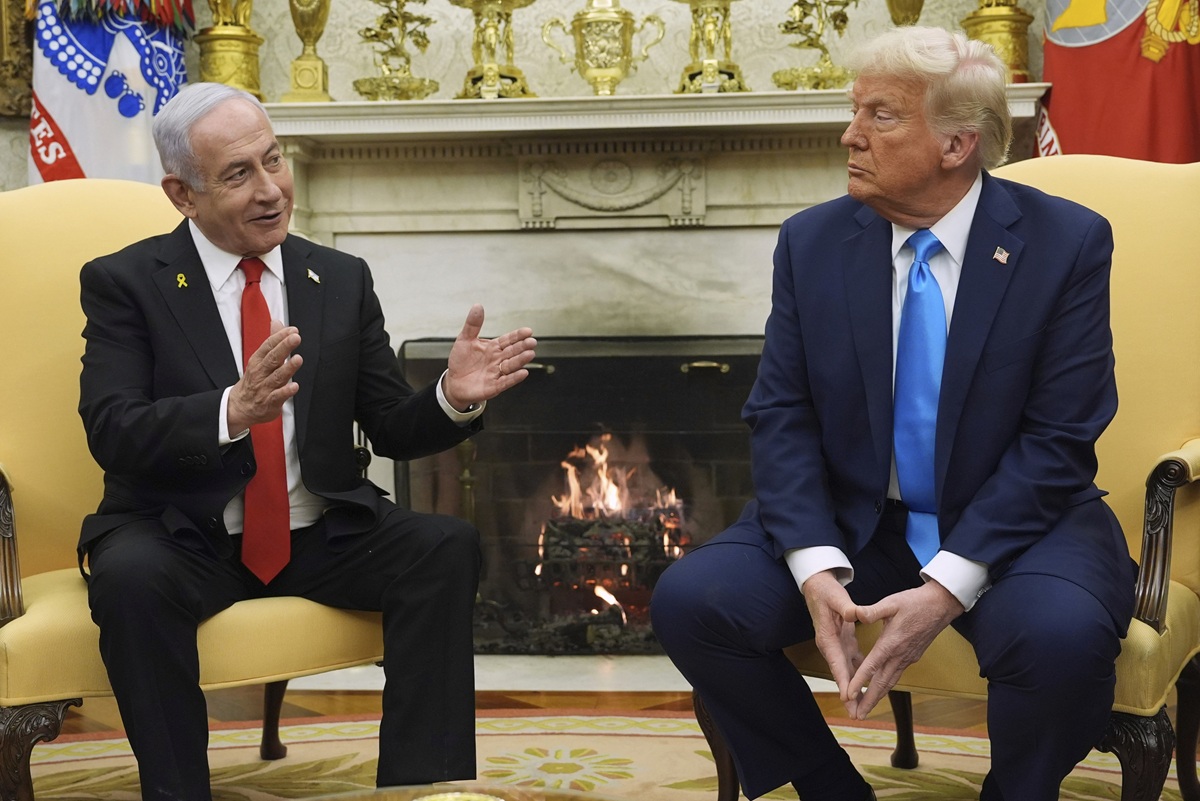
International relations are another major test. Israel’s relationship with the United States remains strategically central, but disagreements between Netanyahu and President Donald Trump over Iran and Lebanon have demonstrated that the alliance does not eliminate differences over military strategy and diplomacy.
A new Israeli government could seek a different style of engagement with Washington, potentially placing greater emphasis on coordination and diplomatic repair. Relations with Europe could also become a political priority.
Israel’s conduct of the Gaza war, settlement expansion and disputes with international institutions have contributed to growing diplomatic friction with European governments and Western publics. A government seeking to rebuild those relationships would face the difficult task of balancing international pressure against domestic security expectations.

The regional picture is equally complicated. On Lebanon, Bennett and Lapid have supported strong military measures against Hezbollah and criticised ceasefire arrangements they consider inadequate.
Their approach therefore suggests that replacing Netanyahu would not automatically mean abandoning Israel’s military posture toward Hezbollah. Syria presents another security challenge, while Turkey has become increasingly critical of Israel’s Gaza campaign.
President Recep Tayyip Erdo?an has continued calling for greater international recognition of Palestinian statehood and pressure on Israel, making relations between Ankara and Jerusalem an important diplomatic issue for any future Israeli government.
Iran may be the hardest question of all. Netanyahu and his principal opponents have broadly supported confronting Tehran, opposition leaders have argued that military power needs to be combined with diplomacy and strategic planning.
The distinction may therefore be less about whether Iran represents a security threat and more about how Israel manages escalation, deterrence and negotiations. Finally, Israel’s international standing is at stake.
Rebuilding public support abroad would require more than diplomatic messaging. It would involve decisions over Gaza, Palestinian governance, civilian protection, settlements, regional diplomacy and relations with international institutions.
The election can change the government’s direction, but restoring confidence internationally would depend on what the next government actually does after taking office.