

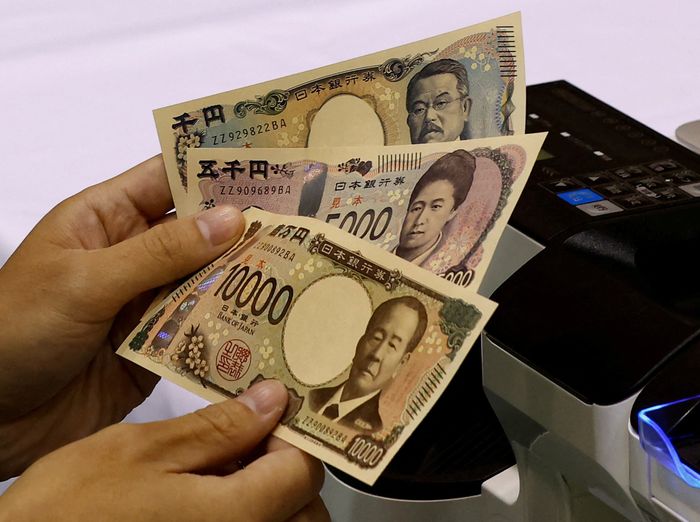
Japan’s government bond (JGB) market is experiencing a dramatic shift, with the 20-year JGB yield recently climbing to around 2.85–2.891%, marking its highest level since June 1999.
This surge—up sharply from near-zero territory just a few years ago—has reignited fears of a massive unwind in the yen carry trade, a strategy that has fueled trillions in global investments for decades.
As of early December 2025, the 10-year JGB yield has also approached 1.84–1.87%, a threshold not seen since 2008, while the 30-year yield hit a record 3.39%. These moves come amid weak demand at recent bond auctions and broader fiscal pressures, sending ripples through global markets.
Register for Tekedia Mini-MBA edition 20 (June 8 – Sept 5, 2026).
Register for Tekedia AI in Business Masterclass.
Join Tekedia Capital Syndicate and co-invest in great global startups.
Register for Tekedia AI Lab.
Japan’s government announced a stimulus package exceeding 17 trillion yen about $110 billion in November 2025, aimed at boosting public spending on defense and social security. This has heightened concerns over Japan’s ballooning debt—already the world’s highest at over 250% of GDP—pushing yields higher as investors demand compensation for long-term risks.
Bank of Japan (BoJ) Policy Normalization
The BoJ has gradually stepped back from its ultra-loose yield curve control (YCC) framework, allowing market forces to push rates up. Hints of further rate hikes have added fuel, with the 2-year yield hitting 1.02%, its highest since 2008.
A November 20-year bond auction saw the bid-to-cover ratio drop to 2.5x, the lowest in 13 years, signaling investor hesitation. The spread between average and lowest bids widened to levels not seen since 1987, exacerbating the sell-off.

Foreign investors, facing dollar shortages, are offloading long-dated JGBs as collateral in a broader liquidity crunch, rather than a purely domestic crisis. This isn’t just a Japanese story—higher JGB yields make domestic bonds more attractive, potentially luring back the $3.7 trillion in overseas assets held by Japanese institutions.
The yen carry trade has been a cornerstone of global finance since the 1990s: Investors borrow cheaply in low-yield yen often near zero and plow the funds into higher-yielding assets abroad, like U.S. tech stocks, emerging market bonds, or even cryptocurrencies.
Estimates peg the trade at $20 trillion, with Japanese inflows propping up everything from the S&P 500 to Bitcoin. Rising JGB yields erode the trade’s profitability in two ways. Yen funding becomes pricier, squeezing margins.

As capital repatriates, the yen strengthens USD/JPY has dipped toward 155 from recent highs, forcing traders to cover short yen positions. This unwind creates a feedback loop: Selling foreign assets to repay yen loans lifts global yields, triggers margin calls, and sparks volatility.
Correlation studies show a 0.55 link between yen carry reversals and S&P 500 drops, with U.S. Treasury yields potentially jumping 15–40 basis points from reduced Japanese buying. Emerging markets could see currencies weaken 1–3% within 30 days.
Historical parallels are stark—think the August 2024 “carry trade crash,” where a surprise BoJ hike caused global markets to seize up, with the Nikkei plunging 12% in a day. Today’s episode echoes that but on a larger scale, with super-long JGBs entering uncharted territory.
The unwind isn’t hypothetical; it’s already weighing on risk assets:U.S. Equities and Tech: Japanese investors hold massive stakes in Nasdaq stocks. A “sucking sound” of capital flight could hit high-growth sectors hardest, capping rallies amid already elevated valuations.
Outflows from Indian bonds and equities are likely as Japanese funds pivot home. India’s market, sensitive to global risk-off moves, could face heightened volatility. Global yields are rising in sympathy—U.S. 10-year Treasuries touched 4.09% recently—raising borrowing costs and pressuring leveraged portfolios.
Bitcoin dropped 8% in early December amid yen volatility, with altcoins following. The trade’s reversal tightens liquidity, amplifying downside. Pairs like USD/JPY, AUD/JPY, and EUR/JPY are swinging wildly, with the yen hitting 10-month lows against the euro before rebounding.
Not all views are apocalyptic—some analysts argue fears are overstated, as the yen remains weak no strong rally yet to force mass unwinds, and BoJ interventions could cap the damage. A upcoming 40-year bond auction on November 20 delayed in reports, but critical will be a key test; a bid-to-cover below 2.5x could accelerate the spiral.
Any hawkish tilt could push 10-year yields past 1.84%, tipping the unwind into overdrive. Tokyo may sell dollars to weaken the yen if it strengthens too fast, stabilizing carry trades temporarily.
Fed or ECB easing could offset some pressure, but synchronized tightening risks a broader liquidity crunch. In short, Japan’s bond market—once the “widow-maker” for its predictability—is now a global shaker.
Investors should hedge yen exposure, trim risk-on bets, and eye safe-havens like gold or short-duration bonds. This regime shift marks the end of Japan’s zero-rate era, but at the cost of short-term chaos.