

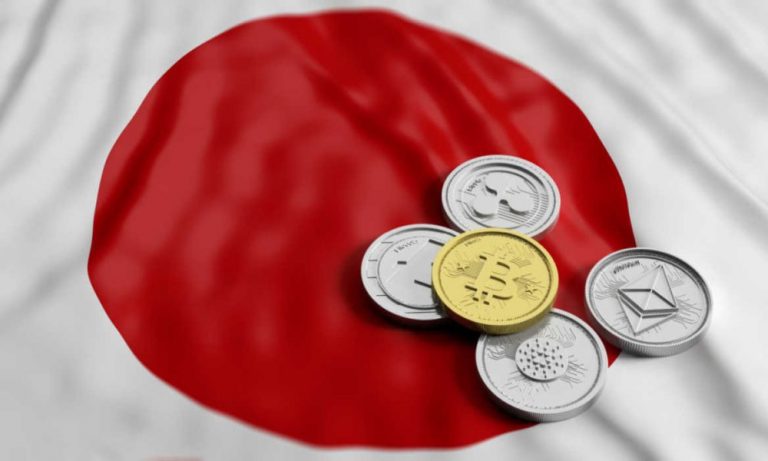
Japan’s Financial Services Agency (FSA) and its evolving stance on cryptocurrency exchanges. It’s advancing a series of reforms to integrate crypto more deeply into Japan’s financial system.
This includes enabling banks and financial institutions to acquire, hold, or operate crypto exchanges, alongside stricter security mandates for existing platforms. These moves aim to boost investor protection, reduce taxes, and treat crypto like traditional assets—potentially accelerating mainstream adoption.
The FSA is reviewing 2020 guidelines that currently prohibit banks from holding volatile assets like cryptocurrencies. If approved, banks could acquire Bitcoin (BTC) and other cryptos as investments, similar to stocks or bonds.
Register for Tekedia Mini-MBA edition 20 (June 8 – Sept 5, 2026).
Register for Tekedia AI in Business Masterclass.
Join Tekedia Capital Syndicate and co-invest in great global startups.
Register for Tekedia AI Lab.
Additionally, banking groups could register as “cryptocurrency exchange operators” to directly provide trading and custody services. This will be discussed at the Financial Services Council’s working group meeting, with potential capital and risk-management rules introduced soon after.
The shift aligns crypto regulation from the Payment Services Act to the Financial Instruments and Exchange Act (FIEA) for stronger oversight. Japan’s crypto user base has surged to over 12 million accounts up 3.5x since 2020, driven by global trends and domestic growth 120% YoY in on-chain value received through June 2025.
Allowing credible banks to enter could make crypto more accessible and secure for retail investors. This has been hailed as a “monetary structure shift,” with institutions like Nomura, SBI, and Mitsubishi UFJ exploring crypto funds and stablecoins.

Just yesterday (November 24, 2025), the FSA announced plans to require all registered crypto exchanges to maintain “liability reserve funds.” These would cover user losses from hacks, fraud, or operational failures—mirroring protections for traditional securities brokerages.
Exchanges could fund reserves via revenue shares or insurance policies. The goal is rapid compensation, avoiding scenarios like the 2018 Coincheck hack which cost $530M or a 2024 third-party breach affecting major platforms.
This ties into “securities-level standards” for platforms, including enhanced risk controls and JVCEA (Japan Virtual and Crypto Assets Exchange Association) retraining for auditors. With rising consultations on crypto scams, this bolsters trust in Japan’s 28+ licensed exchanges like BITPOINT, Coincheck.

The FSA proposes treating 105 major cryptos including BTC and ETH as “financial products” under FIEA. This would impose insider trading rules, require detailed disclosures (e.g., issuer info, volatility profiles), and enable products like investment trusts and ETFs.
Crypto gains would face a flat 20% tax rate down from the current 55% miscellaneous income bracket, making Japan more competitive globally. The package heads to parliament in 2026, potentially approving yen-backed stablecoins by then from Mitsubishi UFJ or Monex Group.
Banks barred from holding crypto. Allowed to acquire/hold BTC; operate exchanges. Wider access via trusted institutions; volatility risks to banks. Self-regulated via JVCEA; past hacks. Faster user compensation; higher compliance costs for exchanges. Boosts retail participation; revenue loss for govt ~¥100B est.
Institutional inflows; over-regulation fears. These reforms position Japan as a crypto leader, blending innovation with caution—especially after high-profile breaches. Six major asset managers (e.g., Nomura, Sumitomo Mitsui) are already prepping BTC/ETH funds, signaling institutional buy-in.
On X, reactions are bullish: users call it a “neon-lit revolution” for adoption, with posts highlighting the tax slash as “extremely bullish.”