

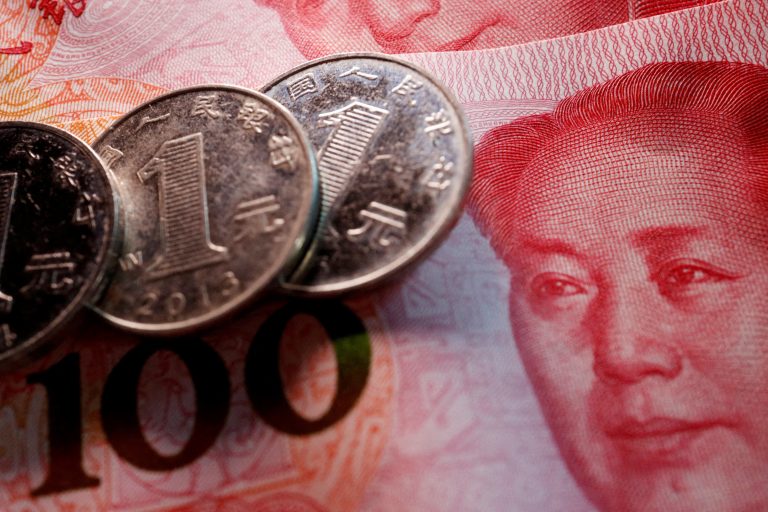
The Japanese yen has fallen to one of its weakest levels in four decades, marking a significant moment for the world’s third-largest economy and sending ripples across global financial markets.
The currency’s prolonged decline reflects a combination of domestic monetary policy, widening interest rate differences with other major economies, and changing investor sentiment. While a weaker yen can provide benefits for exporters, it also creates serious challenges for consumers, businesses, and policymakers attempting to balance economic growth with price stability.
One of the primary reasons behind the yen’s weakness is the divergence between Japan’s monetary policy and those of other major central banks. For years, the Bank of Japan maintained ultra-low interest rates to stimulate economic activity and combat persistent deflation.
Meanwhile, central banks such as the U.S. Federal Reserve and the European Central Bank raised interest rates aggressively to curb inflation. Higher interest rates abroad attracted global investors seeking better returns, increasing demand for currencies like the U.S. dollar while reducing demand for the yen.
Register for the next Tekedia Mini-MBA.
Register for Tekedia AI in Business Masterclass.
Join Tekedia Capital Syndicate and co-invest in great global startups.
The widening interest rate gap has encouraged what is known as the carry trade, where investors borrow cheaply in yen and invest in higher-yielding assets elsewhere. This strategy has further weakened the Japanese currency as more yen are sold in foreign exchange markets.
Although the Bank of Japan has gradually adjusted its monetary policy, those changes have been relatively modest compared to the tightening measures adopted by other central banks. A weaker yen has mixed consequences for Japan’s economy.
On the positive side, it enhances the competitiveness of Japanese exports by making products such as automobiles, electronics, and industrial machinery more affordable for overseas buyers. Major multinational corporations often report stronger overseas earnings when those profits are converted back into yen, boosting corporate revenues and supporting stock market performance.

However, the disadvantages have become increasingly evident. Japan relies heavily on imports for energy, food, and raw materials. As the yen loses value, these imports become more expensive, raising costs for businesses and consumers alike.
Higher import prices contribute to inflation, reducing household purchasing power and placing additional financial pressure on families already coping with rising living expenses. The tourism sector has emerged as one of the biggest beneficiaries of the weaker currency.
International visitors find Japan significantly more affordable, leading to record-breaking tourist arrivals and increased spending in hotels, restaurants, retail stores, and cultural attractions. This surge has provided an important boost to local economies and businesses recovering from the pandemic.

The benefits of tourism do not fully offset the broader economic challenges posed by a persistently weak currency. Financial markets have closely monitored the Japanese government’s response. Authorities have occasionally intervened in foreign exchange markets by purchasing yen to slow its decline.
While such interventions may provide temporary support, they often have limited long-term effectiveness unless accompanied by broader shifts in monetary policy or global economic conditions. Investors continue to watch for signals from the Bank of Japan regarding future interest rate decisions and policy adjustments.
The yen’s decline also carries implications beyond Japan. Currency movements influence international trade, corporate profits, investment flows, and inflation across global markets. Countries competing with Japanese exporters may experience increased competitive pressure.
While multinational companies with significant operations in Japan must carefully manage exchange rate risks. The future of the yen will depend on several factors, including Japan’s economic growth, inflation trends, central bank policy decisions, and the direction of global interest rates.
If the gap between Japanese and overseas interest rates narrows, the yen could regain some strength. Until then, the currency’s historic weakness serves as a reminder of how interconnected monetary policy, global capital flows, and exchange rates have become in today’s international financial system.