

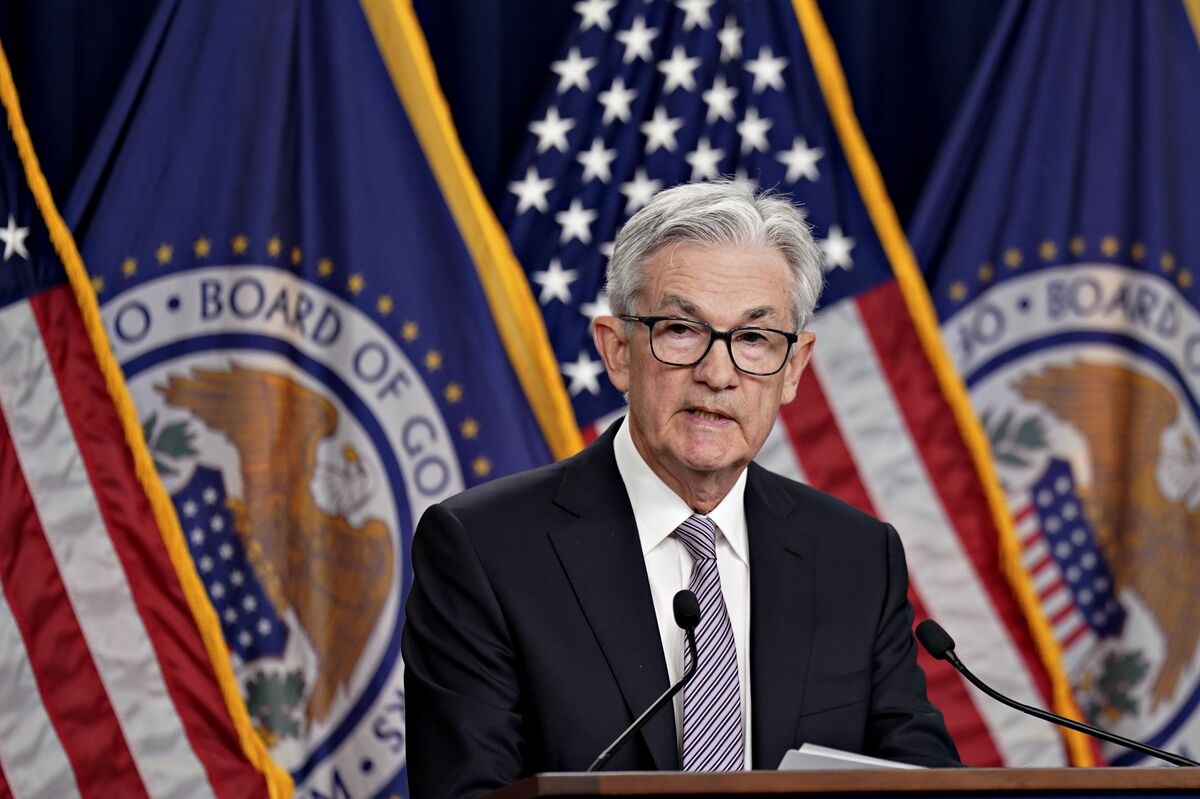
Federal Reserve Chair Jerome Powell acknowledged on Wednesday that artificial intelligence is already upending the U.S. workforce, though he cautioned it is still difficult to determine the scale of its impact.
“I think my view, which is also a bit of a guess, but widely shared, I think, is that you are seeing some effects but it’s not the main thing driving it,” Powell told reporters during a press conference following the conclusion of the Fed’s September policy meeting.
Powell pointed to early signs of AI’s influence on the job market for younger workers, especially recent college graduates.
Register for Tekedia Mini-MBA edition 20 (June 8 – Sept 5, 2026).
Register for Tekedia AI in Business Masterclass.
Join Tekedia Capital Syndicate and co-invest in great global startups.
Register for Tekedia AI Lab.
“It may be that companies or other institutions that have been hiring younger people right out of college are able to use AI more than they had in the past,” he said. “That may be part of the story. It’s also part of the story, though, that job creation more broadly has slowed down.”
While downplaying AI as the sole driver of labor market changes, Powell’s remarks mark one of the most high-profile acknowledgments yet from a U.S. policymaker that the technology is beginning to reshape hiring and employment patterns.
Divided Views Among Business Leaders
Powell’s comments come amid an intensifying debate among CEOs and economists about the speed and severity of AI-driven job displacement.

Anthropic CEO Dario Amodei sparked controversy earlier this summer by predicting that AI could eliminate half of all entry-level white-collar jobs within one to five years. Ford CEO Jim Farley has voiced similar concerns about AI’s disruptive force on employment.
Others have pushed back against such stark forecasts. Nvidia CEO Jensen Huang, whose company is at the center of the AI revolution, has argued that AI will not wipe out jobs but rather create new ones by boosting productivity and giving workers new tools. Huang has described AI as “a tool for everyone” that will allow people to do more, not less.
OpenAI CEO Sam Altman has also urged caution against alarmist timelines, questioning Amodei’s predictions. At a Federal Reserve conference earlier this summer, Altman acknowledged AI’s power but suggested the technology may augment human productivity as much as it replaces jobs.

Even so, more corporate leaders and analysts lean toward the view that AI will have a heavy impact on job security. Already, some companies including JPMorgan and Klarna, have cited AI as a reason for reducing headcount, saying automation is allowing them to streamline operations.
Powell’s Previous Warnings
The Fed chair has not shied away from the broader implications of AI. In testimony before the Senate Banking Committee in June, Powell told lawmakers the technology could “make really significant changes in the economy, in the labor force.”
“It can either augment people’s productivity, or it can replace people, or it can do a little bit of both. But it’s going to be something,” he said at the time.
Balancing Risks and Productivity Gains
The split among business leaders reflects the uncertainty facing policymakers like Powell. Economists have long warned that technological shocks can be uneven, benefiting productivity and corporate profits while leaving displaced workers struggling to adjust.
Powell’s remarks on Wednesday suggest he sees AI as one of several forces weighing on the labor market, but not yet the primary driver. Still, his decision to address the issue at length underscores that the Fed is taking seriously the possibility that AI could accelerate structural changes in employment — and that those changes may complicate the central bank’s job of balancing inflation and growth in the years ahead.