

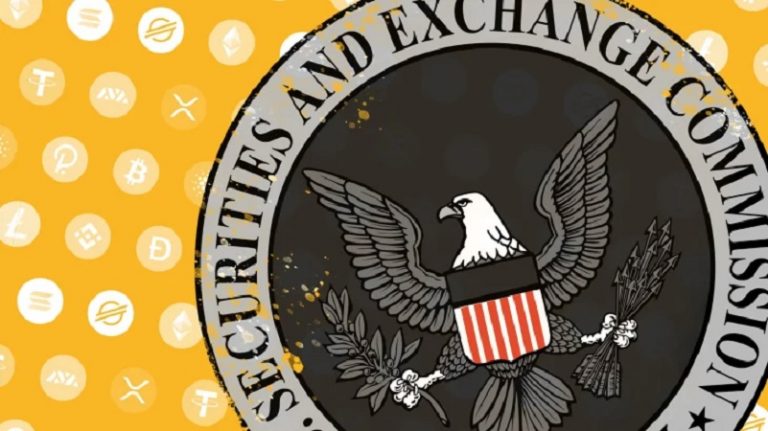
Chinese cryptocurrency entrepreneur Justin Sun has agreed to pay $10 million to settle a civil fraud case brought by the U.S. Securities and Exchange Commission, drawing a close to a high-profile enforcement action that underscored Washington’s shifting approach toward the digital asset industry.
The settlement, disclosed Thursday in a letter filed in federal court in Manhattan, still requires approval from Edgardo Ramos. The payment will be made by one of Sun’s affiliated companies. Under the terms of the deal, Sun and the entities named in the lawsuit neither admitted nor denied wrongdoing.
The case, first filed in March 2023, accused Sun and several companies tied to him — including Tron Foundation, BitTorrent Foundation, and Rainberry — of orchestrating a scheme to illegally distribute cryptocurrency tokens and manipulate market activity.
Register for Tekedia Mini-MBA edition 20 (June 8 – Sept 5, 2026).
Register for Tekedia AI in Business Masterclass.
Join Tekedia Capital Syndicate and co-invest in great global startups.
Register for Tekedia AI Lab.
Regulators alleged that Sun generated roughly $31 million in illicit proceeds through what the SEC described as extensive wash trading. According to the complaint, Sun directed employees to carry out hundreds of thousands of trades involving the tronix token between accounts he controlled, creating a misleading impression of genuine investor demand and trading volume.
The agency also accused Sun of secretly paying celebrities to promote the Tronix and bittorrent tokens on social media while failing to disclose the financial arrangements to investors.
Among the personalities cited in the complaint were actress Lindsay Lohan, singers Akon and Ne-Yo, and internet personality Jake Paul. The SEC said their endorsements helped drive retail investor interest in the tokens without revealing that the posts were paid promotions.

Sun welcomed the settlement, describing it as the end of a prolonged legal dispute.
“I am pleased to confirm that the SEC has moved to dismiss all claims against me, Tron Foundation and BitTorrent Foundation,” Sun said in a statement posted on X. “Today’s resolution brings closure.”
The resolution comes at a moment when U.S. cryptocurrency regulation is undergoing a noticeable recalibration. The case was originally pursued during the tenure of former SEC Chair Gary Gensler, whose aggressive enforcement strategy against digital asset firms drew sustained opposition from the crypto industry.

In February 2025, shortly after Donald Trump returned to the White House, the SEC placed the case on hold to explore a negotiated settlement. Trump has repeatedly pledged to make the United States the world’s leading hub for cryptocurrency innovation, a position that has encouraged expectations of lighter-touch regulation compared with the previous administration.
Sun’s growing ties to the U.S. political landscape have also attracted scrutiny. The entrepreneur has emerged as one of the most prominent buyers of the World Liberty Financial cryptocurrency token, a digital asset project in which Trump holds a partial ownership stake.
That connection has fueled criticism among some lawmakers, who argue the case settlement raises questions about regulatory independence.
Elizabeth Warren, the top Democrat on the Senate Banking Committee, condemned the agreement in a sharply worded statement.
“The SEC should not be a lap dog for Trump’s billionaire buddies,” Warren said.
The White House rejected that characterization. Spokeswoman Taylor Rogers said the administration’s policies toward the cryptocurrency industry are designed to strengthen economic competitiveness.
“The President is and always has been motivated solely by what is best for the American people,” Rogers said.
Beyond the legal resolution, the case highlights broader tensions between regulators and the rapidly expanding digital asset sector. Over the past several years, the SEC has pursued multiple enforcement actions targeting what it says are unregistered securities offerings, undisclosed promotions, and market manipulation within cryptocurrency markets.
Industry leaders, however, have argued that the absence of clear legislative frameworks has forced regulators to rely heavily on lawsuits, creating uncertainty for companies and investors alike.
Sun’s settlement removes a major legal overhang for the Tron ecosystem and its associated tokens. Analysts say the outcome may also signal a more pragmatic phase in U.S. crypto regulation, where negotiated settlements and policy reforms increasingly replace the sweeping enforcement actions that characterized the earlier years of the industry’s clash with federal regulators.